How Gait Analysis Helps with Postural Correction and Joint Health explores targeted strategies for recovery. Discover new paths to mobility, healing, and personalized care.

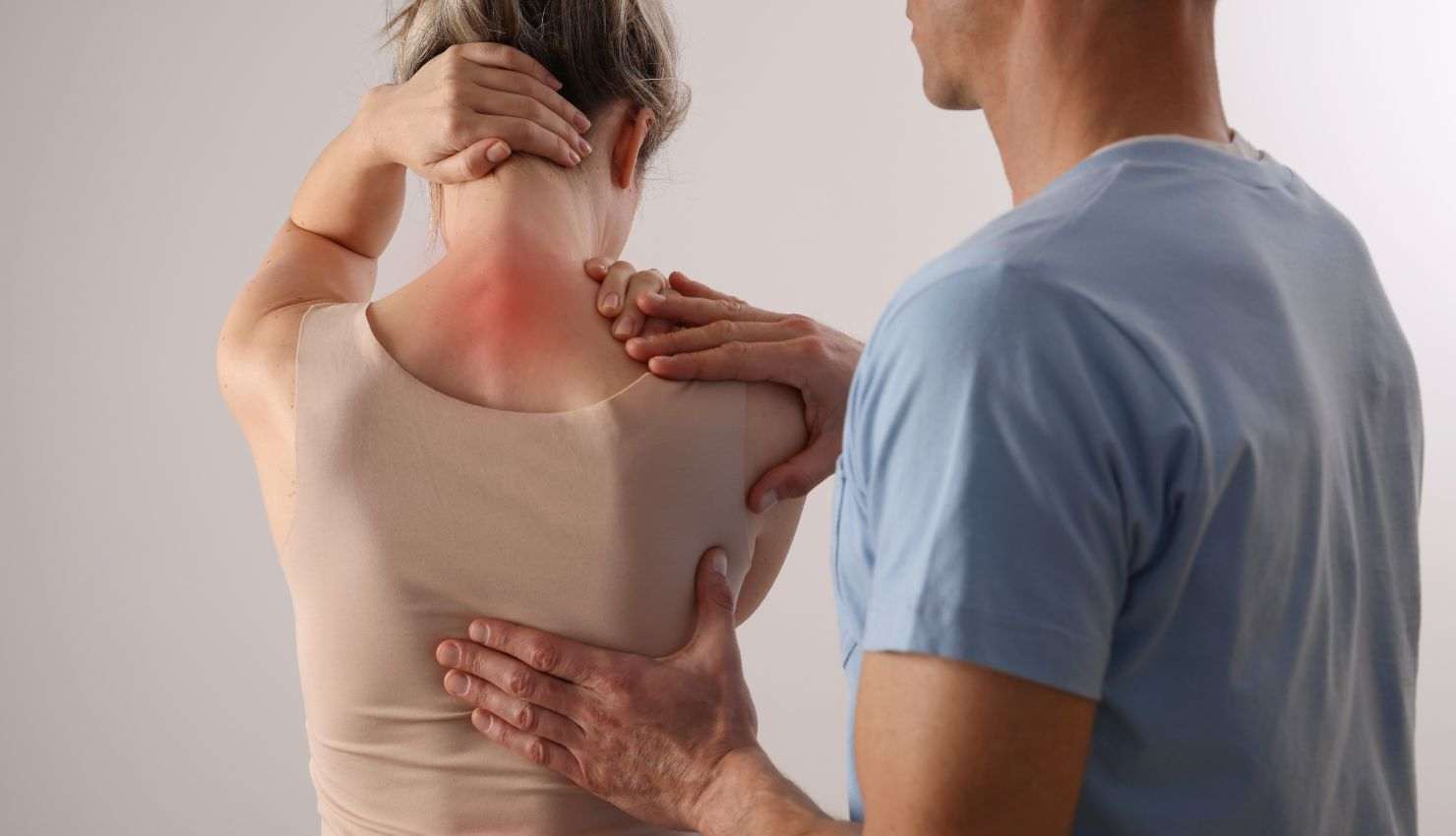
Posture and joint health are two pillars of physical well-being. Poor posture often leads to pain, stiffness, and joint dysfunction, while healthy posture supports efficient movement, reduces fatigue, and lowers the risk of chronic musculoskeletal conditions. One of the most powerful tools for identifying and correcting postural imbalances is gait analysis. By examining the way a person walks, gait analysis offers deep insights into movement patterns that directly impact posture and joint alignment.
What Is Gait Analysis?
Gait analysis is a biomechanical evaluation of how a person walks or runs. Using visual observation, video capture, pressure sensors, and sometimes 3D motion tracking, gait analysis allows physiotherapists to assess:
Step length and symmetry
Foot strike pattern
Knee, hip, and pelvis movement
Arm swing and trunk rotation
Weight distribution and timing
This full-body assessment highlights how posture, balance, and alignment are maintained or disrupted during motion, revealing inefficiencies that often go unnoticed in everyday life.
The Connection Between Gait and Posture
Walking is a repetitive activity that reflects and reinforces our habitual postures. If someone has tight hips, weak core muscles, or imbalanced foot positioning, these issues will show up in their gait. Over time, poor walking mechanics can:
Shift body weight unevenly
Create muscular imbalances
Place stress on joints
Contribute to slouching, forward head posture, or pelvic tilt
By evaluating gait, physiotherapists can pinpoint these postural faults and determine whether they originate in the feet, knees, hips, or upper body.
Correcting Posture Through Gait Analysis
Once issues are identified, gait analysis becomes the foundation for a targeted postural correction plan. This often includes:
Movement retraining: Teaching the body to move with correct alignment
Muscle activation: Strengthening underused muscles that support posture
Stretching routines: Releasing tight structures that pull the body out of alignment
Manual therapy: Addressing joint restrictions that affect walking patterns
Because gait analysis reflects dynamic posturenot just how someone stands stillit provides a more accurate picture of how the body functions in real-life activities.
Enhancing Joint Health with Gait Optimization
Every joint in the lower bodyfrom the ankle to the spineis affected by the way we walk. If the foot rolls inward (overpronation), it can torque the knee. If the pelvis isnt stable, it can cause compensatory movement in the lumbar spine. Over time, these repetitive stresses contribute to joint degeneration, inflammation, and pain.
By realigning the gait pattern, physiotherapists can protect joint integrity and restore natural loading forces. For example:
Knees benefit from even weight distribution and better patellar tracking
Hips move more efficiently when muscle imbalances are addressed
Spine maintains its natural curves with better pelvic alignment
Optimized gait mechanics ensure that joints share the workload instead of one area absorbing excess strain.
Role of Gait Analysis in Preventing Injury
Postural issues often go unnoticed until they result in injurywhether its a herniated disc, knee osteoarthritis, or a chronic strain. Gait analysis allows for early detection of movement dysfunction before pain develops. This makes it a proactive tool not just for treatment, but for injury prevention.
By identifying and correcting postural flaws early, individuals can avoid:
Joint overuse and cartilage wear
Repetitive strain injuries
Muscle fatigue and compensation patterns
Loss of flexibility and range of motion
Who Can Benefit from Gait-Based Postural Correction?
Gait analysis isnt just for athletes or individuals with existing pain. Its valuable for:
Office workers with sedentary habits
Seniors at risk of falls or joint stiffness
Youths with developing movement patterns
Post-surgery patients adjusting their walking
People with scoliosis, flat feet, or leg length discrepancies
Whether the goal is to improve athletic performance, maintain mobility, or reduce chronic discomfort, gait analysis offers a clear roadmap to better posture and joint health.
Integrating Orthotics for Structural Support
In some cases, poor posture and joint stress originate in the feet. When structural imbalances like flat feet or high arches affect gait, custom orthotics can be a powerful corrective tool. Orthotics support foot alignment, improve shock absorption, and restore balance throughout the kinetic chain.
At Your Form Sux, orthotics are often recommended alongside physiotherapy to support long-term postural correction and joint preservation.
Long-Term Outcomes of Gait-Based Therapy
People who undergo gait analysis and postural retraining often report:
Improved posture during walking, sitting, and standing
Reduced joint pain and inflammation
Greater energy and endurance during daily activities
Fewer injuries and better recovery
Increased body awareness and balance
Because posture affects everything from circulation to digestion, optimizing how you move can also have broader health benefits.
Your Next Step to Better Posture
If you’re dealing with chronic discomfort, uneven wear on your shoes, or just want to improve the way you move, a gait assessment may be the missing link. At Your Form Sux, our movement experts combine science-backed gait analysis with individualized therapy to help you walk taller, feel stronger, and live pain-free.
You dont have to accept poor posture and joint strain as inevitable. With the right tools and expert support, you can reclaim control over your bodys mechanics and build a healthier, more balanced life from the ground up.