How Gait Analysis Improves Your Walking Mechanics for Better Posture explores targeted strategies for recovery. Discover new paths to mobility, healing, and personalized care.

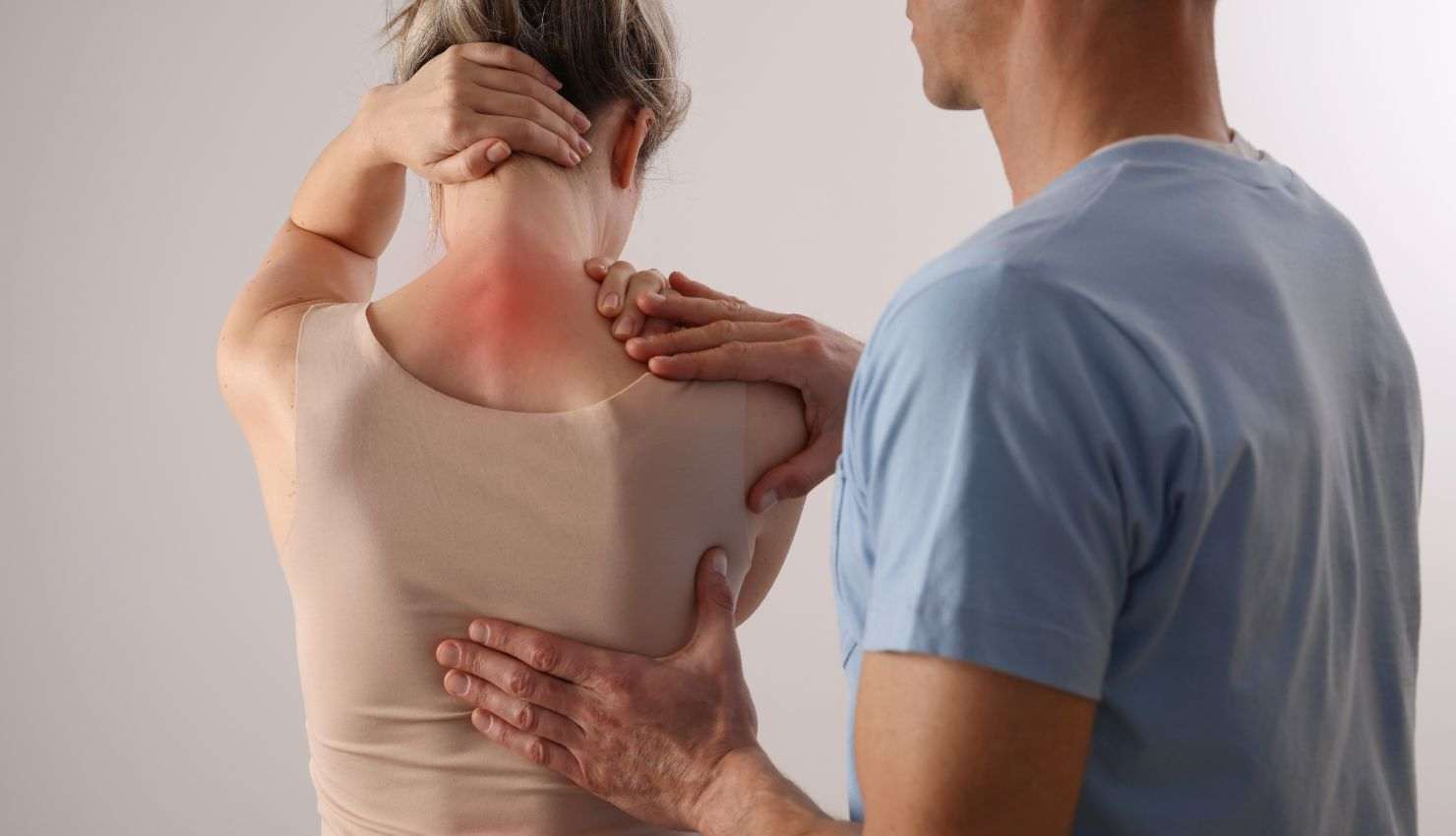
Posture and walking mechanics are deeply connected. How you walk affects the alignment of your spine, the balance of your muscles, and the load placed on your joints. If youve ever struggled with poor posture, chronic back pain, or joint strain, it may be time to evaluate your gait. Gait analysis is a precise method of studying your movement patterns to identify and correct imbalances that may be compromising your posture. At Your Form Sux (YFS), we use gait analysis as a core tool in physiotherapy to help you move better, feel better, and stand taller.
What Are Walking Mechanics?
Walking mechanics refer to how your body moves through each step. This includes the way your foot lands, how your knees and hips align, and the rhythm and cadence of your stride. Ideally, walking should be fluid, symmetrical, and efficient. However, most people unknowingly develop faulty walking habits due to injury, sedentary lifestyles, muscular imbalances, or structural issues like flat feet or leg length discrepancies.
These mechanics directly influence your posture. When you walk with an uneven stride, roll your foot inward, or compensate for weakness in one leg, your entire body adjusts to maintain balanceoften at the cost of good alignment.
What Is Gait Analysis?
Gait analysis is the process of assessing how you walk and move in detail. At YFS, we use video recordings, pressure-sensitive walkways, and physical assessments to observe joint angles, weight distribution, and muscle engagement during movement. This allows us to detect subtle abnormalities in your gait that may be contributing to postural imbalances or pain.
Our trained physiotherapists use this data to design a targeted plan that improves walking mechanics, posture, and overall movement quality.
The Connection Between Gait and Posture
Your body is a chain of interconnected segments. When one part is misaligned, the rest of the body compensates. Poor walking mechanics can lead to:
Forward head posture from poor pelvic positioning
Rounded shoulders due to imbalance in trunk rotation
Hip misalignment from overpronation or foot instability
Lumbar spine compression from uneven stride length
Chronic muscle tightness or weakness
These small inefficiencies build up over time, resulting in chronic pain, tension, or fatigue. Gait analysis identifies where these issues begin and provides a strategy to correct them at the source.
How Gait Analysis Improves Posture
1. Identifies Asymmetries:
Many posture issues stem from uneven movementone foot may strike harder, or one leg may overcompensate. Gait analysis reveals these imbalances so they can be corrected before they affect your spine and shoulders.
2. Corrects Alignment from the Ground Up:
If your feet arent supporting your body properly, your entire posture suffers. By analyzing and adjusting foot mechanics, we help reset the alignment of the knees, hips, and spine.
3. Promotes Efficient Muscle Use:
Poor walking mechanics often cause overuse of certain muscles while underutilizing others. Gait analysis helps rebalance this usage, relieving tension in overworked areas and activating underused ones.
4. Encourages Better Movement Habits:
Many people develop bad posture simply because theyve never been taught how to walk efficiently. Gait retraining helps instill healthy movement habits that improve not only how you walk, but how you stand and sit as well.
What Happens After Gait Analysis?
At YFS, your gait analysis is followed by a personalized physiotherapy plan. Depending on your assessment results, this may include:
Targeted strengthening or stretching exercises
Mobility work for stiff joints
Postural correction routines
Manual therapy to release tight muscles
Gait retraining drills to build new movement patterns
For many clients, we also recommend custom orthotics to provide the right structural support in the feet, which can significantly improve walking posture and balance.
Who Should Get a Gait Analysis?
Gait analysis is valuable for anyone dealing with:
Poor posture or spinal discomfort
Uneven walking patterns
Chronic lower back, hip, or foot pain
Recurrent injuries from walking or running
A desire to improve movement efficiency and body alignment
Even if you dont experience pain, gait analysis can offer valuable insight into how your body moves and how to preserve long-term mobility and posture.
Long-Term Benefits for Your Spine and Joints
Walking with proper mechanics doesnt just improve your postureit also reduces the load on your joints. When your body is aligned, every step becomes more efficient, reducing wear and tear on the knees, hips, and spine. Over time, this leads to:
Reduced joint pain
Improved balance and stability
Decreased risk of falls or injury
Enhanced muscular coordination
Better energy use and less fatigue
Realign the Way You Move
If youve been working on improving your posture without seeing results, it might be time to look at your gait. How you walk affects every aspect of your movementand gait analysis can be the key to unlocking more upright, pain-free posture. At Your Form Sux, we help you retrain your gait, support your alignment, and build movement patterns that support long-term spinal health.
Stand taller. Walk better. Move with confidence.