How Joint Mobility Helps Support Full-Body Wellness and Function explores targeted strategies for recovery. Discover new paths to mobility, healing, and personalized care.

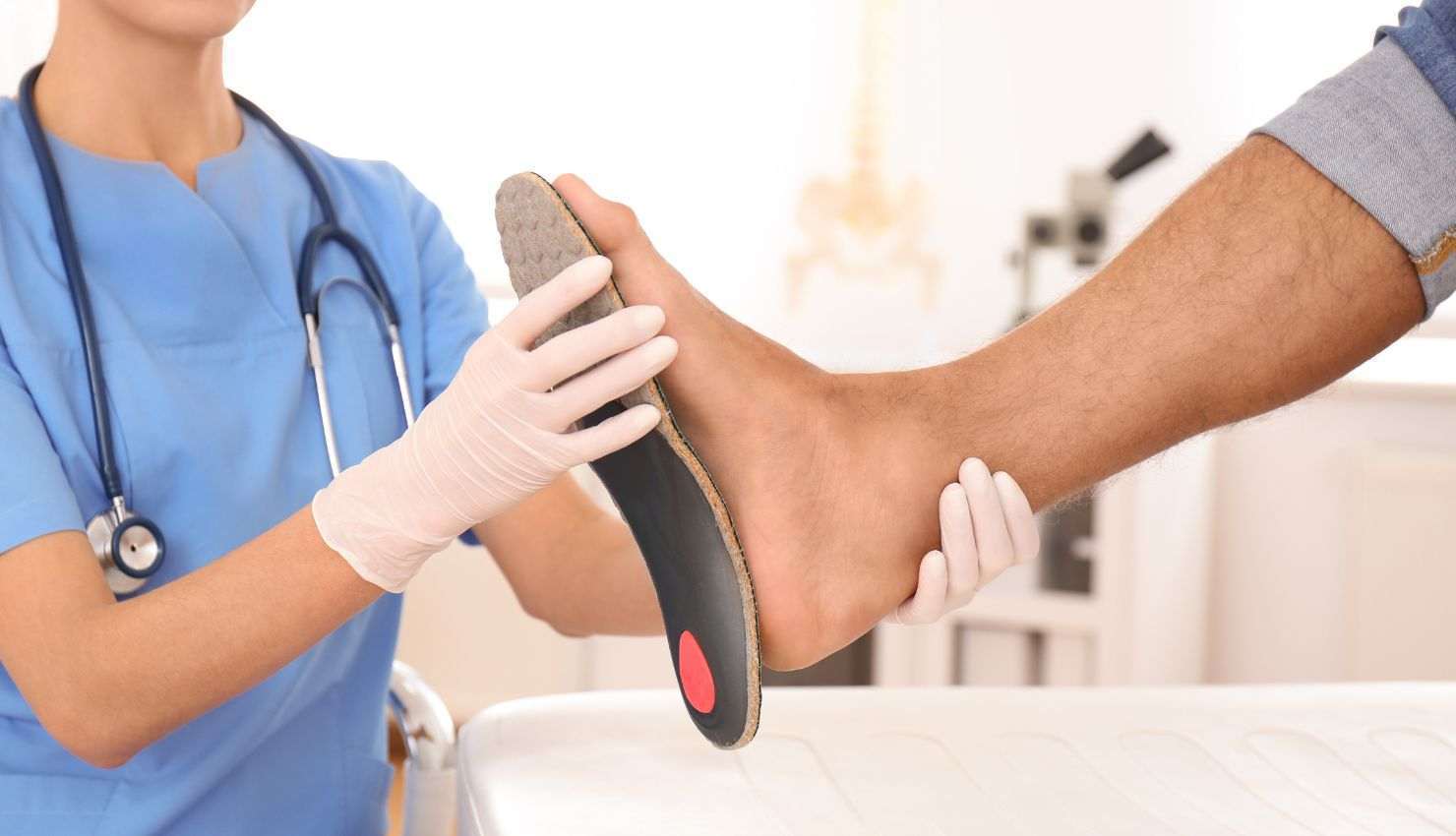
Joint mobility is often seen simply as the ability to move freely, but its impact on full-body wellness and function goes far beyond. Healthy joint mobility is a cornerstone of overall physical health, influencing everything from posture and movement efficiency to pain prevention and mental wellbeing. Maintaining and optimizing joint mobility supports not only localized joint health but also the interconnected systems that keep the body functioning harmoniously.
In this blog, we explore how joint mobility contributes to full-body wellness, the consequences of limited mobility, and how physiotherapy can help you maintain optimal joint function for a healthier, more active life.
The Connection Between Joint Mobility and Full-Body Function
Joints are the hinges and pivots that enable movement and provide structural support. When joints move smoothly through their full range of motion, the body can perform complex movements with ease and balance. Joint mobility affects:
Muscular balance and strength: Mobile joints allow muscles to contract and stretch appropriately, preventing imbalances and overuse injuries.
Posture and alignment: Proper joint function supports correct alignment, reducing strain on muscles and ligaments.
Nervous system function: Joint movement stimulates sensory receptors that communicate with the brain, aiding coordination and balance.
Circulation and lymphatic flow: Movement facilitated by joint mobility enhances blood flow, nutrient delivery, and waste removal.
The Impact of Restricted Joint Mobility
Limited joint mobility can have widespread effects, including:
Muscle stiffness and pain: Restricted movement forces muscles to compensate, leading to tension and discomfort.
Poor posture and movement patterns: Joints that dont move properly contribute to compensatory mechanics that increase injury risk.
Reduced balance and coordination: Impaired joint signals affect nervous system input, leading to instability and falls.
Chronic pain and inflammation: Immobility can contribute to joint degeneration and systemic inflammation, affecting overall health.
How Physiotherapy Supports Joint Mobility for Whole-Body Wellness
Physiotherapy focuses on restoring and optimizing joint mobility through:
Manual therapy: Mobilizations and soft tissue techniques that improve joint movement and reduce stiffness.
Targeted exercises: Stretching and strengthening programs designed to enhance joint flexibility and support.
Neuromuscular training: Retraining coordination and balance to ensure joints and muscles work harmoniously.
Postural correction: Addressing alignment to prevent compensatory patterns that limit joint function.
Lifestyle Practices to Maintain Joint Mobility and Wellness
Engage in regular physical activity incorporating stretching and mobility drills
Maintain a balanced diet rich in nutrients supporting joint health
Practice good ergonomics and posture during daily tasks
Stay hydrated and prioritize restful sleep for tissue repair
Avoid prolonged sedentary behavior and incorporate movement breaks
How YourFormSux Helps You Achieve Full-Body Wellness Through Joint Mobility
At YourFormSux, our physiotherapists design personalized plans that address joint mobility within the context of whole-body wellness. We help you regain movement freedom, reduce pain, and improve function so you can live an active, balanced life.
Our comprehensive approach ensures that improved joint mobility translates into better posture, strength, and overall wellbeing.
Conclusion: Prioritize Joint Mobility for Holistic Health
Joint mobility is a foundational element of full-body wellness and function. By maintaining healthy, mobile joints through physiotherapy and lifestyle choices, you support your bodys natural ability to move, heal, and thrive.