How Joint Mobility Improves Flexibility and Reduces Tightness explores targeted strategies for recovery. Discover new paths to mobility, healing, and personalized care.

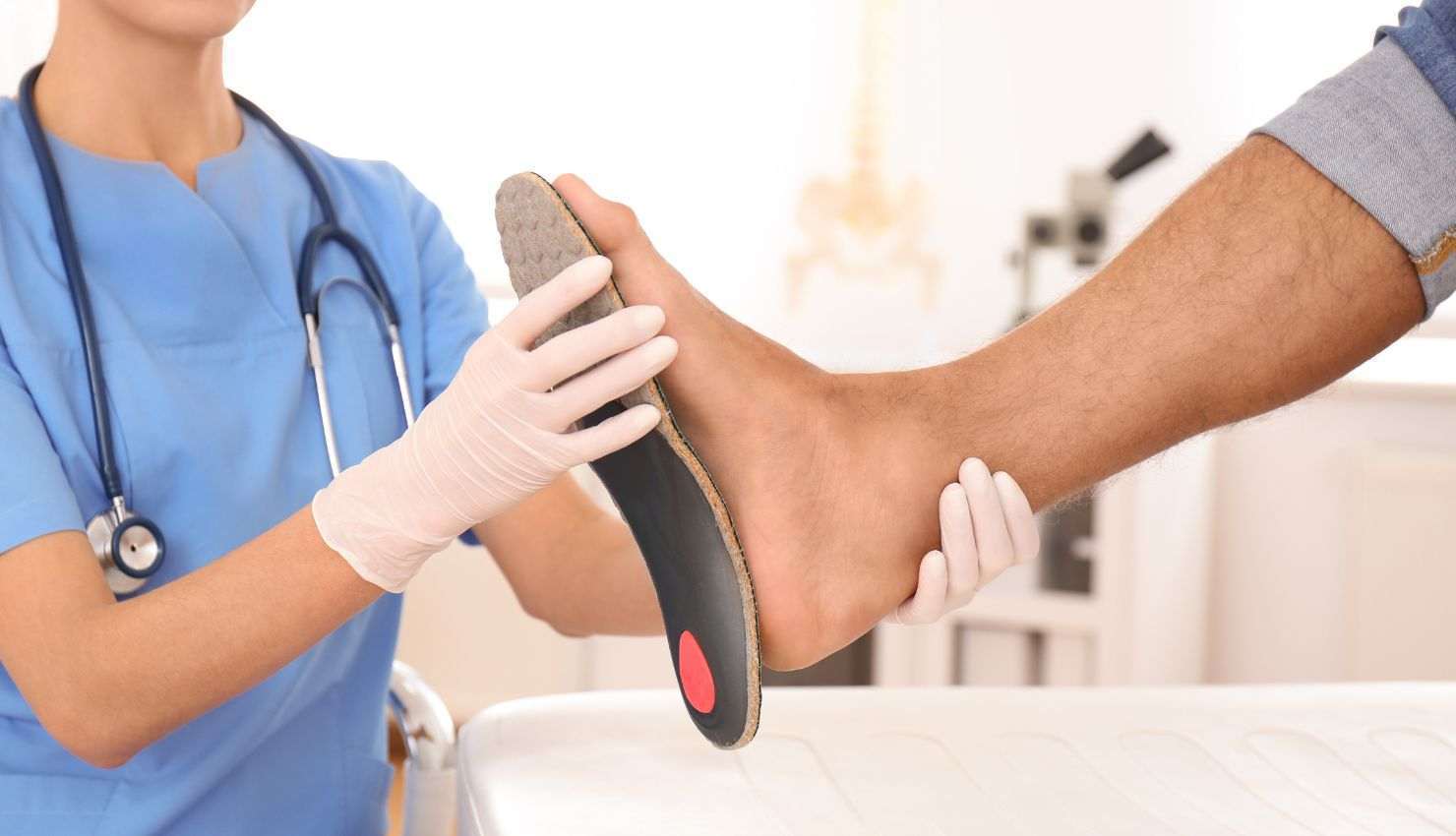
If youve ever felt tight no matter how much you stretchor wondered why flexibility gains disappear quicklytheres a good chance the issue isnt just with your muscles. Its your joint mobility. Most tightness isnt caused by short muscles alone, but by restricted or poorly functioning joints that limit how far your body feels safe to move.
At YourFormSux (YFS), we help clients move past the cycle of temporary flexibility by targeting joint mobility, nervous system regulation, and movement mechanics. This blog explores why joint mobility is the foundation for reducing tightness and unlocking real, functional flexibility that lasts.
The Difference Between Flexibility and Mobility
Before diving in, its important to understand the distinction between flexibility and mobility:
Flexibility is the passive length of a musclehow far it can stretch without active control.
Mobility is the active, controlled movement of a joint through its full range of motion.
You can be flexible without being mobile, and you can have mobility without extreme flexibility. But to move well in real lifebending, reaching, squattingyou need both, and mobility is what makes flexibility usable.
Why Traditional Stretching Doesnt Fix Tightness
Static stretching often feels good in the moment, but it doesnt address:
Joint restrictions that limit mechanical range
Fascial tension that influences movement patterns
Nervous system guarding that protects unstable areas
Poor movement habits that reinforce tightness
Tightness is often the bodys way of protecting joints that are not moving efficiently. When you stretch without addressing joint mobility, you may get short-term relief, but not lasting change.
How Joint Mobility Improves Flexibility
1. Restores Joint Range of Motion
A joint that doesnt move well will limit how much a muscle can lengthen. By targeting joint mechanicssuch as capsule mobility and alignmentyour body unlocks new movement potential that muscles can safely lengthen into.
2. Releases Compensatory Patterns
When one joint is stuck, another often works overtime. This overuse can create chronic tightness in areas like the neck, hamstrings, or hips. Improving mobility at the root joint reduces overcompensation and allows the whole system to relax.
3. Creates Functional Length, Not Just Passive Stretch
True flexibility isnt about lying on the floor with your leg over your head. Its about being able to control motion under load and in real time. Joint mobility drills train you to use new range activelyso you can access flexibility while standing, squatting, or rotating.
4. Improves Neurological Safety
Often, the brain limits range because it doesnt trust a joint to be stable. When we improve joint mechanics and include nervous system regulation techniqueslike breathwork and controlled mobility drillsthe brain allows deeper, safer ranges of motion.
How Joint Mobility Reduces the Feeling of Tightness
1. Improves Tissue Hydration and Circulation
When joints move well, they stimulate fluid movement in surrounding tissues. This reduces stiffness, improves elasticity, and supports better fascial glideso your body feels looser without forceful stretching.
2. Deactivates Muscle Guarding
Chronic muscle tension is often a protective strategy. When the nervous system senses that a joint is stable and mobile, it stops bracing. This leads to a natural, sustainable release of chronic tightness in high-tension zones like the hips, calves, shoulders, or spine.
3. Integrates Movement Patterns
Tightness often comes from poor movement habitslike sitting too long, overtraining, or poor posture. Joint mobility work retrains movement efficiency, helping your body reset postural and movement memory, which translates to less tension over time.
The Role of Nervous System Regulation
The body doesnt just restrict range because of short musclesit does so because of perceived threat. If your nervous system thinks a movement is unsafe, it will limit your ability to go there.
At YFS, we pair mobility work with nervous system regulation techniques, such as:
Breath-led movement sequences
Vagus nerve activation
Somatic awareness and controlled loading
Postural retraining with active feedback
This calms the system and teaches your brain that new ranges are safe, supported, and stablewhich is how real change happens.
Who Needs This Work?
Joint mobility is for more than just athletes. Anyone who experiences:
Persistent tightness despite stretching
Limited range of motion in hips, spine, or shoulders
Postural stiffness from sitting or repetitive strain
Chronic muscular tension or nerve-related discomfort
Difficulty performing everyday movements with ease
can benefit from mobility work that targets the root cause of tightnessnot just its symptoms.
The YFS Approach to Lasting Flexibility
Our mobility sessions include:
Joint-specific mobilization drills
Dynamic range conditioning
Manual therapy and fascial release where needed
Movement pattern correction
Breath-based integration work
Personalized mobility homework to build consistency
We help you create space where your body feels safe to move, so tightness naturally reduces and flexibility becomes part of your baseline, not a goal you keep chasing.
Final Thoughts
If youre tired of stretching only to feel tight again hours later, its time to shift your focus. Improving joint mobility is the missing link to sustainable flexibility and real movement freedom.
At YourFormSux, we help people move better by restoring what the body was built to dofluid, stable, and pain-free motion through every joint. Our nervous-system-informed approach helps you not only feel better but move better, for good.