How Massage Therapy Helps Improve Flexibility in Athletes and Non-Athletes Alike brings new meaning to proactive care. Discover fresh strategies that promote movement and strength.

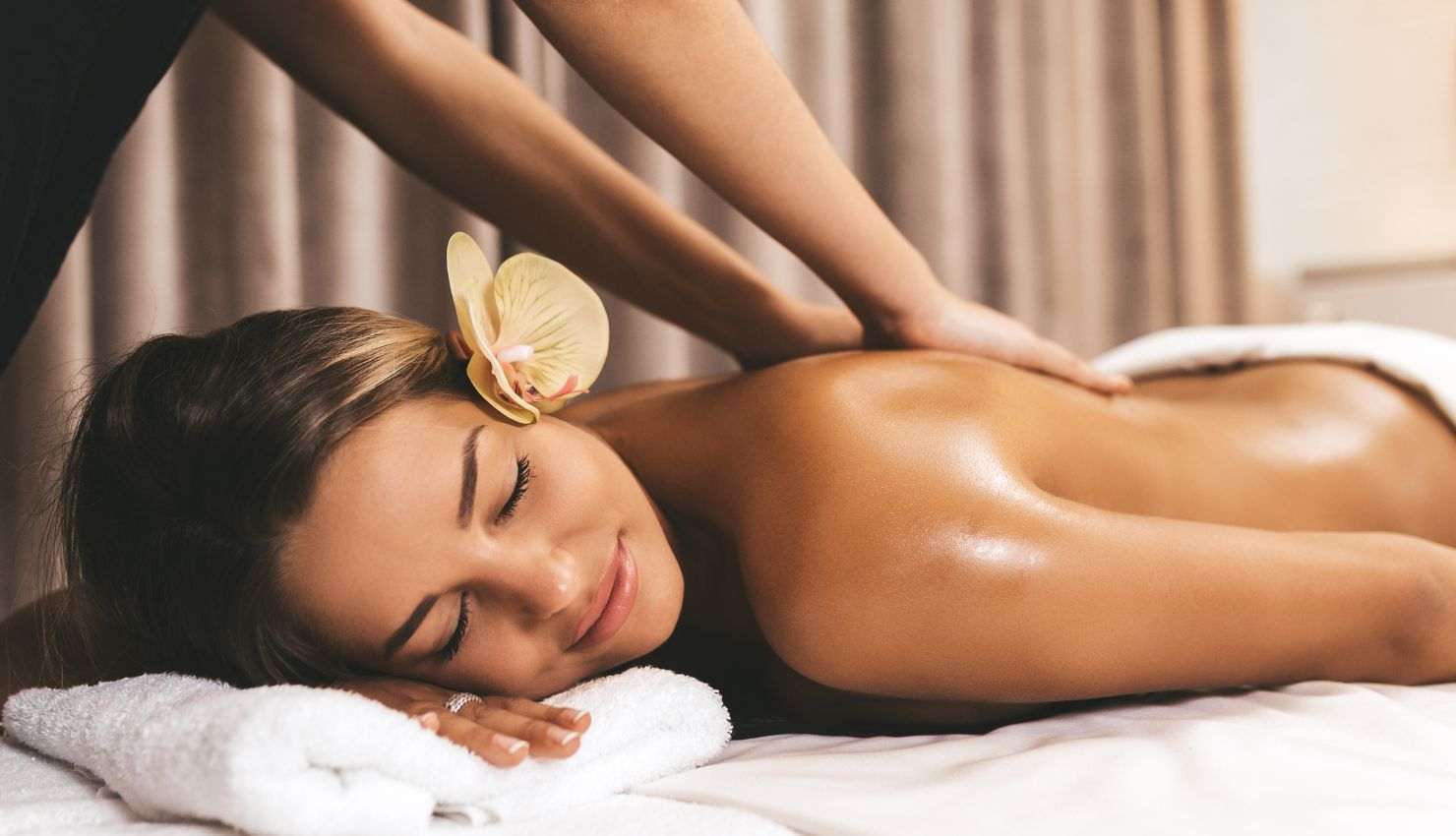
Flexibility is one of those underrated aspects of health that everyone benefits from, whether youre an elite athlete or simply someone looking to move more freely in everyday life. Improved flexibility can reduce the risk of injury, enhance physical performance, and increase overall mobility, making day-to-day tasks easier and more comfortable. While stretching exercises are a well-known method to boost flexibility, theres another powerful tool thats gaining significant attention massage therapy.
At YourFormsUX in Canada, we understand how essential flexibility is, and how massage therapy can play a crucial role in improving it for both athletes and non-athletes alike. Lets dive into how this ancient practice works to enhance your bodys natural range of motion and why its becoming a go-to method for people seeking better flexibility.
The Science Behind Flexibility and Massage Therapy
Flexibility refers to the ability of muscles and joints to move through their full range of motion without pain or restriction. Many factors influence flexibility, including muscle length, joint structure, connective tissue health, and neural control. When muscles or connective tissues become tight or damaged, they limit your range of motion, which can lead to stiffness, discomfort, and a higher risk of strains or sprains.
Massage therapy helps address these limitations by targeting muscle tension and improving blood flow, which assists in loosening tight muscles and breaking down scar tissue. Therapists use various techniques such as deep tissue massage, myofascial release, and trigger point therapy to release knots and adhesions that restrict movement. This not only helps muscles relax but also encourages greater elasticity in soft tissues.
Benefits of Massage Therapy for Flexibility in Athletes
Athletes, whether professional or recreational, often face muscle tightness from repetitive movements and intense training routines. This tightness can reduce performance and increase the risk of injury. Incorporating regular massage therapy sessions into training plans provides athletes with several benefits:
Enhanced Range of Motion: By reducing muscle stiffness, massage therapy helps athletes achieve a wider range of motion, which is essential for executing movements efficiently and safely.
Improved Muscle Recovery: Massage promotes faster recovery by improving circulation and reducing lactic acid buildup, allowing muscles to relax and regain flexibility more quickly.
Injury Prevention: Regular massage can identify and treat areas of tension before they develop into injuries, keeping athletes in peak condition.
Reduced Muscle Soreness: Post-workout massage helps ease delayed onset muscle soreness (DOMS), enabling athletes to maintain consistent training schedules without setbacks.
For athletes, maintaining flexibility is not just about performanceits about longevity in their sport and reducing downtime caused by injuries.
How Massage Therapy Benefits Non-Athletes
Flexibility is equally important for non-athletes, especially those with sedentary lifestyles or jobs that require prolonged sitting, standing, or repetitive motions. Over time, inactivity or poor posture can cause muscles to become tight and joints to stiffen, leading to discomfort and limited mobility.
Massage therapy offers non-athletes a natural and effective way to combat these issues:
Release Muscle Tension: Regular massage helps relax tight muscles caused by daily stress or poor ergonomics.
Increase Circulation: Improved blood flow nourishes muscles and connective tissues, promoting tissue health and flexibility.
Enhance Posture: By addressing muscle imbalances and tightness, massage therapy contributes to better posture, which in turn supports flexible movement.
Promote Relaxation: Massage reduces stress and muscle guarding, allowing muscles to lengthen and move more freely.
For those who may not engage in regular physical activity, massage therapy acts as a catalyst to gently improve flexibility and encourage movement without strain.
Combining Massage Therapy with Stretching for Optimal Results
While massage therapy alone offers significant benefits, combining it with regular stretching routines maximizes flexibility gains. After a massage session, muscles are more relaxed and pliable, making it an ideal time to perform static or dynamic stretches. This synergy helps lengthen muscles effectively and maintain the improved range of motion achieved during therapy.
Whether youre an athlete preparing for competition or someone trying to improve daily mobility, integrating massage with stretching creates a comprehensive flexibility program that supports your goals.
Choosing the Right Type of Massage for Flexibility
Different massage techniques can target flexibility improvements in various ways. Here are a few common types suited for enhancing flexibility:
Deep Tissue Massage: Focuses on deeper muscle layers and connective tissue, ideal for breaking down adhesions and tight knots.
Myofascial Release: Targets the fascia (connective tissue surrounding muscles) to relieve restrictions and improve tissue elasticity.
Swedish Massage: Uses gentle, flowing strokes to increase circulation and promote relaxation, which helps muscles loosen.
Sports Massage: Tailored for athletes, combining techniques to address muscle tightness, prevent injuries, and enhance flexibility.
A skilled massage therapist will assess your needs and tailor the session accordingly to maximize flexibility improvements.
Why Consistency Matters
Flexibility isnt a one-time achievement but a continuous process. Just like any physical attribute, it requires consistent care and attention. Regular massage therapy sessions help maintain muscle and joint health, prevent tightness from returning, and support long-term flexibility gains.
At YourFormsUX, we encourage our clients to view massage therapy as part of an ongoing wellness routine that complements exercise, stretching, and healthy lifestyle choices.
Massage Therapy and Holistic Wellness
Improved flexibility has ripple effects throughout your overall health and well-being. When your muscles and joints move freely, you experience less pain and stiffness, better posture, and increased energy levels. Massage therapy also reduces stress hormones, promotes relaxation, and improves sleep qualityall of which support your bodys ability to heal and stay flexible.
For athletes, this holistic approach means enhanced performance and faster recovery. For non-athletes, it means a more comfortable, active, and fulfilling life.
Final Thoughts
Whether youre a dedicated athlete looking to push your limits or someone who simply wants to move without pain and stiffness, massage therapy offers a powerful, natural solution to improve flexibility. It works by addressing the root causes of tightness, improving circulation, and promoting relaxationall essential elements for a flexible body.
If youre in Canada and want to explore how massage therapy can benefit your flexibility and overall health, YourFormsUX is here to help. Our professional therapists are trained in techniques tailored to your unique needs, ensuring that every session brings you closer to your flexibility goals.
Remember, flexibility is not just about how far you can stretchits about how well your body moves, feels, and functions every day. Massage therapy is a key step in that journey.