How Massage Therapy Helps with Pain Relief After Surgery brings new meaning to proactive care. Discover fresh strategies that promote movement and strength.

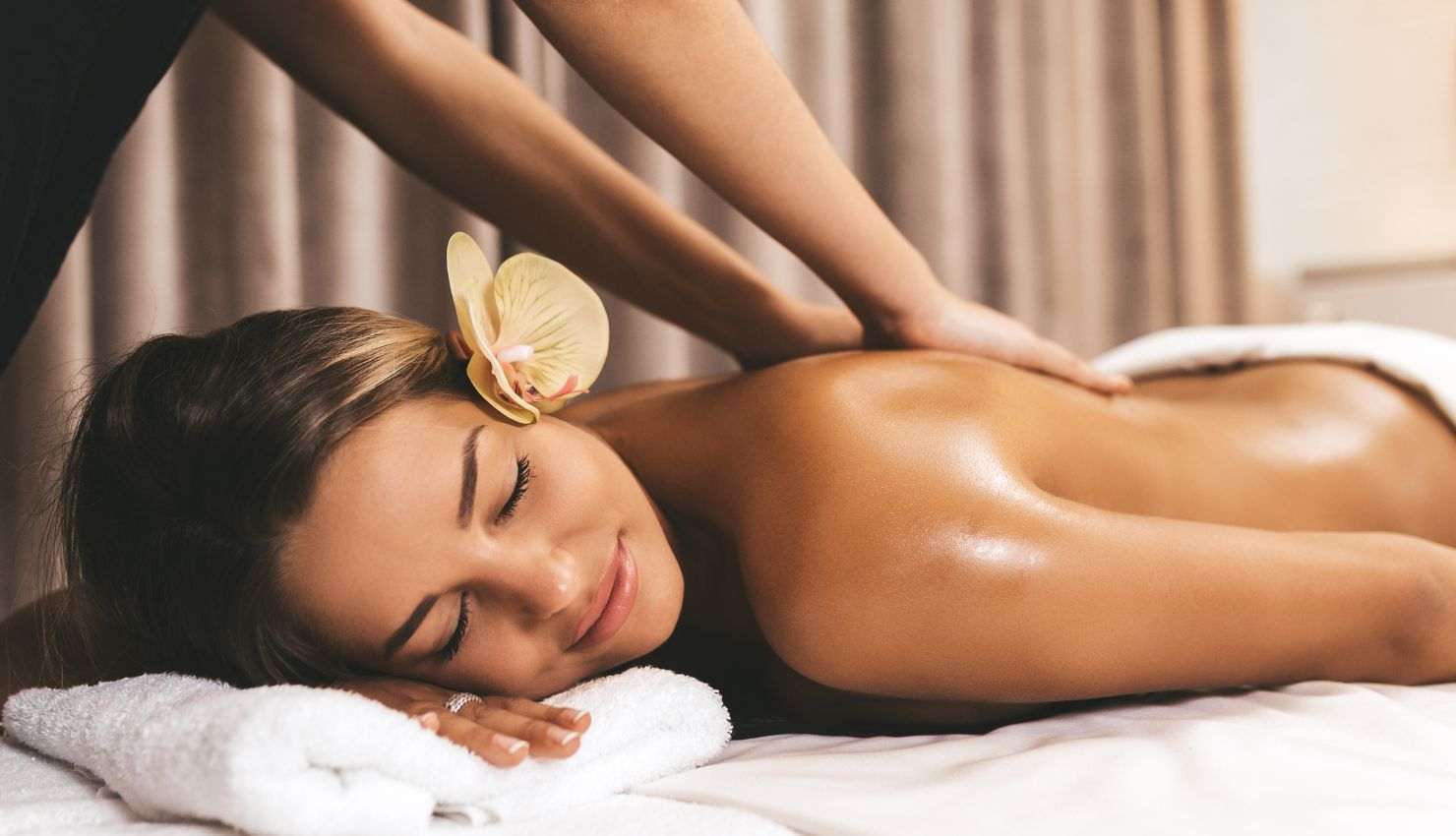
Recovering from surgery can be a challenging journey, often accompanied by pain, swelling, and limited mobility. While traditional medical treatments and medications play a vital role in the healing process, many patients are now turning to complementary therapies to enhance their recovery. Among these, massage therapy has gained significant recognition for its powerful role in managing post-surgical pain and promoting overall healing.
If youre curious about how massage therapy can help relieve pain after surgery, this blog will explore the science, benefits, and practical insights into why massage therapy might be an essential part of your recovery plan.
Understanding Post-Surgical Pain and Healing
After surgery, the body naturally responds with inflammation, muscle tightness, and sometimes scar tissue formation. These are all part of the healing process, but they can cause discomfort, stiffness, and even chronic pain if not managed properly. Pain after surgery can limit movement, delay recovery, and affect your overall quality of life.
Traditional pain management often involves medications, but these can have side effects or limitations, prompting many patients to seek alternative solutions like massage therapy to complement their care.
How Massage Therapy Works for Pain Relief After Surgery
Massage therapy targets the muscles, soft tissues, and circulation systems to encourage relaxation and reduce tension. Heres how it directly helps with pain relief after surgery:
Reduction of Muscle Tension and Spasms
Surgical procedures can cause muscles to tighten or spasm around the affected area. Massage therapy helps release this tension, easing stiffness and reducing the painful sensations caused by muscle knots or spasms.
Improved Blood and Lymphatic Circulation
Better circulation means more oxygen and nutrients reach the surgical site, which helps speed up the healing process. Enhanced lymphatic flow also aids in reducing swelling and flushing out toxins that can contribute to discomfort.
Trigger Point Relief
Sometimes, pain after surgery radiates due to trigger points tight spots in the muscle that refer pain to other areas. Skilled massage therapists can identify and release these points, providing significant relief.
Reduction of Scar Tissue Formation
Scar tissue can limit mobility and cause discomfort. Massage therapy encourages proper tissue remodeling, making scars softer and more flexible, which reduces pain and improves function.
Endorphin Release
Massage stimulates the release of endorphins the bodys natural painkillers helping to decrease pain perception and promote a sense of well-being.
Timing and Safety Considerations
Its crucial to approach post-surgical massage therapy with care. The timing of massage should be guided by your healthcare provider to avoid interfering with the healing process or risking infection.
Generally, gentle massage can begin once the initial healing phase is stable, and stitches or staples are removed. Techniques will be adapted to your specific surgery type and recovery stage, focusing on gentle, light pressure initially and progressing to deeper work as tolerated.
Scientific Evidence Supporting Post-Surgical Massage Therapy
Research supports massage therapy as an effective tool for reducing pain and improving recovery outcomes after surgery. Studies have found that patients who receive massage experience lower pain scores, reduced anxiety, and improved mobility compared to those who dont.
For example, a study published in the Journal of Clinical Oncology demonstrated that massage helped reduce pain and improve mood in patients recovering from cancer-related surgeries. Other research highlights how massage decreases the need for pain medications post-operatively, minimizing drug side effects and promoting faster rehabilitation.
Benefits Beyond Pain Relief
Massage therapy also offers additional benefits that enhance the overall recovery experience, such as:
Reduced Anxiety and Stress: Surgery and recovery can be mentally taxing. Massage promotes relaxation and helps ease the emotional burden.
Improved Sleep Quality: Better sleep is essential for healing, and massage helps improve sleep patterns by reducing discomfort and calming the nervous system.
Enhanced Mobility and Flexibility: By reducing stiffness and loosening tissues, massage supports regaining movement and function after surgery.
Choosing the Right Massage Therapist for Post-Surgery Care
When considering massage therapy post-surgery, its important to work with a licensed massage therapist experienced in postoperative care. They will tailor the sessions to your specific needs, ensuring safety and effectiveness.
Communicate openly about your surgery type, any complications, and your pain levels so the therapist can adjust techniques accordingly. Collaboration between your medical team and massage therapist often yields the best results.
Practical Tips for Integrating Massage Therapy in Your Recovery
Start Slow: Begin with light, gentle massage techniques before progressing to deeper tissue work.
Listen to Your Body: If something feels painful or uncomfortable, let your therapist know immediately.
Stay Consistent: Regular massage sessions can provide ongoing pain relief and improve healing.
Complement with Other Therapies: Combine massage with physical therapy, stretching, and prescribed exercises for optimal recovery.
Final Thoughts
Massage therapy is a powerful, non-invasive approach to managing post-surgical pain and accelerating healing. By improving circulation, reducing muscle tension, and promoting relaxation, massage can make a significant difference in how comfortably and quickly you recover.
If youre considering massage therapy after surgery, always consult with your healthcare provider and choose a skilled therapist familiar with postoperative care. With the right approach, massage therapy can be a valuable ally in your journey toward healing and renewed wellness.