How Meridian Therapy Works explores targeted strategies for recovery. Discover new paths to mobility, healing, and personalized care.

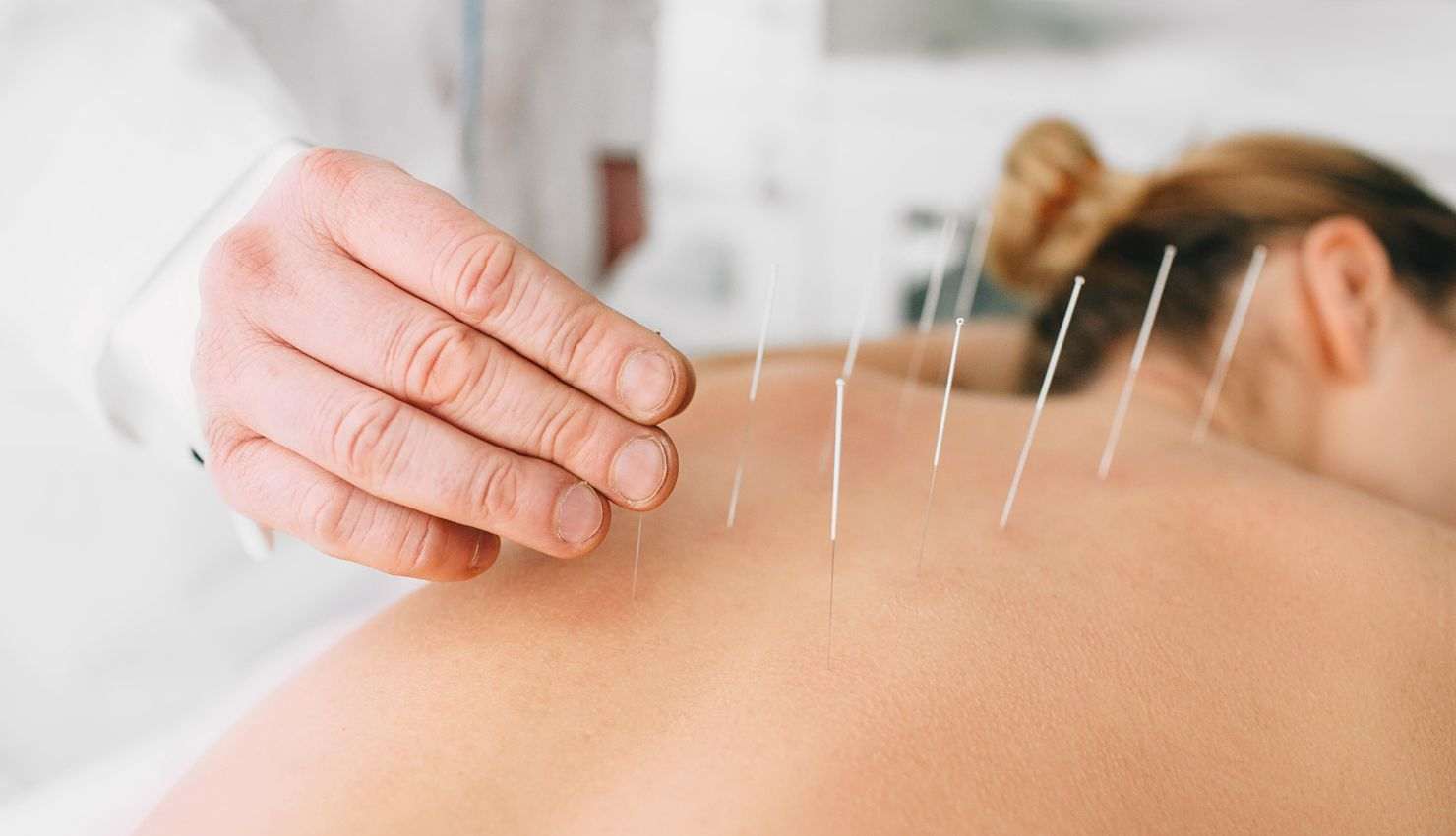
In todays world of high-speed living and chronic stress, people are turning to holistic therapies to restore their health and balance. Among the most respected and time-tested of these methods is meridian therapyan integral part of Traditional Chinese Medicine (TCM) that merges ancient knowledge with modern wellness goals.
But what exactly is meridian therapy? How does it work? And why is it gaining popularity among those seeking physical, emotional, and energetic healing? This blog explores how meridian therapy functions, its ancient roots, and its relevance in the modern world of health and wellness.
What Are Meridians?
Meridians are energy channels that run throughout your body, forming a complex network through which Qi (pronounced “chee”)your life energyflows. According to Traditional Chinese Medicine, the body has 12 main meridians, each connected to a vital organ such as the heart, liver, lungs, kidneys, or stomach.
These meridians:
Guide energy to every cell and organ
Maintain harmony among bodily systems
Respond to emotional, physical, and environmental changes
When Qi flows freely, the body functions optimally. When that flow is blocked or imbalanced, symptoms such as pain, fatigue, stress, or illness begin to appear.
The Origins of Meridian Therapy
Meridian therapy dates back over 2,500 years. Ancient Chinese physicians observed that stimulating certain points on the body affected internal functions. These points, now known as acupoints, lie along the meridians. Over time, they developed a system of diagnosis and treatment based on Qi flow, yin and yang balance, and energy circulation.
The wisdom passed down through generations has remained remarkably relevant, offering practical methods for resolving imbalances in the body through non-invasive treatment.
How Meridian Therapy Works
Meridian therapy stimulates specific acupoints along the energy pathways to restore the natural flow of Qi. This can be done through various methods:
Acupressure: Manual pressure applied to meridian points
Acupuncture: Insertion of fine needles to stimulate energy flow
Cupping: Using suction to open up energy channels
Moxibustion: Burning herbal moxa near acupoints to warm and invigorate Qi
Gua Sha: Gentle scraping of the skin to release blockages
Meridian stretching or tapping: Movement techniques that clear energetic stagnation
These methods work by:
Opening blocked meridians
Stimulating the body’s natural healing mechanisms
Balancing yin (cooling/restorative energy) and yang (active/energizing energy)
Regulating organ function
Improving circulation and reducing tension
What Can Meridian Therapy Help With?
Meridian therapy is incredibly versatile and can support the treatment of many conditions. Common issues it addresses include:
Chronic pain (neck, back, joints)
Migraines and headaches
Anxiety, stress, and depression
Insomnia and fatigue
Digestive problems
Hormonal imbalances
Menstrual and menopausal symptoms
Immune system weakness
Poor circulation
Emotional imbalances
Because it addresses the root cause of imbalance, meridian therapy often improves both physical and emotional symptoms simultaneously.
The Science Behind the Practice
While Qi and meridians are concepts from Eastern philosophy, modern research is beginning to validate many of meridian therapys effects. Studies have shown that stimulating acupoints can:
Trigger the release of endorphins (natural painkillers)
Activate the parasympathetic nervous system (rest and repair)
Increase blood flow to targeted areas
Regulate neurotransmitters related to mood and stress
Decrease inflammation and swelling
Improve immune system function
In other words, meridian therapy influences both the physical and energetic systems of the body, allowing for a deeper level of healing.
What Does a Meridian Therapy Session Feel Like?
Depending on the technique used, meridian therapy may feel different, but it is generally gentle and relaxing.
Acupressure may feel like a firm massage on pressure points
Cupping can cause a sensation of suction and warmth
Gua Sha may create mild redness as blood flow increases
Acupuncture typically causes a dull ache, warmth, or tingling sensation
Many people report feeling deeply relaxed, mentally calm, or even energized after a session. In some cases, there may be a brief healing response as the body adjustslike temporary fatigue or emotional release.
How Meridian Therapy Fits Into Modern Wellness
In our current healthcare landscape, theres growing awareness that wellness is about more than symptom managementits about balance, resilience, and proactive self-care. Meridian therapy supports this approach by:
Focusing on prevention instead of waiting for illness
Addressing both the physical and emotional body
Encouraging personalized care
Complementing Western medicine without conflict
Its commonly used alongside physiotherapy, massage, counselling, and other therapeutic methods as part of an integrated wellness plan.
Who Can Benefit?
Meridian therapy is safe and suitable for almost anyone, including:
Adults with chronic pain or stress
Seniors with joint stiffness or sleep issues
Women dealing with hormonal shifts or reproductive concerns
Athletes managing recovery or energy imbalances
Office workers with posture-related discomfort
Anyone looking to reconnect with their bodys natural rhythms
Because its non-invasive and drug-free, meridian therapy is often a first choice for people seeking natural healing solutions.
Supporting Meridian Health at Home
You dont need to visit a practitioner every day to benefit from meridian theory. Here are a few ways to keep your meridians flowing freely:
Stretch daily Gentle yoga or meridian stretches open energy lines
Practice breathwork Deep, mindful breathing regulates Qi
Use a foam roller or massage ball on tight areas
Stay hydrated to support circulation and energy flow
Rest and sleep to allow your body to heal and reset
Eat in balance Warm, whole foods support yin-yang harmony
Final Thoughts: Ancient Tools for Modern Healing
Meridian therapy is more than just a wellness trendits a bridge between ancient healing traditions and todays desire for natural, holistic care. As modern science continues to uncover how the nervous system, energy flow, and emotional well-being are deeply connected, therapies like these are gaining recognition for their ability to treat the body as a whole.
By restoring balance in your meridians, you dont just feel relief from symptomsyou reconnect with the deep intelligence of your body, allowing it to heal, restore, and thrive.
Because wellness isnt about masking painits about moving forward with energy, clarity, and calm.