How Mobility & Joint Optimization Can Help You Manage Sciatica Pain explores targeted strategies for recovery. Discover new paths to mobility, healing, and personalized care.

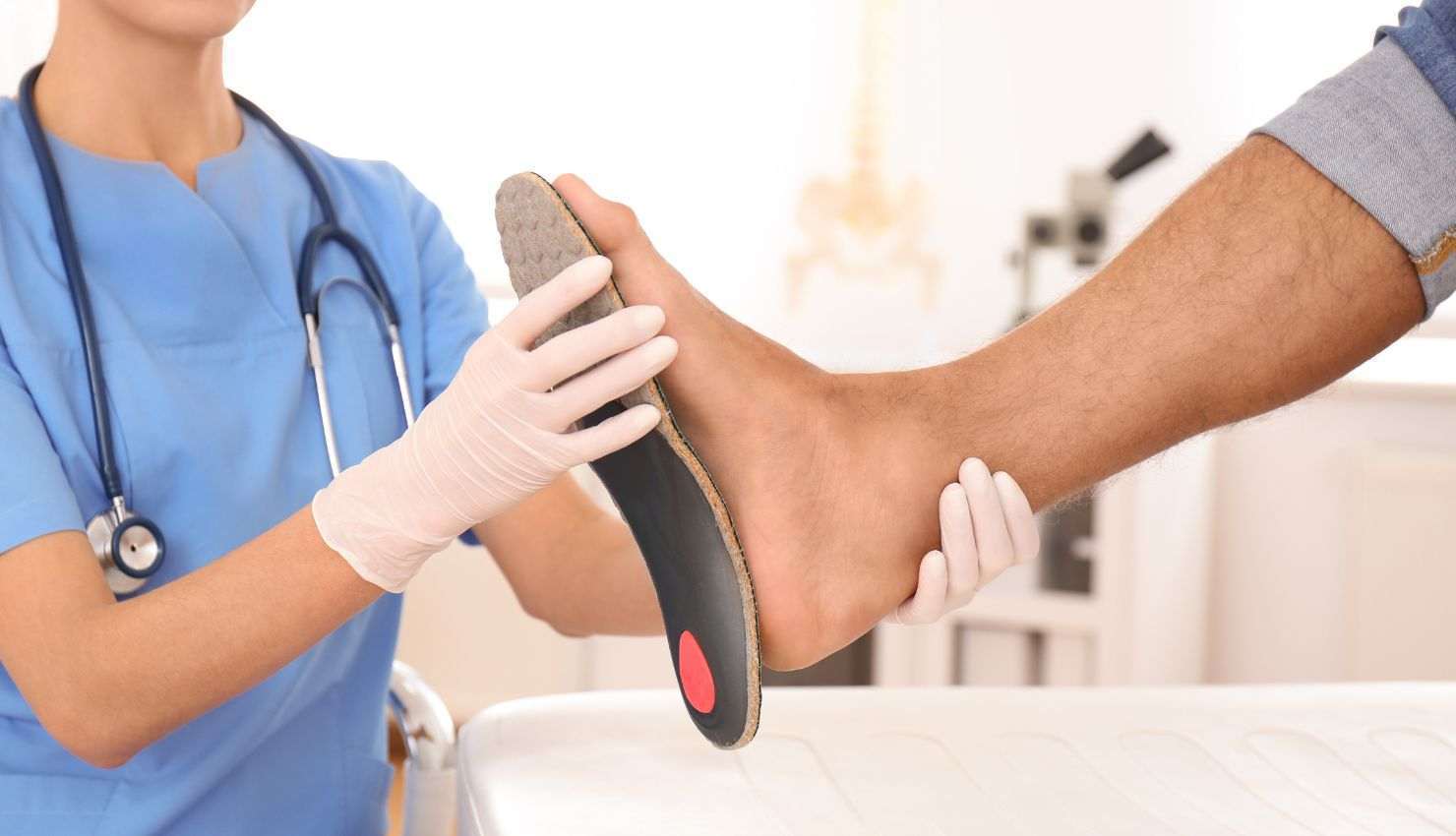
Sciatica pain can be life-disrupting. Whether its a sharp shooting sensation down your leg, persistent numbness, or nagging lower back pain, sciatica often limits your ability to sit, stand, walk, or sleep comfortably. But relief is possibleand it starts with understanding how mobility and joint optimization can reduce nerve irritation and restore healthy movement patterns.
At YourFormSux (YFS), we approach sciatica differently. We dont just chase symptomswe assess the underlying joint restrictions, muscle imbalances, and nervous system dysfunctions that create or aggravate sciatic nerve pain. Our goal is not just pain relief, but long-term function, resilience, and confidence in your body.
What Is Sciatica?
Sciatica refers to pain caused by irritation or compression of the sciatic nervethe largest nerve in your body. This nerve travels from the lower back through the hips, buttocks, and down the back of each leg. When compressed or inflamed, it can cause:
Sharp or burning pain down the leg
Tingling or numbness in the buttock or foot
Weakness in the leg or foot
Increased pain with sitting, standing, or walking
Difficulty bending, twisting, or lifting
Sciatica is not a condition itself but a symptom of an underlying issue, such as:
Herniated or bulging discs
Piriformis syndrome
Spinal stenosis
Degenerative disc disease
Pelvic or hip dysfunction
Prolonged poor posture or lack of movement
To manage sciatica effectively, you must reduce pressure on the nerve and improve the way your body movesstarting at the joints.
Why Mobility Matters in Sciatica Management
Joint mobility refers to the active, controlled movement of a joint through its natural range. When joints in the lower back, hips, or pelvis become stiff or misaligned, they often cause surrounding muscles to tighten, leading to nerve compression or irritation.
For example:
A stiff hip joint may cause the piriformis muscle to tighten excessively, compressing the sciatic nerve beneath it
Poor spinal mobility can cause uneven disc loading, increasing the risk of herniation
Tight hamstrings or locked ankles can alter gait mechanics, putting undue stress on the lower back
Improving mobility in key joints creates space around the sciatic nerve, reduces mechanical stress, and allows the nervous system to calm its pain response.
Joint Optimization: A Systemic Solution for Sciatic Pain
At YFS, we use joint optimization to ensure that each joint is doing its jobwhether its mobility (hips, thoracic spine, ankles) or stability (lumbar spine, knees, pelvis). When joints move well, muscles activate appropriately, and compensatory strain on the sciatic nerve is reduced.
We evaluate the entire movement system to identify where dysfunctional patterns may be contributing to your painand we address these through customized therapy.
How Physiotherapy at YFS Supports Sciatica Recovery
Our physiotherapy programs for sciatica are designed to relieve pain, restore movement, and train the nervous system to feel safe again. Here’s how mobility and joint optimization play a central role:
1. Joint Mobility Assessments
We begin by evaluating mobility in the lumbar spine, pelvis, hips, and ankles. Limited mobility in these areas can create mechanical dysfunction that irritates the sciatic nerve. We identify asymmetries, restrictions, and compensation patterns that affect your posture and movement.
2. Targeted Mobility Restoration
Using hands-on manual therapy, joint mobilizations, and guided movement drills, we help you regain active range of motion. This often includes:
Hip mobility drills
Thoracic spine extension exercises
Lumbar decompression strategies
Neural glides to reduce nerve sensitivity
Improving motion around the sciatic nerve reduces local pressure and enhances circulation and healing.
3. Pelvic and Core Stabilization
Sciatica is often worsened by pelvic instability or a poorly activated core. We teach clients how to build trunk control through breathwork, pelvic alignment, and neuromuscular activation, helping to offload the spine and support better gait and posture.
4. Movement Pattern Correction
We assess how you walk, sit, bend, and lift. Faulty movement patterns can increase strain on the lower back or hips, compressing the sciatic nerve. We correct these patterns through cueing, strength training, and motor control drills to reduce irritation and retrain pain-free movement.
5. Nervous System Regulation
Sciatica often leads to a hyper-reactive nervous system. Chronic pain can cause protective guarding, fear of movement, and increased muscle tension. At YFS, we use nervous system regulation tools, such as:
Diaphragmatic breathing
Vagus nerve activation
Gentle somatic mobility flows
These help calm the nervous system, reduce tension, and improve movement tolerance.
Benefits of This Approach
By focusing on mobility and joint function, our clients often experience:
Reduced sciatic pain intensity and frequency
Improved posture and gait
Better range of motion in hips and spine
Greater control during lifting and bending
Less reliance on pain medications
Decreased recurrence of flare-ups
Enhanced confidence in daily movement
Whether your sciatica is new or long-standing, joint optimization gives your body a new opportunity to heal from the inside out.
Who Can Benefit?
Our mobility and joint-based approach to sciatica management is ideal for:
Adults with chronic lower back and leg pain
Office workers with sedentary habits and poor posture
Athletes managing piriformis-related nerve pain
Postpartum individuals experiencing pelvic instability
Clients with a history of disc injury or lumbar spine dysfunction
Anyone who wants to move better and reduce nerve-related discomfort
You dont have to live in fear of the next flare-upyou can take back control of your body with the right guidance.
The YFS Difference: Long-Term Relief Through Smarter Movement
At YourFormSux, we go beyond basic stretches or temporary fixes. We identify the true drivers of your sciatic pain, retrain your joints and muscles to move intelligently, and help your nervous system feel safe in motion again.