How Mobility & Joint Optimization Helps Alleviate Chronic Tension explores targeted strategies for recovery. Discover new paths to mobility, healing, and personalized care.

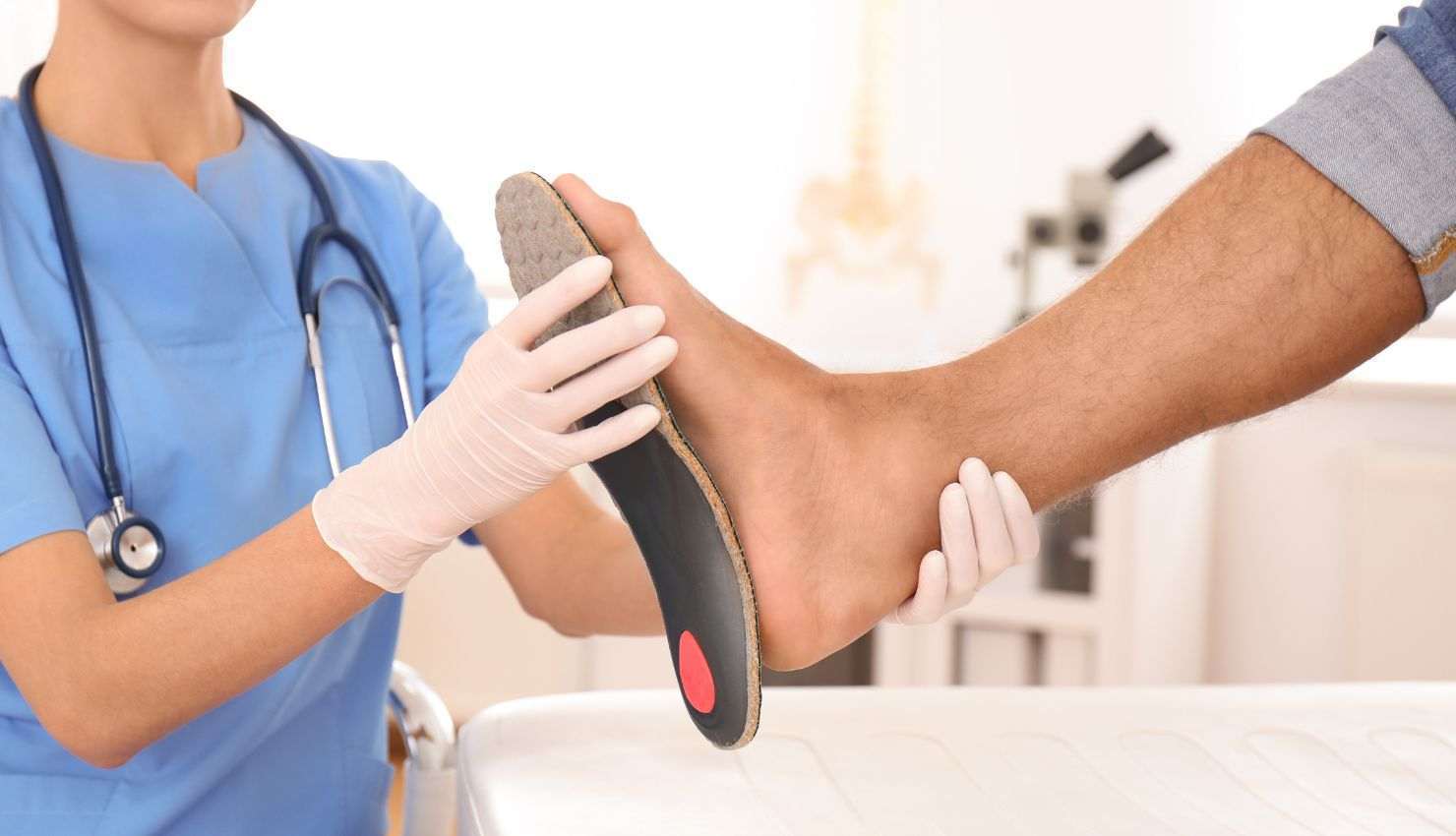
Mobility and joint optimization go beyond flexibilitythey aim to improve how your joints move, how your muscles engage, and how your body maintains balance under load. This approach not only restores ease of movement but also helps resolve the root causes of chronic muscular tension.
In this blog, we explore how optimizing joint mobility can reduce chronic tension, improve alignment, and promote lasting relief through physiotherapy and daily movement strategies.
Understanding Chronic Tension
Chronic tension is the persistent tightness in muscles and soft tissues, often triggered by poor posture, overuse, immobility, or stress. Its your bodys way of bracing or compensating for instability, weakness, or misalignmentoften without your conscious awareness.
Tension can build up in:
The neck and shoulders from forward head posture and screen time
The lower back from sitting or compensating for tight hips
The hips and legs from sedentary habits or one-sided movement
The jaw and upper spine due to stress and poor breathing patterns
Over time, these muscle groups remain in a state of constant contraction. Without intervention, this can lead to pain, restricted mobility, and even nerve irritation.
Why Joint Mobility Matters for Tension Relief
The body functions as an interconnected system. When one joint loses its natural range of motion, other areas compensate to keep you moving. This compensation places undue strain on surrounding muscles, which can cause chronic tightness or discomfort.
Heres the chain reaction:
A joint (like the hip or thoracic spine) loses mobility
Nearby muscles overwork to make up for the restriction
These muscles stay tense, shortened, and fatigued
Chronic tightness and discomfort set in
Joint mobility optimization resolves this cycle by restoring healthy, fluid joint movementallowing muscles to relax, activate properly, and work efficiently rather than defensively.
How Joint Optimization Relieves Tension
1. Improves Movement Efficiency
When joints move freely, your body no longer relies on muscle overuse to achieve simple motions. As a result, you reduce muscular effort and allow tissues to relax during movement.
2. Enhances Postural Alignment
Poor posture is a major cause of muscle tension. Limited joint motionespecially in the hips, spine, and shouldersleads to misalignment. Optimizing mobility helps restore balanced posture, so your muscles arent holding you upright all day.
3. Activates Underused Muscles
Many tight muscles are also weak musclestheyre trying to do more than they should. Mobility work encourages proper joint function so supportive muscles engage, taking pressure off overworked tissues.
4. Improves Nervous System Regulation
Chronic tension isnt just physicalits also neurological. Tight muscles often indicate an overactive nervous system. Gentle mobility exercises calm the body, reset neural patterns, and reduce the tension default setting in your tissues.
5. Reduces Fascial Restrictions
Fascia is the connective tissue that surrounds muscles and joints. Poor mobility leads to fascial adhesions that restrict movement and cause discomfort. Mobility work keeps fascia pliable and hydrated, reducing tension-related stiffness.
Areas Most Affected by Poor Joint Mobility
Some of the most common regions of chronic tension are directly related to poor mobility in nearby joints:
Neck and shoulders: Often linked to stiff thoracic spine or shoulder joints
Lower back: Caused by tight hips or immobile sacroiliac joints
Hamstrings and calves: Affected by ankle and pelvic mobility
Hip flexors: Tension builds due to excessive sitting and weak glutes
Improving mobility in these associated joints automatically reduces strain in the chronically tense areas.
The Role of Physiotherapy in Mobility-Based Tension Relief
A licensed physiotherapist can assess where tension is coming fromnot just symptomatically, but mechanically. Through mobility and joint optimization techniques, they help:
Identify restricted joints contributing to muscular overwork
Improve movement quality using targeted exercises and manual therapy
Teach breathing and posture strategies to release habitual tension
Re-train movement patterns to prevent re-tensioning over time
Build strength in stabilizing muscles to support relaxed movement
Physiotherapy combines mobility restoration with neuromuscular re-educationensuring long-term relief from chronic tightness.
Daily Habits to Support Joint Mobility and Reduce Tension
In addition to physiotherapy, there are practical strategies you can incorporate into your day to reduce tension and improve mobility:
1. Incorporate Daily Movement Snacks
Break up periods of sitting with 12 minutes of mobility drills. Focus on hips, thoracic spine, and shoulders.
2. Use Breath to Release Tension
Practice deep, diaphragmatic breathing to reduce nervous system overactivation. Try a 4-second inhale, 6-second exhale rhythm.
3. Stretch With Intention
Dont just stretch the tight areastretch in ways that mobilize the joints. For example, stretch your hips and spine to ease back tension.
4. Practice Controlled Joint Rotations
Controlled articular rotations (CARs) maintain joint health and prevent stiffness. These gentle, circular movements improve mobility and circulation.
5. Hydrate and Sleep Well
Dehydration and poor sleep contribute to tissue stiffness and nervous system dysregulation. Prioritize recovery to support tension relief.
When to Seek Help
If you experience any of the following, mobility restrictions may be contributing to your chronic tension:
Persistent tightness in the same area, even after massage or stretching
Discomfort during routine tasks (e.g., sitting, walking, turning your head)
Reduced range of motion in any major joint
Muscle knots that keep returning
Stress-related muscle holding in the jaw, shoulders, or back
These signs point to the need for a professional mobility assessment to resolve the deeper root cause.
Final Thoughts: Releasing Tension From the Inside Out
Chronic tension can feel like a burden you just have to live withbut it doesnt have to be permanent. When joints move well, muscles dont have to grip or guard unnecessarily. By optimizing your joint mobility, you give your body the freedom to move with less resistance and more ease.
Physiotherapy, combined with daily mobility practices, offers a safe, lasting solution to chronic tightnessreleasing your body from old holding patterns and empowering you to live without the constant drag of tension.
When your joints move, your whole system breathes easier. And thats the first step toward feeling truly free in your body again.