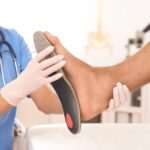
How Mobility & Joint Optimization Support Full-Body Strength explores targeted strategies for recovery. Discover new paths to mobility, healing, and personalized care.


When people think about building strength, they often picture lifting heavier weights, doing more reps, or increasing resistance. But what if the foundation of true, sustainable strength doesnt start with muscle at all? At YourFormSux (YFS), we help clients build long-term, injury-resistant strength by first addressing mobility and joint optimization.
Mobility and joint function are the gateways to effective force production. Without them, strength training becomes inefficient, compensatory, and injury-prone. With them, the nervous system, muscles, and joints can work in harmonyresulting in stronger, safer, and more functional movement.
The Hidden Link Between Joint Function and Strength
To produce full-body strength, your body needs to move through full ranges of motion with control, coordination, and efficiency. This requires:
Mobile joints that allow movement
Stable joints that resist unwanted movement
A nervous system that accurately senses and activates muscles
Tissues that can absorb and transfer force
When one link in that chain failssuch as stiff hips, unstable shoulders, or poor ankle mobilityyour nervous system compensates. Instead of building power, it builds tension, asymmetry, and dysfunction. Over time, these inefficiencies can lead to plateaus in strength, persistent tightness, or overuse injuries.
Mobility and joint optimization ensure that every rep countsand that strength gains are sustainable and safe.
What Is Mobility, and How Is It Different from Flexibility?
Mobility is the active control of a joint through its full range of motion. Its not just about being able to stretchmobility is your bodys ability to move into and out of positions with stability and strength.
Flexibility = passive range of motion
Mobility = active, usable range of motion
For example, you might be able to touch your toes when pulled by gravity (flexibility), but if you cant reach down and pick something up with control (mobility), that range is not functional. This is where many people get injuredtrying to move into ranges they cannot control.
Why Joint Optimization Supports Strength Development
Joint optimization means each joint is moving, stabilizing, and aligning correctly according to its role. When joints are optimized:
Muscles can engage more effectively
Tendons experience less strain
The nervous system can coordinate complex movements
Force transfers efficiently between limbs and the core
Movement patterns become smoother and more powerful
For example:
Optimized ankle and hip mobility allow for deeper, stronger squats
A stable shoulder blade improves pressing strength and protects the rotator cuff
A mobile thoracic spine supports core engagement and spinal loading
Proper wrist and elbow alignment improve grip strength and reduce overuse risk
Better joints equal better lifts, better control, and better performance.
The Nervous Systems Role in Strength and Mobility
Your nervous system ultimately decides how much strength you can express. If it senses instability, pain, or threat at a joint, it will limit outputeither by decreasing muscle activation or increasing protective tension.
Thats why someone may feel tight even if their muscles are long enough. Or why one side feels weaker despite symmetrical training.
At YFS, we address nervous system regulation alongside joint training, so your body feels safe and supported enough to unlock strength potential.
How YFS Approaches Mobility and Joint Optimization for Strength
Our physiotherapy team in Canada uses an integrated approach that combines manual therapy, nervous system retraining, and movement science to create lasting improvements in both mobility and strength.
Heres how we help clients optimize their strength foundation:
1. Joint-Specific Mobility Training
We assess each joints role (e.g., mobility at hips, stability at knees) and restore active range of motion with exercises that target the capsule, fascia, and muscle tissue. These drills are paired with breathwork and positional awareness to enhance neuromuscular control.
2. Motor Control and Stability Integration
Once mobility is restored, we teach the body how to stabilize through range. This involves isometric holds, resistance band work, and closed-chain exercises that train joint integrity under load. Stability is what turns mobility into strength.
3. Functional Movement Patterning
We dont isolate jointswe teach the body to move as a unit. Our programs include compound movements, gait training, and mobility flows that integrate multiple joints, reinforcing coordination and balance.
4. Breath-Led Movement and Core Activation
Breathing influences posture, core engagement, and nervous system tone. We train clients in diaphragmatic breathing and intra-abdominal pressure techniques to create full-body tension and control during lifts or dynamic movement.
5. Postural and Nervous System Regulation
If the nervous system is dysregulateddue to stress, past injury, or poor postureit may block full mobility or strength output. We use somatic tools and gentle manual techniques to restore alignment, reduce guarding, and support recovery between sessions.
The Benefits of Combining Mobility and Strength Training
When mobility and joint health are prioritized alongside strength work, clients experience:
Increased muscle recruitment
Greater range of usable strength
Reduced injury risk
Enhanced athletic performance
Better recovery from intense training
Improved posture and core function
More confidence in daily movement
This approach also supports those returning from injury, managing chronic pain, or training in high-demand fields such as sports, dance, or physical labour.
Who Is This For?
Joint optimization and mobility work are for anyone who:
Feels limited in certain lifts or motions
Experiences repeated strains or tightness during training
Has a history of joint injury or surgery
Wants to build strength without sacrificing longevity
Is new to strength training and wants to build a solid foundation
Feels strong but stiff or flexible but unstable
Our clients range from athletes and professionals to everyday movers who want to train with freedom, power, and purpose.
Build Strength That LastsFrom the Ground Up
At YFS, we dont just help you move morewe help you move better. Mobility and joint optimization are not just injury prevention toolsthey are the blueprints for building intelligent, adaptable strength that lasts beyond your next workout.