How Movement-Based Physiotherapy Supports Mental Health and Resilience brings new meaning to proactive care. Tap into fresh strategies that promote movement and strength.

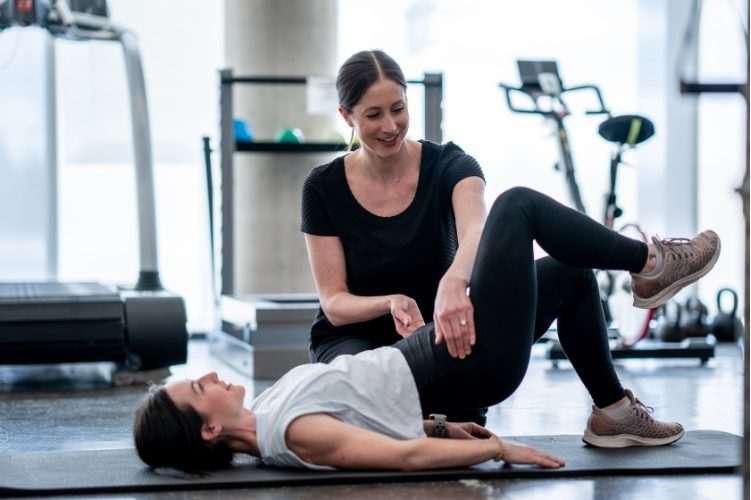
Building resiliencethe ability to adapt and recover from stressis vital for mental health. Movement-based physiotherapy is a dynamic approach that enhances resilience by strengthening both the body and mind. At YourFormSux (YFS), we offer tailored physiotherapy programs in Canada designed to harness movement as a pathway to mental wellness and emotional strength.
What is Mental Resilience?
Mental resilience refers to the capacity to cope with adversity, stress, and challenges while maintaining psychological well-being. It involves emotional regulation, adaptive thinking, and physical health. Movement-based physiotherapy supports these components by creating a strong mind-body connection.
How Movement Enhances Resilience
Physical activity triggers physiological responses that improve stress tolerance. Movement stimulates the release of mood-enhancing neurotransmitters such as endorphins and serotonin, which help counteract the effects of stress hormones like cortisol.
Additionally, movement improves cardiovascular health, muscular strength, and flexibilityphysical attributes that influence overall energy levels and the ability to handle daily demands.
Physiotherapys Role in Building Resilience
At YFS, physiotherapists design personalized movement plans focusing on gradual progression and consistency. This approach:
Teaches body awareness: Clients learn to recognize physical signs of stress, such as muscle tightness or shallow breathing.
Improves nervous system regulation: Exercises help shift the autonomic nervous system from a heightened stress state to relaxation.
Builds physical capacity: Strength and endurance training enhance the bodys ability to respond to stressors.
Supports emotional regulation: Movement combined with mindfulness encourages emotional balance.
Movement and Cognitive Resilience
Movement also sharpens cognitive function, improving focus, problem-solving, and memory. These mental faculties are essential for resilience, helping individuals respond flexibly to challenges and maintain a positive outlook.
Psychological Benefits of Movement-Based Physiotherapy
Increased self-confidence: Overcoming physical challenges boosts self-esteem and motivation.
Enhanced mood stability: Regular movement regulates mood swings and reduces anxiety.
Better sleep: Quality rest improves emotional recovery and resilience.
Stress reduction: Movement breaks the cycle of chronic stress and fatigue.
Why YFS Focuses on Resilience Through Movement
Resilience is a key factor in preventing relapse and promoting long-term mental health. Our movement-based physiotherapy programs empower Canadians to build this resilience naturally and sustainably.
Through compassionate guidance and evidence-based practice, YFS supports clients in developing habits that nurture mental toughness and well-being.
Taking Action with YFS
If youre seeking to enhance your mental resilience, consider the benefits of movement-based physiotherapy. Our team will work with you to create a personalized plan that strengthens your body and mind, helping you thrive in the face of lifes challenges.