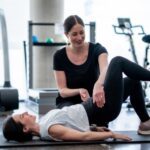
How Movement-Based Therapy Supports Mental Health Recovery brings new meaning to proactive care. Tap into fresh strategies that promote movement and strength.


In recent years, movement-based therapy has gained traction as a powerful tool in mental health recovery. As more Canadians seek non-pharmacological solutions to manage anxiety, depression, trauma, and chronic stress, physiotherapy has emerged as a key player in supporting both physical and emotional resilience. In cities like Toronto, where fast-paced living can take a toll on mental wellness, integrating movement therapy into ones lifestyle offers sustainable and holistic relief.
Understanding Movement-Based Therapy
Movement-based therapy is an umbrella term that refers to the intentional use of physical movement to improve psychological well-being. It goes beyond traditional exercise and incorporates therapeutic practices such as physiotherapy-guided movement, breathwork, posture correction, and neuromuscular training. At YourFormSux (YFS), physiotherapists use evidence-informed techniques to help individuals move in ways that release tension, recalibrate the nervous system, and restore mental equilibrium.
The Link Between Movement and Mental Health
The connection between movement and mental health is deeply rooted in neurophysiology. When the body moves, the brain responds by releasing endorphinsnatural mood elevators. Movement also helps regulate cortisol (the stress hormone) and increases brain-derived neurotrophic factor (BDNF), a protein that supports neuron health and cognitive function.
Physiotherapy offers targeted movement that is safe, customized, and responsive to your unique needs. Whether you’re managing the psychological aftermath of an injury, living with chronic anxiety, or recovering from burnout, structured movement can re-establish a sense of control over your body and emotions.
How Physiotherapy Supports Recovery
YourFormSux therapists are trained to assess musculoskeletal limitations and nervous system imbalances that often go hand-in-hand with mental health struggles. Through precise manual therapy, posture alignment, breath integration, and mobility exercises, they help:
Reduce bodily tension and physical symptoms of anxiety
Re-establish the mind-body connection through intentional movement
Support better sleep by calming the autonomic nervous system
Improve energy regulation for individuals experiencing depression or chronic fatigue
Provide grounding strategies for those healing from trauma
The Role of Breath in Movement Therapy
Breathwork is a key component of physiotherapy for mental health recovery. Deep diaphragmatic breathing activates the parasympathetic nervous system, reducing the fight-or-flight response. When paired with guided movement, breathwork helps anchor individuals in the present moment, a valuable skill for those struggling with anxiety, racing thoughts, or emotional overwhelm.
At YFS, breath-centered movement sessions are designed to create a rhythm that calms the body and quiets the mind. This rhythmic integration supports better emotional regulation and builds resilience over time.
Movement as a Sustainable Practice
Unlike short-term fixes, physiotherapy offers a sustainable pathway to mental health recovery. The goal isnt just symptom reliefits building long-term physical and emotional strength. With regular movement therapy, individuals often report improvements in focus, emotional flexibility, and self-esteem.
What makes this approach effective is its personalization. Movement is adapted based on current mobility, nervous system sensitivity, and mental health status. Whether its a gentle stretching program, strength training, or dynamic posture retraining, YFS ensures that each session aligns with your healing goals.
The Toronto Context: Why Movement Therapy Matters Now
In urban centers like Toronto, mental health challenges are rising due to increasing work stress, isolation, and overstimulation. Access to movement-based therapy provides a much-needed alternative to medication-centric models. Physiotherapy not only enhances physical wellness but also empowers individuals to take charge of their mental health.
By incorporating movement therapy into daily life, Torontonians can create space for healing, restore a sense of balance, and engage in proactive self-care that addresses both the body and mind.
Final Thoughts
Movement-based therapy offers a grounded, effective, and empowering approach to mental health recovery. Backed by science and guided by compassionate professionals, physiotherapy enables you to reconnect with your body, regulate your emotions, and rebuild mental resilienceone movement at a time.
At YourFormSux, our commitment is to help you move well, feel whole, and recover fully. Whether youre dealing with stress, trauma, or emotional fatigue, movement can be the first step toward lasting mental wellness.