How Movement Can Help You Build Resilience and Emotional Strength brings new meaning to proactive care. Tap into fresh strategies that promote movement and strength.

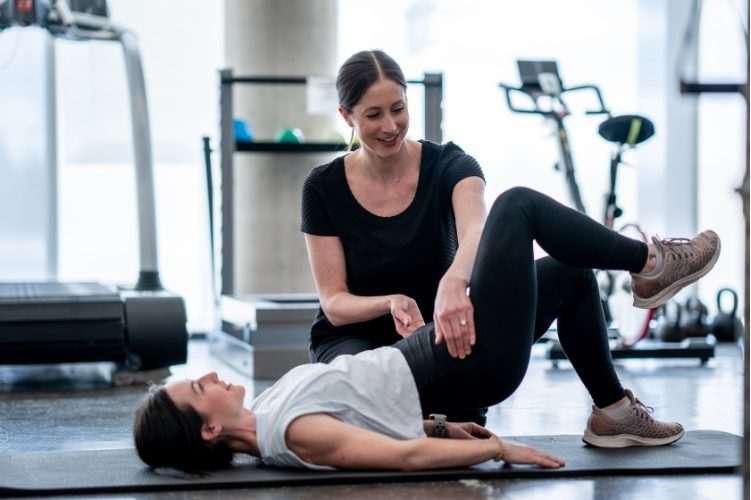
Resilience and emotional strength are essential qualities for navigating lifes challenges and maintaining mental health. Movement, especially when guided through physiotherapy, can significantly enhance these attributes by improving physical well-being and fostering a positive mind-body connection. At YourFormSux (YFS), we specialize in movement-based therapies designed to help clients build lasting emotional resilience.
What Is Emotional Resilience?
Emotional resilience is the ability to adapt to stress, recover from adversity, and maintain psychological well-being in the face of challenges. It involves coping skills, self-awareness, and mental toughness. Building resilience supports better mental health outcomes and reduces vulnerability to anxiety and depression.
The Role of Movement in Developing Resilience
Movement strengthens the body and mind simultaneously. Physiotherapy helps clients develop physical strength, coordination, and balance, which translate into greater confidence and emotional empowerment. Regular movement encourages the brain to produce mood-regulating chemicals like serotonin and dopamine, fostering a positive emotional state.
How Physiotherapy Builds Emotional Strength
YFS physiotherapists design personalized programs that combine physical exercise with mindfulness and breath control. This holistic approach trains clients to remain calm and focused under stress, improving their emotional regulation.
Movement challenges in physiotherapy also teach persistence and discipline, key components of resilience.
Reducing Stress Through Movement
Chronic stress undermines emotional strength. Movement-based physiotherapy reduces stress hormones, lowers heart rate, and activates relaxation responses. These physiological changes make it easier to cope with daily pressures and emotional upheaval.
Enhancing Self-Awareness and Mindfulness
Movement encourages present-moment awareness, helping clients become more attuned to their physical and emotional states. This mindfulness supports early recognition of stress and emotional triggers, enabling proactive management.
Building Routine and Consistency
Developing a regular movement practice through physiotherapy creates structure and routine, which bolster emotional stability. Consistent engagement promotes feelings of control and accomplishment, reinforcing resilience.
Movement as a Tool for Recovery
For those recovering from trauma or mental health setbacks, movement provides a safe and effective way to regain strength and emotional balance. Physiotherapy offers gradual, supported progress tailored to individual needs, building confidence over time.
Integrating Movement with Other Resilience Practices
Physiotherapy complements psychological therapies, meditation, and social support. Together, these practices create a comprehensive resilience-building strategy.
Long-Term Benefits of Movement on Emotional Strength
Sustained movement habits lead to improved mood regulation, reduced anxiety, and greater ability to handle adversity. Clients report feeling more grounded, optimistic, and capable of managing lifes ups and downs.
Conclusion
Movement is a powerful tool for building resilience and emotional strength. Through personalized physiotherapy programs at YourFormSux, individuals develop physical and mental skills that support lasting mental health. Embracing movement helps clients face challenges with confidence, maintain emotional balance, and thrive in daily life.