How Movement Can Help You Manage Mental Health Stress and Anxiety brings new meaning to proactive care. Tap into fresh strategies that promote movement and strength.

Managing stress and anxiety is a critical part of maintaining overall mental health and well-being. While many people turn to medication or talk therapy, movementespecially when combined with physiotherapy techniquescan be a powerful, natural tool to help regulate stress levels and reduce anxiety symptoms. At Your Form Sux, we recognize the importance of movement in mental health management and want to share how incorporating movement into your routine can support a calmer, healthier mind.
Understanding Stress and Anxiety
Stress and anxiety are natural responses to challenging situations. Stress triggers the bodys fight-or-flight response, releasing hormones such as cortisol and adrenaline, which prepare the body to react. When stress becomes chronic or anxiety persists beyond typical situations, it can affect daily functioning and mental well-being. Symptoms include restlessness, difficulty concentrating, irritability, and physical signs like increased heart rate and muscle tension.
How Movement Helps Manage Stress and Anxiety
Movement encourages the release of endorphins, which are natural mood elevators. These chemicals help counteract the effects of stress hormones and promote feelings of relaxation and happiness. Additionally, physical activity stimulates the parasympathetic nervous systemthe rest and digest modehelping to calm the body after stress.
Movement also serves as a distraction from anxious thoughts, allowing the brain to focus on physical sensations instead of worries or negative thinking patterns. This shift can reduce rumination and help individuals regain mental clarity.
Physiological Benefits of Movement for Mental Health
Regular movement increases blood circulation and oxygen flow to the brain, which supports cognitive function and emotional regulation. It also helps regulate the hypothalamic-pituitary-adrenal (HPA) axis, which controls the stress response. By improving HPA axis regulation, movement can reduce cortisol levels and restore hormonal balance, decreasing feelings of anxiety.
Muscle relaxation and improved posture from movement therapy reduce physical tension commonly associated with stress. Tension in muscles can exacerbate feelings of anxiety, so releasing this tension plays a significant role in mental health.
Types of Movement Beneficial for Stress and Anxiety
You dont need to run marathons or lift heavy weights to benefit. Gentle to moderate activities can be highly effective, including:
Walking or light jogging: Helps increase endorphin release without overwhelming the body.
Yoga and stretching: Combines movement with breath control, promoting relaxation.
Tai Chi and Qigong: Mindful movement practices that enhance body awareness and calm the nervous system.
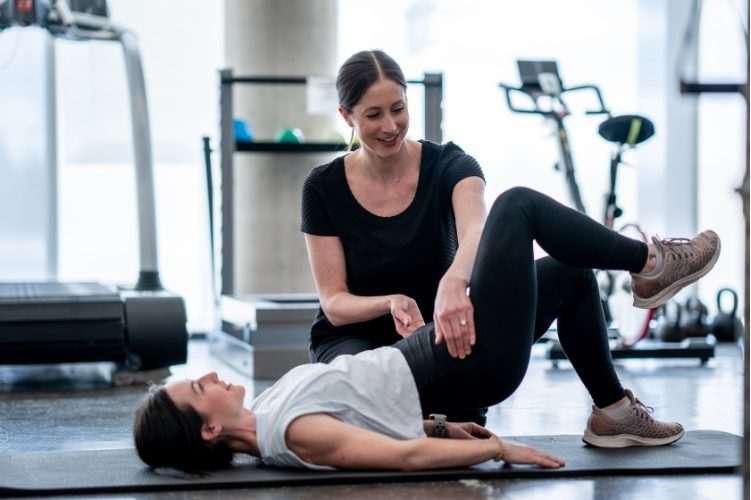
Physiotherapy-guided exercises: Tailored routines that improve mobility and release muscle tension while considering individual needs.
Incorporating Movement Into Your Daily Routine
Creating a sustainable movement routine is key. Start with small, achievable goals, such as a 10-minute walk daily or gentle stretching in the morning. Over time, gradually increase duration and intensity based on your comfort and energy levels.
At Your Form Sux, we recommend consulting with a physiotherapist who can design a movement program tailored to your unique needs, helping you achieve balance in both body and mind.
Movement as a Complement to Other Therapies
While movement alone is beneficial, combining it with other mental health treatments such as cognitive behavioral therapy or medication can amplify positive outcomes. Movement helps prepare the body and brain to engage more effectively in talk therapy by reducing physiological stress.
Final Thoughts
Movement is a powerful, natural way to manage stress and anxiety, supporting mental health recovery and overall well-being. By incorporating movement-based activities into your daily life, you can help regulate your bodys stress response, boost mood, and improve cognitive function. At Your Form Sux, we are dedicated to helping you find the right movement strategies to support your mental health journey.