How Movement Helps Balance Mental Health During Stressful Times brings new meaning to proactive care. Tap into fresh strategies that promote movement and strength.

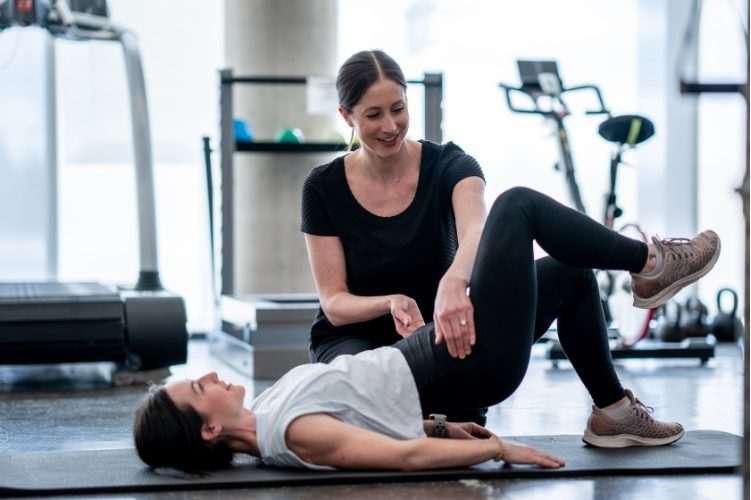
Stress is an inevitable part of life, but how we manage it makes all the difference in our mental health. During periods of heightened stresswhether caused by work, family demands, or unexpected life changesmovement becomes a critical tool for maintaining emotional balance. Physiotherapy, particularly when rooted in nervous system regulation and mindful movement, provides structured support that helps you stay grounded through lifes storms.
At YourFormSux (YFS), we recognize that stress affects every part of the body, not just the mind. Our physiotherapists create movement-based strategies that relieve both physical tension and emotional overwhelm, offering relief that is immediate and sustainable.
The Physiological Effects of Stress
When stress becomes chronic, it triggers a cascade of physiological responses. The sympathetic nervous system is activated, increasing heart rate, tensing muscles, and disrupting digestion and sleep. Over time, this fight or flight response wears down the body and the mind, contributing to anxiety, fatigue, and burnout.
The body doesnt distinguish between emotional and physical stressboth lead to similar tension patterns. Thats why movement plays a crucial role in releasing this tension and restoring nervous system balance. Physiotherapy addresses the physical side of stress, helping reset the system from the bottom up.
Movement as a Stress Regulator
Movement is a natural stress reliever. When done mindfully and intentionallyas in physiotherapyit has the power to:
Regulate breathing patterns disrupted by anxiety
Relieve muscular tightness associated with chronic stress
Improve circulation and oxygen delivery to the brain
Calm the nervous system by shifting it from sympathetic (stress) to parasympathetic (recovery) mode
Through guided exercises, breathing coordination, and gentle mobility work, movement becomes a healing ritual. At YFS, our approach isnt about pushing your limitsits about reconnecting to your body and fostering safety in motion.
How Physiotherapy Helps During Stressful Periods
YourFormSux therapists customize sessions to meet you where you are. If you’re going through a particularly stressful time, the goal isnt performanceits recovery.
Some ways physiotherapy supports you during stress include:
Restorative movement sessions to reduce hyperarousal and anxiety
Postural therapy to address slumping, shoulder tension, and shallow breathing
Breath-focused exercises that anchor the mind in the present moment
Manual therapy to relieve muscular knots and improve relaxation
Somatic re-education to help you feel safer and more grounded in your body
This gentle, body-first approach gives the mind space to recover. As physical symptoms ease, emotional stability follows.
Empowerment Through Movement
One of the biggest challenges during high-stress periods is the feeling of helplessness. Physiotherapy empowers you to take actioneven small movements can reinforce a sense of agency and self-regulation.
Whether its a 10-minute guided stretch, breathing in sync with movement, or walking with better posture, these small acts reinforce that youre not stuck in stressyoure actively participating in your recovery.
Our therapists also educate clients on how to carry this empowerment into everyday life. Simple movement routines, body awareness practices, and daily breathwork rituals become personal tools you can use anytime stress arises.
The Role of Movement in Emotional Resilience
Emotional resilience isnt about avoiding stress; its about recovering from it more efficiently. Regular physiotherapy builds this resilience by training the nervous system to return to balance more quickly after stress responses are triggered.
Over time, clients report:
Better ability to bounce back from emotional challenges
Reduced physical symptoms of stress (headaches, muscle aches, fatigue)
Increased self-awareness and body-mind connection
Improved confidence in managing lifes ups and downs
By incorporating movement therapy into their wellness plan, individuals build a solid foundation for long-term mental healtheven during lifes most challenging moments.
Why This Matters for Torontonians
Torontos fast-paced lifestyle demands mental and physical resilience. With long workdays, high-performance expectations, and constant urban stimulation, stress often goes unaddressed until it becomes a serious health concern.
Physiotherapy offers an accessible, non-invasive solution for stress relief. YourFormSux helps Toronto residents recalibrate through personalized movement strategies designed for both short-term relief and long-term recovery.
Final Thoughts
In stressful times, the body often holds onto emotions the mind cant yet process. Movement helps release those emotions safely, gently, and effectively. Physiotherapy bridges the gap between physical and mental care, empowering you to move through stress with strength and confidence.
At YourFormSux, we believe in the power of movement to restore mental balance. Let our physiotherapists help you navigate stress with more clarity, calm, and controlstarting with your next step.