Spinal injuriesranging from herniated discs and spinal stenosis to more serious spinal co…

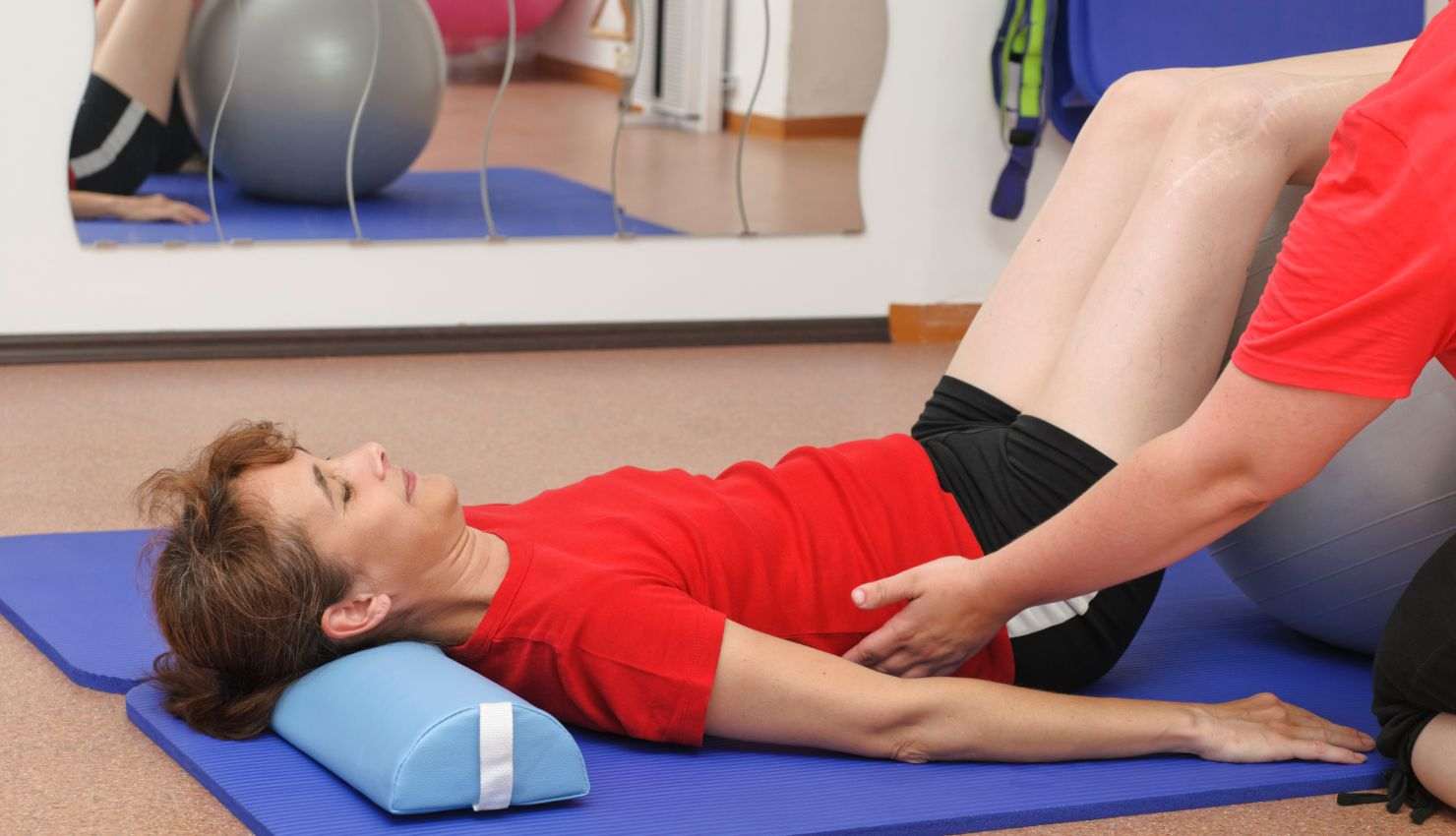
Spinal injuriesranging from herniated discs and spinal stenosis to more serious spinal cord traumacan significantly limit mobility, function, and quality of life. While medical interventions address the structural damage, movement therapy plays a vital role in the recovery process by retraining the body to move safely, restore strength, reduce pain, and improve neuromuscular control. It provides a tailored, progressive approach that supports both physical healing and functional independence.
? Key Goals of Movement Therapy in Spinal Injury Recovery
Reduce pain and stiffness
Restore spinal mobility and stability
Strengthen supporting muscles
Improve coordination and balance
Prevent compensatory movement patterns
Support neurological recovery (if applicable)
?? Benefits of Movement Therapy After Spinal Injury
1. Promotes Spinal Alignment and Mobility
Injuries can lead to postural imbalances or rigidity around the spine. Movement therapy uses:
Gentle spinal mobilization
Cat-cow stretches, pelvic tilts, thoracic rotations
Controlled extension/flexion based on injury type
?? Improves joint spacing, relieves nerve compression, and supports flexibility.
2. Strengthens Core and Stabilizing Muscles
A stable spine needs strong support from the core and back muscles. Therapy includes:
Transverse abdominis and multifidus activation
Gluteal and pelvic floor strengthening
Bracing and anti-rotation drills
?? Helps prevent re-injury and reduces load on damaged spinal segments.
3. Restores Neuromuscular Coordination
In spinal cord injuries or nerve impingement cases, movement therapy helps:
Retrain movement pathways using repetition and sensory feedback
Improve motor control through targeted activation
Use neuroplasticity to rebuild brain-spine-muscle communication
?? Encourages partial or full recovery of voluntary movement.
4. Reduces Muscle Atrophy and Joint Degeneration
After spinal injuries, inactivity can lead to muscle wasting and joint dysfunction. Movement therapy:
Encourages gradual weight-bearing and load-tolerant exercises
Reintroduces functional movement patterns like sitting, standing, and walking
?? Preserves muscle mass and improves circulation for tissue healing.
5. Manages Pain Through Movement-Based Desensitization
Fear of movement (kinesiophobia) often increases chronic pain after spinal trauma. Movement therapy:
Uses graded exposure techniques
Applies mindfulness and breathwork during movement
Incorporates pain education and pacing strategies
?? Decreases pain sensitivity and builds confidence in movement.
?? For Neurological Spinal Injuries
In cases involving spinal cord injury (SCI), movement therapy supports:
Neuro-rehabilitation using task-specific training
Adaptive exercises to stimulate neural pathways
Passive-assisted movement (for incomplete injuries)
Use of gait training tools and body-weight supported systems
?? Promotes improved motor recovery, circulation, and overall function.
????? Sample Movement Therapy Approaches (Post-Spinal Injury)
Stage Goals Techniques
Acute (immobilization phase) Pain control, circulation Gentle ROM, isometrics, diaphragmatic breathing
Subacute Rebuild stability, mobility Pelvic tilts, bridging, scapular retraction, seated balance
Recovery/Functional Functional independence Sit-to-stand drills, walking re-education, core and back strengthening
Long-Term Injury prevention, lifestyle return Functional strength training, posture correction, proprioception work
??? Common Movement Therapy Tools
Stability balls, resistance bands
Balance pads and wobble boards
Wall sliders for spine-safe mobility drills
Aquatic therapy for reduced-impact loading
Neuro-rehabilitation tools (e.g., FES devices, parallel bars)
?? Safety Considerations
All movements should be pain-free or within tolerable range
Avoid spinal compression or twisting early in rehab
Monitor for symptoms like numbness, tingling, or loss of control
Consult with a physical therapist or movement specialist
Ensure movements are tailored to the type and severity of spinal injury
?? Conditions That Benefit from Movement Therapy
Spinal Condition How Movement Therapy Helps
Herniated disc Relieves nerve pressure, improves alignment
Spinal stenosis Enhances posture, reduces nerve impingement
Scoliosis Strengthens stabilizers, improves symmetry
Sciatica Restores hip and lumbar mobility, reduces compression
Post-surgical spinal rehab Rebuilds strength, avoids reinjury
Incomplete spinal cord injury Supports neuro-recovery and function