Recovery after a stroke often involves relearning basic motor skills, rebuilding strength,…

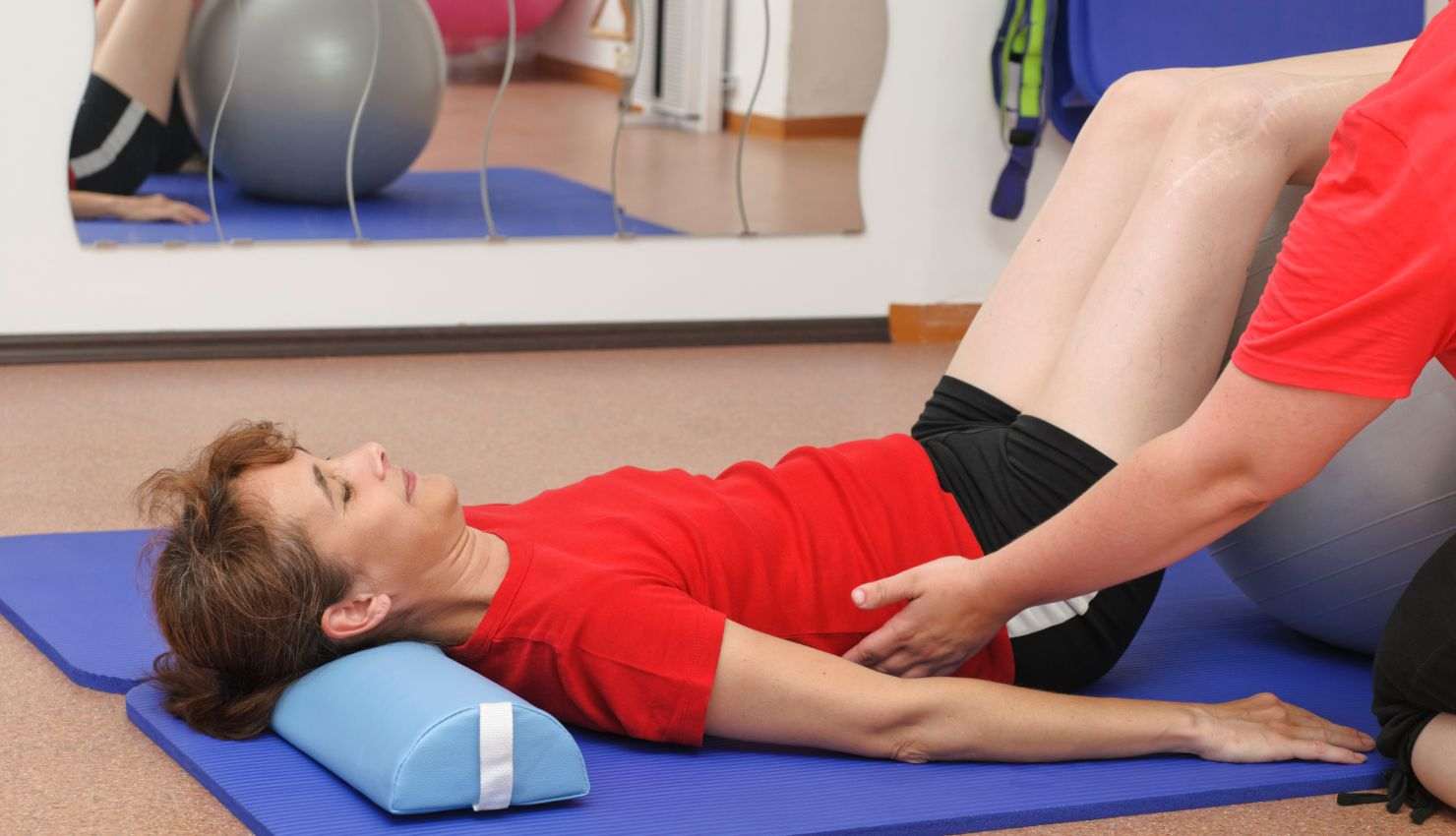
Recovery after a stroke often involves relearning basic motor skills, rebuilding strength, and improving balance, coordination, and movement confidence. Movement therapy is a vital tool in post-stroke rehabilitation, offering a structured, body-centered approach to help survivors restore mobility, retrain the brain, and regain independence.
Unlike traditional exercises that focus only on muscle strength, movement therapy integrates neuroplasticity, functional movement, and mind-body awareness to support healing on both physical and neurological levels.
?? Why Movement Therapy Is Essential After a Stroke
After a stroke, individuals may experience:
Hemiparesis (weakness on one side of the body)
Impaired coordination and balance
Muscle spasticity or stiffness
Loss of fine motor control
Difficulty with walking, standing, or daily activities
Movement therapy addresses these issues by helping the brain form new neural connections (neuroplasticity) and relearn proper movement patterns through repeated, controlled, and meaningful motion.
?? Core Principles of Post-Stroke Movement Therapy
? 1. Neuroplasticity Through Repetition
Gentle, consistent repetition of movement retrains the brain to control affected muscles more effectively.
Examples:
Reaching exercises with the weaker arm
Repetitive walking drills with visual and tactile feedback
Mirror therapy to stimulate brain pathways
? 2. Bilateral Movement Training
Engages both sides of the body to activate cross-hemisphere communication in the brain.
Examples:
Both arms moving in sync (arm circles, ball passes)
Seated leg lifts or tapping both feet alternately
? 3. Balance and Proprioception Restoration
Improves stability and body awareness to reduce fall risk and enhance confidence in standing and walking.
Techniques:
Weight shifting side-to-side (seated or standing)
Tandem stance or step-to-hold drills
Seated balance exercises using a therapy ball
? 4. Motor Planning and Functional Re-education
Helps individuals perform purposeful daily movements like sitting, standing, reaching, or walking.
Examples:
Sit-to-stand transitions with support
Reaching for and grasping objects
Walking short distances with attention to form
? 5. Mind-Body Integration and Breathing
Incorporating breath with movement helps reduce anxiety, relax muscles, and improve coordination.
Practice:
Inhale with preparation, exhale with execution of a movement
Guided breathing during challenging tasks to calm nervous system
?? Sample Movement Therapy Routine for Stroke Rehabilitation (1520 Minutes)
(Designed for those cleared for gentle post-stroke movementcan be modified for seated or standing based on ability.)
Seated posture reset + diaphragmatic breathing (2 mins)
Arm and hand mobility (open-close hands, reach forward) (34 mins)
Leg movement (knee lifts, heel taps, ankle circles) (34 mins)
Weight shifting and balance (chair-assisted or seated) (3 mins)
Slow standing or step transitions (as tolerated) (23 mins)
Cool-down: shoulder rolls, neck mobility, deep breathing (3 mins)
?? Benefits of Movement Therapy After a Stroke
Improves movement quality and control
Enhances neuromuscular coordination
Restores mobility for walking and daily tasks
Reduces spasticity and stiffness
Supports cognitive-motor recovery
Increases independence and confidence
?? Tips for Stroke Survivors in Movement Therapy
Start slow and only with medical clearance
Use support tools (chair, rail, walker) as needed
Focus on precision and control, not speed
Practice consistently but gentlyshort sessions work best
Celebrate small progresseach motion counts