orn ligamentswhether in the knee (ACL, MCL), ankle (ATFL, CFL), wrist, shoulder, or elsew…

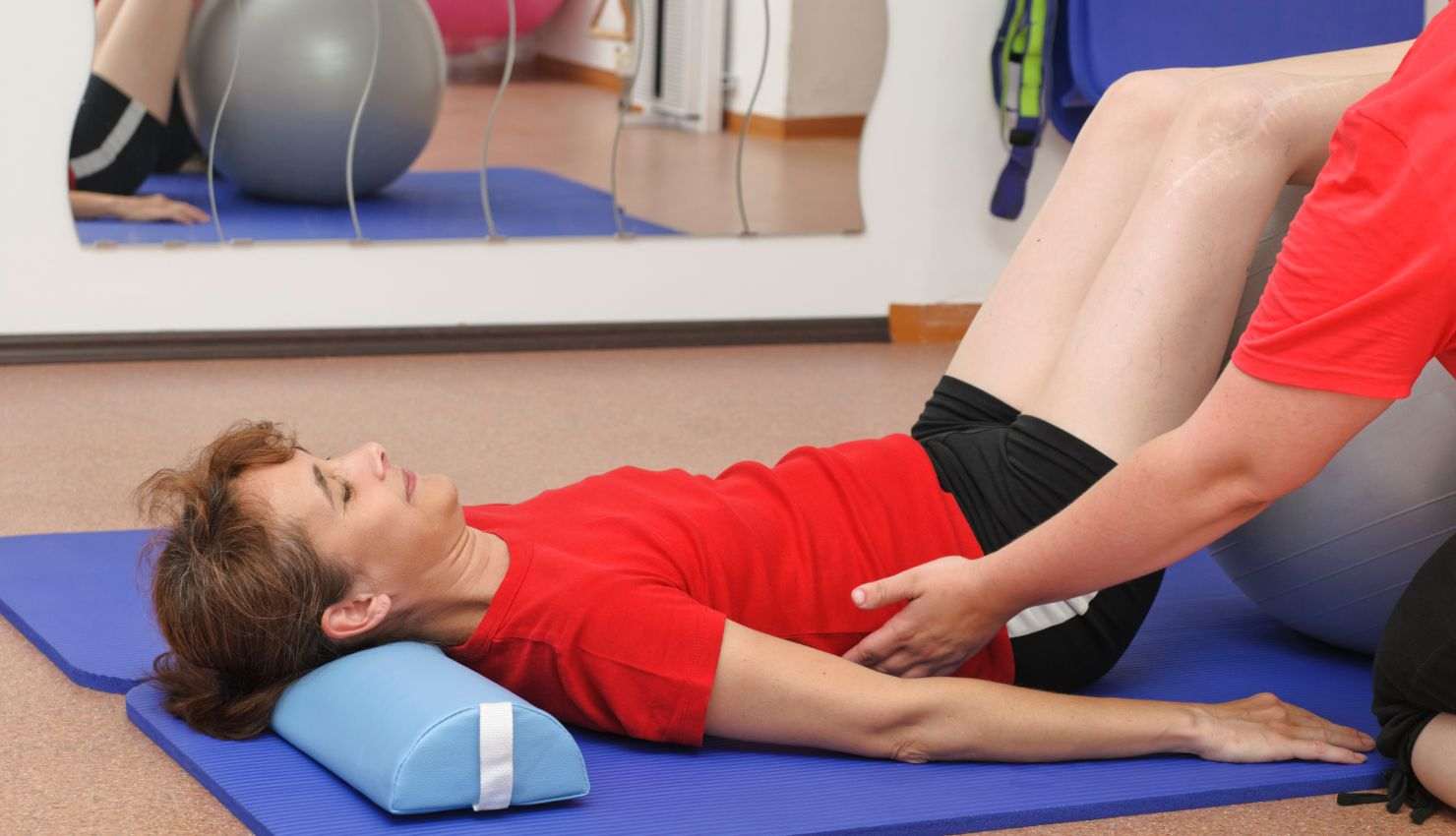
orn ligamentswhether in the knee (ACL, MCL), ankle (ATFL, CFL), wrist, shoulder, or elsewherecan significantly impair joint stability, movement, and daily function. Movement therapy plays a vital role in rebuilding strength, mobility, and neuromuscular control after such injuries, promoting effective and safe recovery whether treated conservatively or post-surgically.
?? Why Movement Therapy Matters for Ligament Healing
Ligaments do not receive as much blood flow as muscles, making them slower to heal. Movement therapy helps:
Stimulate blood circulation to support tissue repair
Prevent joint stiffness and muscle atrophy
Restore strength to surrounding muscles that stabilize the joint
Retrain balance and coordination to reduce re-injury risk
Normalize movement patterns altered by pain or compensation
?? Common Ligament Injuries Benefiting from Movement Therapy
Joint Common Torn Ligaments
Knee ACL, MCL, PCL, LCL
Ankle ATFL, CFL, deltoid ligament
Shoulder Glenohumeral ligament, labrum tears
Wrist Scapholunate, TFCC, UCL
Thumb/Fingers UCL of the thumb (skiers thumb)
?? Movement Therapy Goals in Ligament Rehab
Goal Therapeutic Benefit
Reduce stiffness and pain Restores joint mobility early in recovery
Improve load tolerance Prepares joint to handle stress again
Strengthen supporting muscles Enhances joint stability and reduces stress on the ligament
Retrain proprioception Improves balance, coordination, and injury prevention
Reinforce proper movement Prevents dysfunctional patterns from forming
??? Phases of Movement Therapy in Ligament Rehabilitation
1. Acute Phase (02 weeks post-injury or surgery)
Focus: Protection, inflammation control
Therapy: Passive range of motion (PROM), isometric contractions, gentle joint mobilization (if cleared)
2. Subacute Phase (26 weeks)
Focus: Controlled mobility and beginning strength
Therapy: Active range of motion (AROM), resistance band exercises, bodyweight activities
3. Strengthening Phase (612 weeks)
Focus: Functional strength, dynamic joint control
Therapy: Squats, lunges, bridges (lower limb), rows and presses (upper limb), closed-chain activities
4. Functional and Sport-Specific Phase (36 months+)
Focus: Return to full function or sport
Therapy: Plyometrics, agility drills, proprioception on unstable surfaces, simulated movement tasks
?? Examples of Movement Therapy by Region
Knee (e.g., ACL tear rehab)
Heel slides, wall sits, step-ups, mini squats, single-leg balance, hamstring bridges
Ankle (e.g., lateral ligament sprain)
Ankle ABCs, theraband resistance, calf raises, wobble board training
Shoulder (e.g., labral tear rehab)
Pendulum swings, scapular stabilizations, wall walks, resistance band rows and rotations
Wrist/Hand (e.g., UCL tear)
Wrist circles, grip squeezes, radial/ulnar deviation with bands, fine motor exercises
?? Proprioception and Balance Retraining
Ligament injuries often disrupt the joints ability to sense position and movement. Movement therapy retrains this through:
Balance drills (e.g., single-leg stance, unstable surfaces)
Eyes-closed or perturbation exercises
Sport-specific reactive drills
? Precautions and Tips
Progress slowlyligament healing can take up to 612 months
Avoid aggressive stretching early (especially post-surgical)
Follow protocols from your orthopedic surgeon or physiotherapist
Use braces or taping as advised during early mobility or return-to-play stages
? Summary
Movement therapy is essential in the rehabilitation of torn ligaments by:
Accelerating safe healing
Rebuilding dynamic joint stability
Preventing long-term dysfunction and re-injury
Supporting return to daily activities, work, or sports