How Movement Therapy Benefits Your Core Strength 1. Activates Deep Core Muscles Movement t…

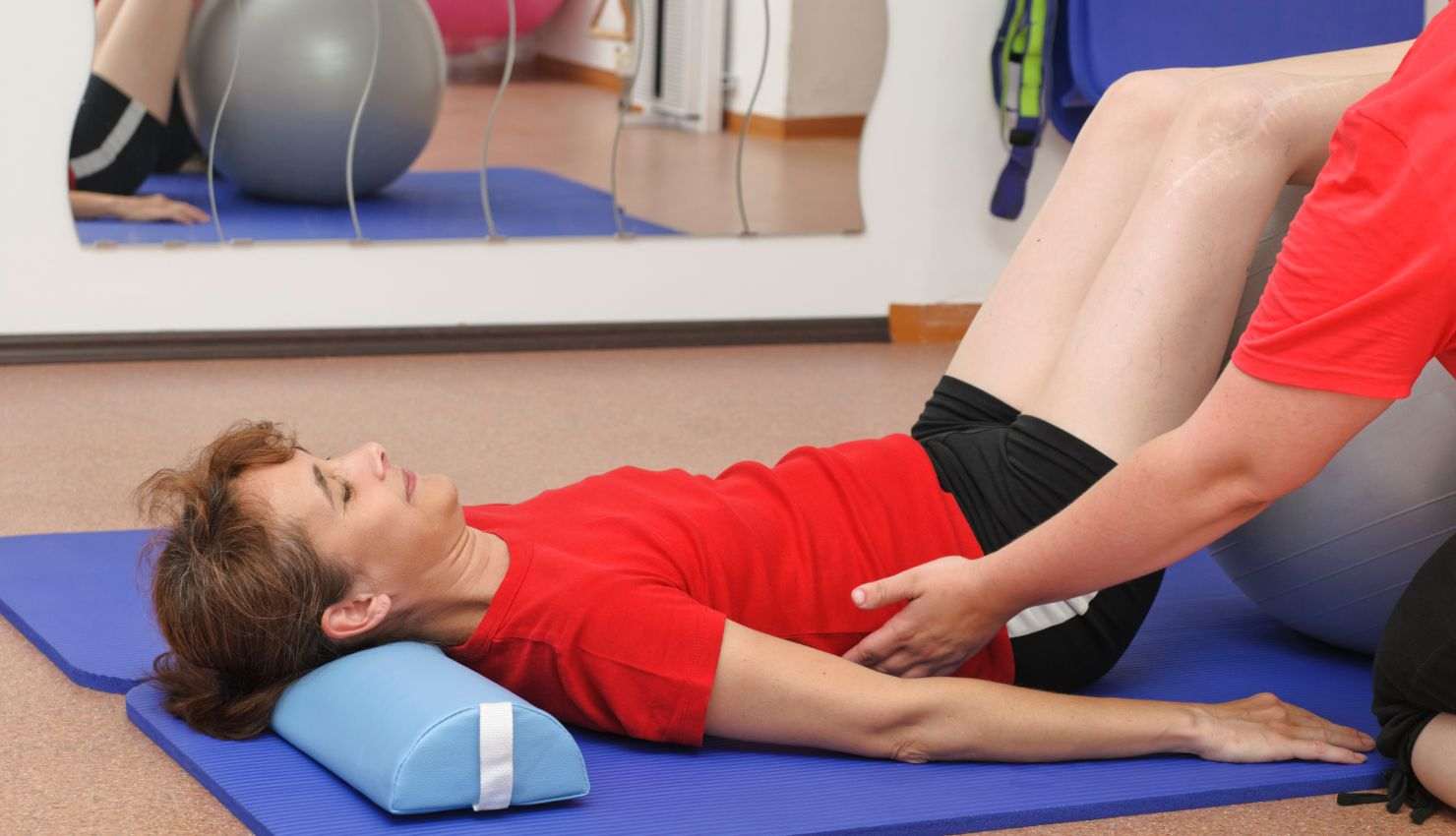
How Movement Therapy Benefits Your Core Strength
1. Activates Deep Core Muscles
Movement therapy focuses on engaging stabilizing muscles like the transverse abdominis, pelvic floor, and multifidus not just surface-level abs.
These muscles provide stability to the spine and pelvis during movement.
Common techniques:
Diaphragmatic breathing
Abdominal bracing
Pelvic tilts
2. Improves Functional Strength
Exercises mimic real-life motions like lifting, twisting, and bending.
Trains your core to support you during daily activities, not just while exercising.
Examples:
Bird-dog
Dead bug
Lunges with torso rotation
3. Enhances Postural Stability
Strong core muscles help maintain upright posture, reducing back and neck strain.
Especially helpful for those with sedentary lifestyles or posture-related pain.
Movement therapy focus:
Scapular retraction drills
Neutral spine training
Standing balance with core engagement
4. Improves Balance and Coordination
Core stability is the foundation for dynamic balance and coordinated movement.
Enhances performance in sports and reduces fall risk in older adults.
Balance-focused movements:
Single-leg stands with trunk control
Standing resistance band twists
Functional reaching tasks
5. Supports Injury Prevention and Rehabilitation
A strong, reactive core reduces stress on joints and the lower back.
Movement therapy is often part of rehab plans for spinal conditions, pelvic instability, and sports injuries.