Flexibility is a foundational component of physical health, yet it’s often overlooked unti…

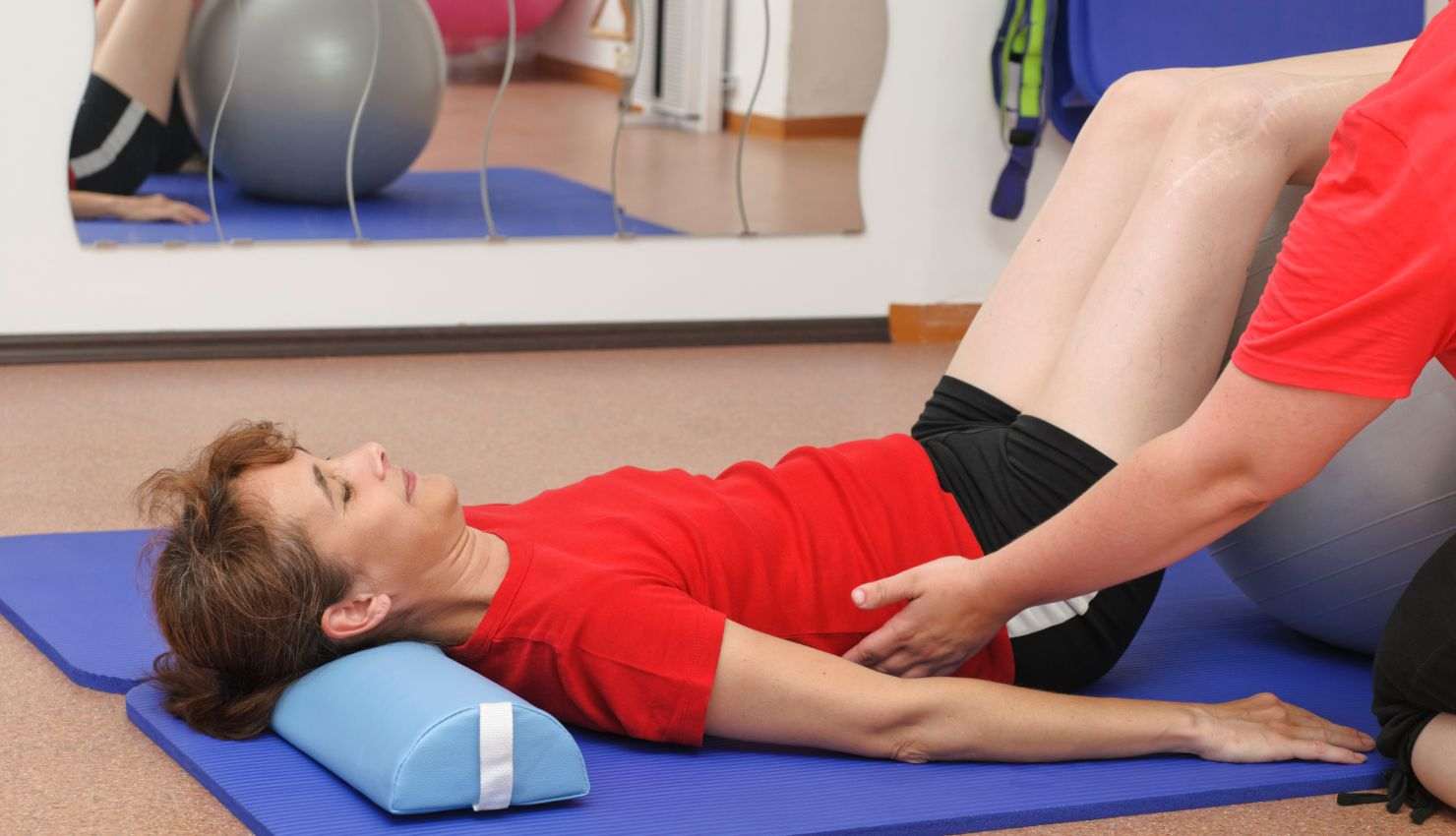
Flexibility is a foundational component of physical health, yet it’s often overlooked until mobility becomes restricted or pain interferes with daily life. For patients seeking to enhance their range of motion, reduce stiffness, and prevent injury, movement therapy offers a safe, evidence-based solution. At Your Form Sux, we prioritize movement therapy not just for injury rehabilitation but as a proactive strategy to improve whole-body flexibility and function.
In this blog, we unpack how movement therapy improves flexibility, why flexibility is essential for long-term musculoskeletal health, and how this treatment fits into a broader physiotherapy framework.
What Is Movement Therapy?
Movement therapy is an active form of physiotherapy that uses guided exercises to improve functional mobility, posture, strength, and flexibility. Unlike passive treatmentssuch as manual therapy or electrotherapymovement therapy requires patient engagement to reinforce motor patterns, increase muscular balance, and optimize joint mechanics.
A movement therapist or registered physiotherapist assesses the patients biomechanics, posture, and range of motion, then prescribes targeted movements that address flexibility deficits and restore optimal mobility.
The Role of Flexibility in Musculoskeletal Health
Flexibility refers to the ability of muscles and connective tissues to lengthen and allow a joint to move through its full range of motion. Poor flexibility leads to compensations, muscle imbalances, joint strain, and eventually pain or injury. For example:
Tight hamstrings can increase the risk of lower back strain
Limited ankle mobility can impair squat depth and gait efficiency
Restricted shoulder motion can reduce functional reach and overhead activity
Improving flexibility doesnt mean just stretching. It requires retraining how your body moves under tension, load, and different planes of motionall core elements of movement therapy.
How Movement Therapy Improves Flexibility
1. Dynamic Mobility Work
Unlike static stretching, movement therapy employs dynamic mobility exercisescontrolled, repeated movements that warm up the muscles and lubricate joints. These drills not only increase tissue extensibility but also activate the nervous system, allowing for safer and more sustainable gains in flexibility.
2. Neuromuscular Re-education
Movement therapy addresses the nervous systems role in restricting motion. Often, muscles arent short because of structural limitations, but because the nervous system perceives danger in certain ranges. By using graded exposure through controlled movement, the brain begins to allow greater range safely.
3. Strength Through Length
True flexibility is not just about being looseits about being strong in lengthened positions. Movement therapy incorporates eccentric strength training, which helps muscles stay engaged while elongating. This builds flexibility that is usable in real-world activities like running, lifting, or climbing stairs.
4. Joint-Specific Mobilizations
Through targeted exercises, movement therapy improves the arthrokinematics (joint movement mechanics) that often limit range. Tight hips, locked thoracic spines, or stiff ankles benefit from active mobilizations, such as deep lunges, hip circles, and rotational drills that unlock deeper ranges over time.
5. Functional Flexibility Integration
Movement therapy doesnt treat flexibility in isolation. It integrates improved range into functional taskssuch as squatting, lunging, reaching, or bendingso your brain recognizes these new ranges as safe, useful, and repeatable in daily life.
Benefits of Improved Flexibility Through Movement Therapy
Reduced Risk of Injury: Flexible muscles and joints handle loads and impact forces more efficiently, minimizing the risk of strains and tears.
Improved Athletic Performance: Flexibility enhances coordination, speed, and movement economy across a wide range of sports.
Better Posture and Alignment: Tight muscles often pull the body out of alignment. Improving flexibility helps restore neutral posture.
Decreased Muscle Tension: Movement therapy reduces unnecessary tension, which can relieve headaches, joint pain, and chronic discomfort.
Enhanced Daily Functionality: Whether its reaching the top shelf, tying your shoes, or gardening, increased flexibility makes life easier and more comfortable.
Who Can Benefit from Flexibility-Focused Movement Therapy?
Office workers with sedentary posture and hip or neck stiffness
Athletes aiming to optimize performance and injury prevention
Seniors managing age-related mobility restrictions
Post-surgical patients looking to restore safe joint motion
People with chronic pain conditions such as fibromyalgia or osteoarthritis
At Your Form Sux, our movement-based physiotherapy programs are tailored to your individual movement limitations, not generic templates. We evaluate your joint health, muscle imbalances, and flexibility constraints to create a precise, functional therapy plan.
What to Expect in a Flexibility-Focused Movement Therapy Session
Comprehensive Mobility Assessment: We’ll evaluate your passive and active range of motion across key joints.
Functional Movement Screening: We observe how your body moves through real-life patterns like squats, lunges, or overhead reach.
Customized Mobility Drills: Youll be prescribed progressive mobility sequences targeting your restricted areas.
Strength in New Ranges: Exercises will include load-bearing drills that help maintain your new-found mobility.
Progress Tracking: We’ll measure range of motion and movement quality over time, adjusting your program as needed.
Final Thoughts: Flexibility Is TrainableWith the Right Strategy
Improving flexibility is not about touching your toes overnight or forcing stretches. Its about training your body to move through greater ranges with confidence, control, and strength. Movement therapy, when guided by a licensed physiotherapist, offers a strategic, results-driven path to unlock flexibility and reclaim physical freedom.
At Your Form Sux, we dont just treat painwe build resilient, mobile, and capable bodies through evidence-based physiotherapy. Ready to move better? Book a consultation today and start your movement therapy journey with Canadas most forward-thinking rehab professionals.