How Movement Therapy Can Help Manage Anxiety and Stress brings new meaning to proactive care. Tap into fresh strategies that promote movement and strength.

Anxiety and stress are among the most common challenges affecting Canadians today, impacting everything from sleep and digestion to productivity and emotional well-being. While traditional treatments such as medication and talk therapy remain valuable, movement therapyparticularly when guided by physiotherapyoffers an effective, drug-free approach to managing symptoms of chronic stress and anxiety. At YourFormSux (YFS), we help individuals tap into their bodys natural healing potential through physiotherapy-based movement designed to calm the nervous system, restore energy, and promote mental clarity.
Understanding the Physiological Roots of Anxiety
Anxiety isn’t just a psychological issueit lives in the body. When you’re anxious, your body enters a hyper-alert state driven by the sympathetic nervous system. This results in rapid breathing, tense muscles, shallow posture, racing thoughts, and a surge of stress hormones like cortisol. Over time, this state of dysregulation can cause fatigue, poor concentration, and chronic pain.
Movement therapy offers a way to disrupt this loop. Through guided physiotherapy, we teach clients how to calm their nervous system and re-establish a sense of control in both body and mind.
How Movement Therapy Works for Anxiety and Stress
Movement therapy uses physical activity to help regulate the bodys stress response. However, unlike random workouts, physiotherapy-guided movement is tailored to your unique nervous system and emotional baseline. By aligning breath, posture, and movement patterns, physiotherapy helps signal safety to the brainreducing the fight-or-flight response and promoting a shift into parasympathetic mode.
At YFS, we integrate movement strategies that target the physical symptoms of anxiety, including:
Breath retraining to reduce hyperventilation
Gentle stretches to release muscle tension
Rhythmic movements that restore a sense of calm
Postural alignment to open the chest and ease breathing
These simple but strategic interventions help clients feel more grounded, focused, and emotionally regulated.
The Breath-Movement Connection
Breathing patterns play a critical role in managing anxiety. Shallow, chest-driven breathing often intensifies anxiety symptoms, while diaphragmatic breath calms the nervous system. Our physiotherapists incorporate breath control into every movement plan, teaching clients how to pair intentional breathing with movement to maximize therapeutic effects.
This synchrony between breath and movement not only soothes stress but also improves oxygen flow to the brain and muscles, enhancing overall vitality and mental clarity.
Empowering the Body to Regulate Emotions
Movement therapy helps build interoceptive awarenessthe ability to sense internal cues like muscle tightness, shallow breathing, or racing heartbeats. By learning to interpret and respond to these signals, clients can proactively manage stress before it escalates. Physiotherapy encourages this awareness through intentional exercises that increase connection between body and mind.
For individuals with anxiety, this awareness is empowering. Instead of feeling trapped by symptoms, they begin to recognize their triggers and apply movement strategies to self-regulate.
Reducing the Effects of Chronic Stress
Chronic stress can cause long-term wear and tear on the body, including inflammation, hormonal imbalance, and sleep disruption. Our physiotherapy sessions focus on restorative movement that reduces physical tension and supports long-term nervous system recovery.
Even small, consistent routinessuch as a daily 10-minute stretch or guided mobility flowcan shift the body out of chronic stress mode and back into a more balanced rhythm. This, in turn, enhances mood, sleep quality, and emotional resilience.
Creating a Safe and Sustainable Routine
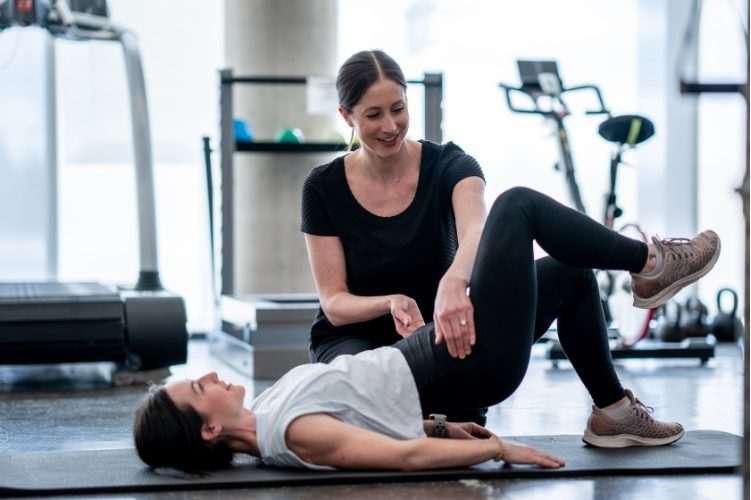
At YFS, we emphasize safety, sustainability, and support. Our physiotherapists create movement programs that match your current capacity and goals, whether you’re new to exercise or returning after a long break. We avoid overwhelming routines that can trigger perfectionism or exhaustion, focusing instead on progressive steps that feel achievable and empowering.
Sessions may include:
Grounding exercises for panic episodes
Mobility drills for stiff joints and stress-induced pain
Breath-led stretching for nervous system reset
Core engagement for stability and posture
Each session is designed not just for physical improvement, but also for emotional regulation and stress relief.
Movement Therapy for All Mental Health Levels
Whether you’re managing occasional stress or living with generalized anxiety disorder, movement therapy through physiotherapy offers scalable benefits. It can complement existing mental health treatments or serve as a standalone support strategy. Our programs at YFS are suitable for adults, seniors, and even adolescents navigating stress and emotional tension.
The YFS Advantage
At YourFormSux, we blend modern physiotherapy with nervous system education, trauma-informed care, and personalized goal-setting. This holistic approach ensures that each client receives care that supports both their mental and physical health. Movement becomes more than just a fitness goalit becomes a strategy for balance, relief, and renewal.
Final Thoughts
Managing anxiety and stress doesnt always require drastic changes or complex tools. Sometimes, it starts with movement. Through physiotherapy-guided exercises, you can retrain your nervous system, reduce tension, and build emotional resilienceone breath and one step at a time. At YFS, we help you move through your stress, not just live with it. Because when you move with intention, healing follows.