Movement therapy is a targeted approach that can effectively strengthen the hip flexors, w…

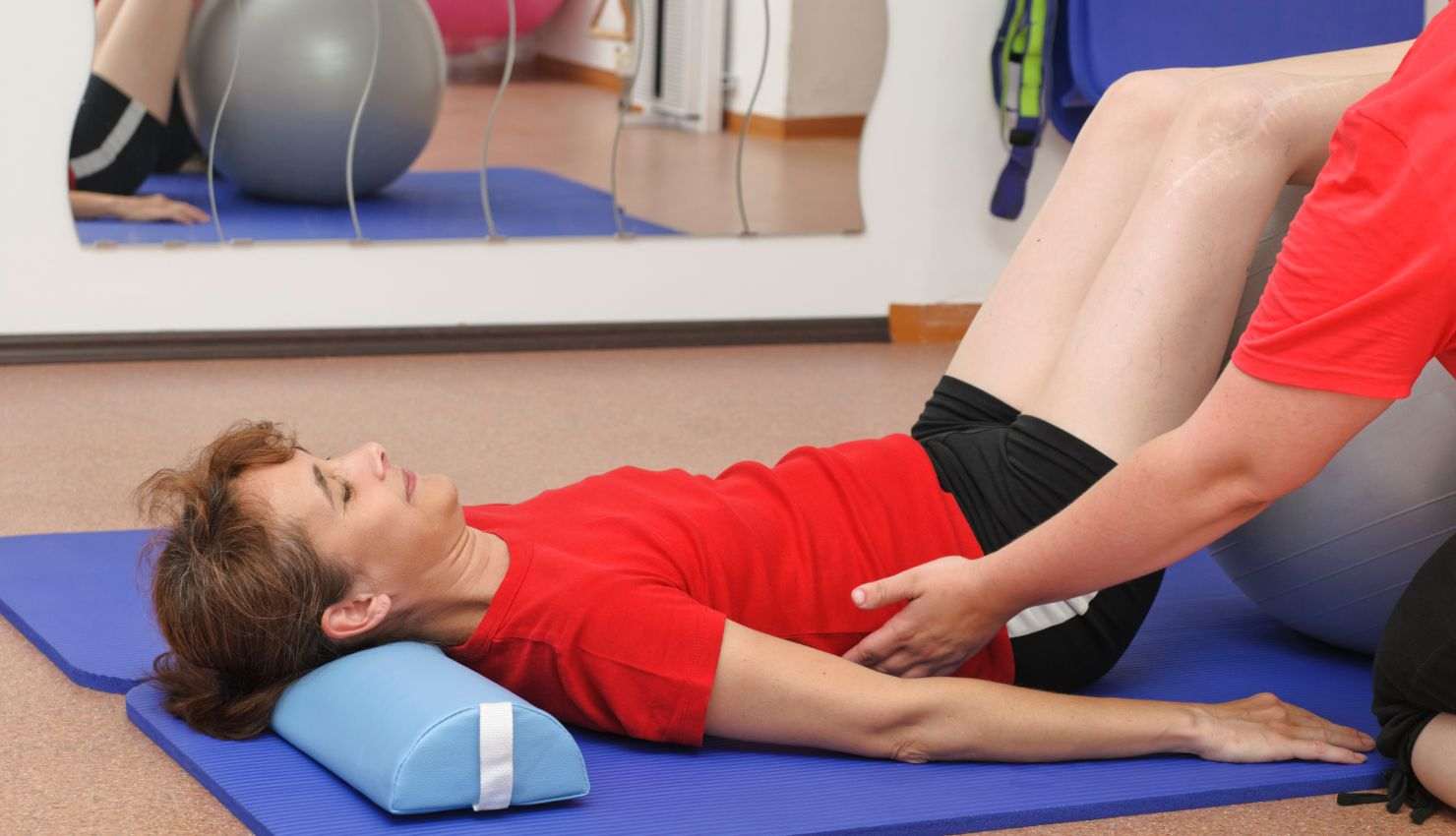
Movement therapy is a targeted approach that can effectively strengthen the hip flexors, which play a crucial role in walking, running, climbing stairs, and maintaining pelvic and spinal alignment. Weak or underactive hip flexors can lead to lower back pain, poor posture, limited mobility, and a higher risk of injury. Through controlled, progressive movement techniques, movement therapy enhances hip flexor strength, stability, and function.
?? Why Hip Flexors Matter
The hip flexors are a group of musclesincluding the iliopsoas, rectus femoris, sartorius, and tensor fasciae lataethat enable the lifting of the thigh toward the torso. These muscles are critical for:
Walking and running
Climbing stairs or hills
Sitting and standing transitions
Maintaining proper pelvic alignment
Stabilizing the spine during movement
?? Signs of Weak or Dysfunctional Hip Flexors
Anterior pelvic tilt or lumbar lordosis
Tightness or discomfort in the hips or lower back
Difficulty lifting the leg or climbing stairs
Poor posture and gait abnormalities
Instability in balance or during single-leg tasks
? How Movement Therapy Strengthens Hip Flexors
Therapeutic Strategy Benefit
Targeted activation exercises Re-engage underused or dormant hip flexor muscles
Controlled resistance training Gradually builds strength without overloading the joint
Postural correction Improves pelvic and spinal alignment for effective activation
Mobility + flexibility pairing Balances strength with range of motion for smoother movement
Functional integration Reinforces strength in real-life movement patterns
?? Effective Movement Therapy Exercises for Hip Flexor Strength
?? 1. Isometric Hip Flexor Holds
How to do it: Sit or lie on your back, lift one leg to 90°, and hold it there.
Purpose: Builds endurance and activation in the iliopsoas and rectus femoris.
?? 2. Marching Drills
Variations: Supine marching, resistance band marching, or standing high knees.
Purpose: Activates hip flexors in a functional, rhythmic pattern.
?? 3. Straight-Leg Raises
How to do it: Lie down, keep one leg bent and lift the other straight leg up.
Purpose: Isolates the hip flexor while stabilizing the core.
?? 4. Resistance Band Hip Flexion
How to do it: Anchor a band behind you, wrap it around your foot, and drive the knee forward.
Purpose: Strengthens through a full range with controlled resistance.
?? 5. Step-Up with Knee Drive
How to do it: Step onto a platform and drive the opposite knee up toward the chest.
Purpose: Combines balance, core control, and hip flexor strength.
?? Movement Therapy Considerations
Warm up the hips before strengthening with gentle dynamic stretches.
Incorporate core stabilization (e.g., dead bug or bird-dog) to prevent compensation.
Use slow, controlled movement to ensure correct muscle engagement.
Pair strength work with hip mobility drills to prevent tightness and imbalance.
Include unilateral (single-leg) exercises to develop balanced strength.
?? Sample Weekly Routine (Beginner Level)
Day Exercise Focus Examples
Monday Activation & Isometrics Isometric holds, supine marches
Wednesday Strength & Resistance Band hip flexions, straight-leg raises
Friday Functional Movements Step-ups with knee drive, standing marches
Daily Mobility & Stretching Hip openers, dynamic lunges, hip circles
?? Benefits of Strengthening Hip Flexors with Movement Therapy
Physical Gains Functional Improvements
Improved pelvic control Easier walking, running, and stair climbing
Reduced lower back stress Better posture and spinal stability
Enhanced leg lift and stride More efficient gait and reduced fall risk
Greater hip mobility and balance Improved athletic and everyday performance
?? Best For Individuals Who:
Experience tight hips or low back discomfort
Are recovering from hip or pelvic injuries
Are athletes needing stronger strides and balance
Sit for long periods (desk workers, drivers, etc.)
Want to improve core strength and lower body coordination