Soft tissue injuriessuch as strains, sprains, tendinitis, and muscle tearscan significan…

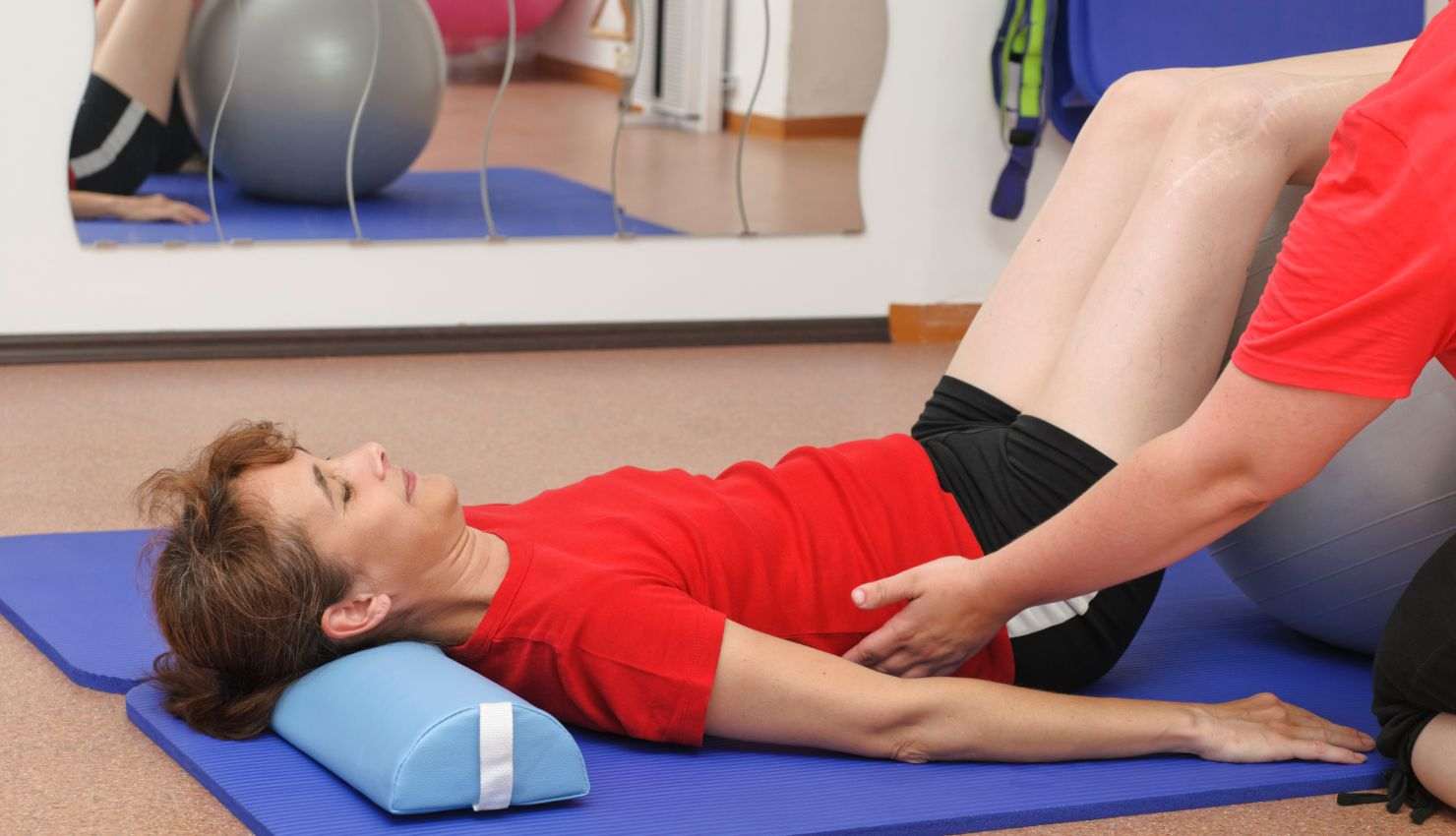
Soft tissue injuriessuch as strains, sprains, tendinitis, and muscle tearscan significantly affect mobility, function, and quality of life. Movement therapy provides a safe, progressive, and evidence-based approach to accelerate healing by improving circulation, restoring function, and preventing secondary complications like stiffness, weakness, and re-injury.
?? What Are Soft Tissue Injuries?
Soft tissue injuries affect muscles, ligaments, and tendons, often caused by:
Sudden trauma (e.g., falls, twists, direct impact)
Overuse or repetitive motion
Poor biomechanics or muscle imbalances
Common soft tissue injuries:
Muscle strains (e.g., hamstring pull)
Ligament sprains (e.g., ankle sprain)
Tendon injuries (e.g., Achilles tendinitis)
Contusions (bruising)
?? How Movement Therapy Accelerates Healing
Healing Phase Movement Therapy Role
Acute (072 hours) Gentle motion reduces swelling and prevents stiffness
Subacute (314 days) Light, pain-free mobility promotes tissue remodeling
Remodeling (2+ weeks) Progressive loading strengthens tissue and restores function
Movement therapy respects each phase of healing while gradually reintroducing safe, functional movement to stimulate repair without reinjury.
? Key Benefits of Movement Therapy for Soft Tissue Recovery
Benefit Explanation
Improved circulation Delivers oxygen and nutrients, removes waste from injured area
Restored range of motion Prevents joint stiffness and muscle shortening
Reactivation of muscles Maintains neuromuscular control and prevents atrophy
Reduced inflammation and pain Movement helps flush out inflammatory chemicals
Enhanced tissue remodeling Gentle loading helps realign collagen fibers for stronger repair
Prevention of compensation patterns Encourages balanced, efficient movement
????? Movement Therapy Techniques by Stage
?? Early Stage (03 days post-injury)
Gentle active-assisted range of motion (AAROM)
Isometric holds (low load, pain-free)
Elevation, compression + movement combo
? Goal: Reduce swelling and maintain joint mobility without stress.
?? Subacute Phase (314 days)
Controlled, pain-free active ROM
Low-resistance mobility (bands, light weights)
Balance and proprioception exercises (e.g., single-leg stands)
Soft tissue massage and myofascial release
? Goal: Begin light loading to support tissue repair and avoid adhesions.
?? Remodeling Phase (26 weeks and beyond)
Progressive strengthening (eccentric/concentric)
Functional movement training (e.g., lunges, step-ups, pushing/pulling)
Agility and coordination drills
Stretching + dynamic warm-ups
? Goal: Restore full function, prepare for return to sport or daily activities.
?? Example: Weekly Movement Therapy Plan (Post-Strain)
Day Focus Sample Activities
Monday Mobility & Light Activation AAROM, quad sets, heel slides
Tuesday Light Strength + Balance Resistance band kicks, single-leg stance
Wednesday Restorative Flow Stretching, foam rolling, gentle yoga
Thursday Strength + Functional Movement Step-ups, glute bridges, resisted side-walks
Friday Coordination + Stability Cone drills, wobble board, agility ladder
?? Guidelines for Safe Recovery
Avoid pain-inducing movements early on
Progress exercises gradually in intensity and complexity
Monitor for swelling, warmth, or increased painindicators of overuse
Combine movement therapy with manual therapy, ice/heat, and rest as needed
Consult with a physical therapist for supervised recovery of moderate to severe injuries
?? Long-Term Recovery Outcomes
With Movement Therapy Without Movement Therapy
Faster return to normal function Prolonged stiffness and weakness
Lower risk of reinjury Higher likelihood of chronic pain or setbacks
Better mobility, strength, and coordination Loss of confidence in the injured area
Improved body awareness and injury prevention Persistent compensatory patterns