Movement therapy is a targeted approach using controlled, functional movement to restore a…

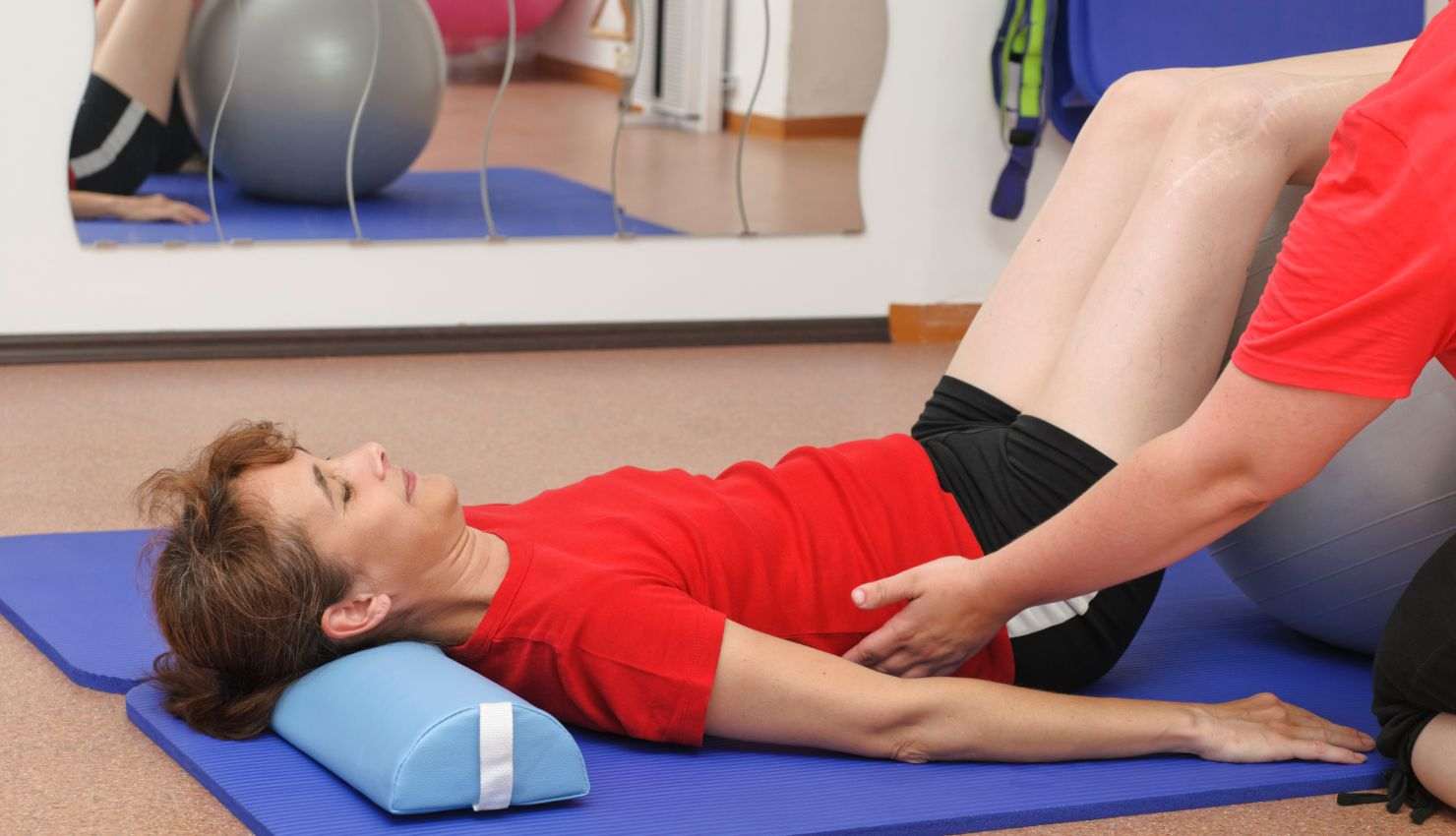
Movement therapy is a targeted approach using controlled, functional movement to restore and enhance the bodys natural healing process. Its commonly used in rehabilitation, athletic recovery, and injury prevention.
?? How It Supports Joint and Muscle Recovery
? 1. Boosts Blood Flow and Circulation
Gentle movement promotes circulation, helping deliver oxygen and nutrients to damaged tissues. This speeds up healing in both muscles and joints while flushing out waste and inflammation.
? 2. Reduces Stiffness and Restores Mobility
Therapeutic exercises keep joints and muscles moving safely, preventing stiffness and joint locking. Regular movement also maintains joint lubrication through the production of synovial fluid.
? 3. Minimizes Muscle Atrophy
After injury or immobilization, muscles weaken quickly. Movement therapy activates these muscles in a safe, progressive way to maintain strength and prevent wasting.
? 4. Rebuilds Range of Motion
Guided mobility exercises help restore full joint movement after surgery, strain, or inflammation, preventing long-term limitations.
? 5. Improves Muscle Coordination
Movement therapy retrains the nervous system, improving coordination between muscles and joints, which is often disrupted after injury or periods of disuse.
? 6. Prevents Compensation Injuries
By addressing imbalances and faulty movement patterns, it reduces the risk of overloading other joints or muscles during the healing process.
?? Common Techniques in Movement Therapy
Goal Examples Recovery Benefit
Mobility Restoration Controlled Articular Rotations (CARs), cat-cow stretch Restores joint movement
Muscle Activation Isometric contractions, resistance band work Re-engages weak muscles
Pain Relief Gentle dynamic stretches, diaphragmatic breathing Reduces tension and inflammation
Functional Strength Glute bridges, wall sits, step-ups Builds strength around healing areas
Balance & Stability Single-leg stance, stability ball drills Protects joints, improves control
?? Sample Recovery-Focused Routine (15 Minutes)
Warm-Up (35 min)
Leg and arm swings
Hip circles
Neck rolls
Mobility + Stretching (5 min)
Shoulder CARs
Seated hamstring stretch
Thoracic rotation stretch
Muscle Activation (5 min)
Bird-dog (2×10 reps)
Mini-band lateral walks (2 sets)
Glute bridge hold (3×15 sec)
Cooldown & Breathwork (2 min)
Deep belly breathing
Gentle forward fold
?? Benefits Over Time
Faster and safer healing
Stronger muscles and more flexible joints
Reduced chronic pain and stiffness
Better movement mechanics and posture
Lower risk of re-injury