How Movement Therapy Enhances Neurological Rehabilitation Why Movement Therapy Is Vital in…

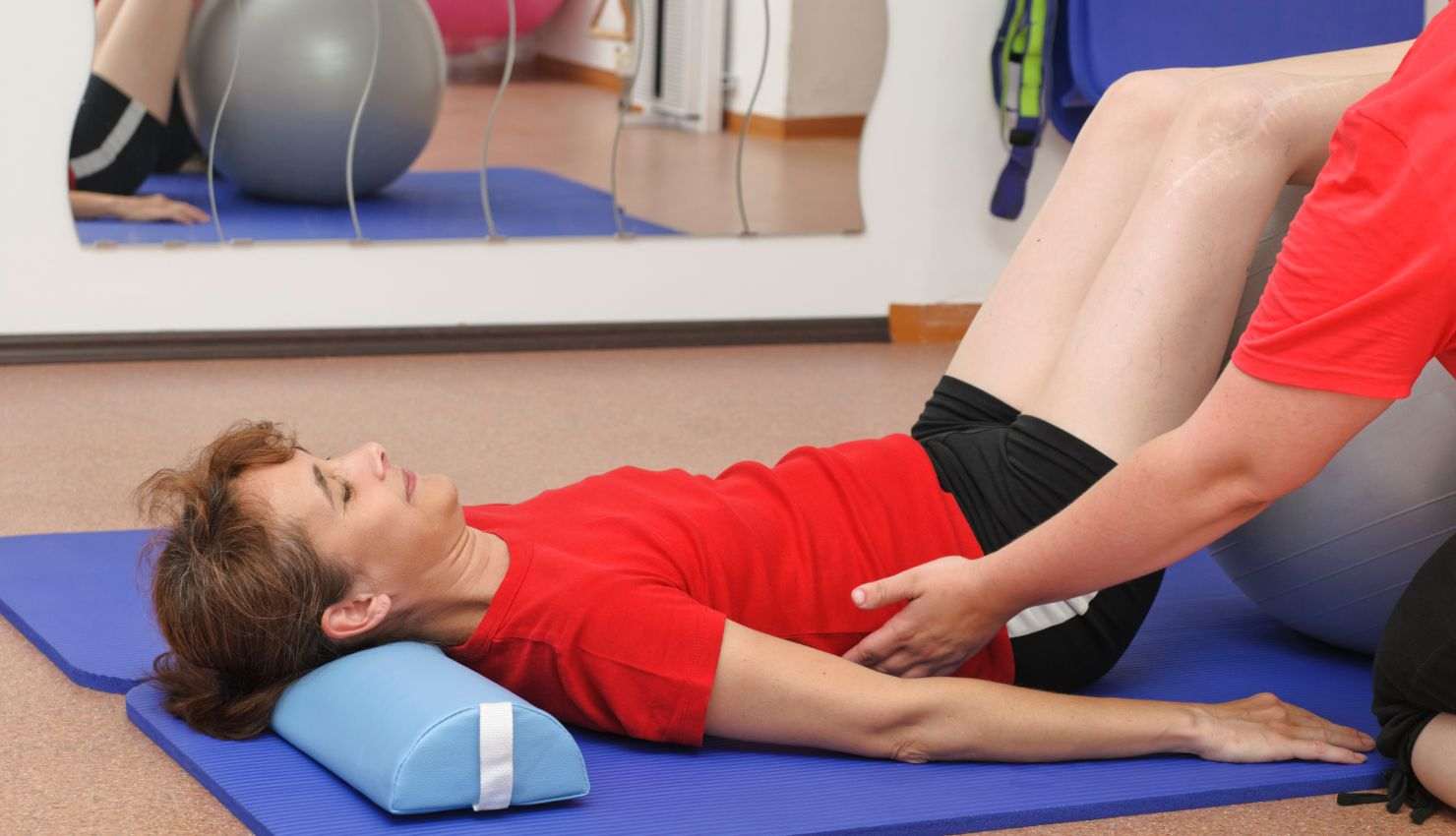
How Movement Therapy Enhances Neurological Rehabilitation
Why Movement Therapy Is Vital in Neurological Rehab:
Neurological conditions (e.g., stroke, Parkinsons, spinal cord injury) affect motor control, coordination, and muscle strength.
Movement therapy helps retrain the nervous system to restore function and improve quality of life.
Key Ways Movement Therapy Supports Neurological Rehab:
1. Promotes Neuroplasticity
Encourages the brain and spinal cord to reorganize and form new neural connections.
Repetitive, task-specific movements help rewire damaged pathways.
2. Improves Motor Control and Coordination
Enhances voluntary muscle activation and timing.
Helps reduce spasticity and involuntary movements.
3. Restores Functional Mobility
Focuses on practical movements like walking, reaching, and balance.
Improves independence in daily activities.
4. Enhances Sensory Integration
Combines movement with sensory input to improve body awareness.
Improves balance and posture through proprioceptive training.
5. Builds Strength and Endurance
Strengthens weakened muscles to support functional tasks.
Improves cardiovascular fitness, reducing fatigue.
Common Movement Therapy Techniques in Neurological Rehab
Technique Purpose
Task-specific training Improves skill and function in targeted activities
Balance and gait training Restores walking ability and stability
Strength training Builds muscle strength for mobility
Constraint-induced movement therapy Encourages use of affected limbs
Sensory re-education Enhances proprioception and tactile feedback
Sample Neurological Movement Therapy Activities
Sit-to-stand practice
Assisted walking or treadmill training
Reaching and grasping exercises
Balance board or foam pad exercises
Rhythmic movement patterns (e.g., stepping, cycling motions)
Tips for Effective Neurological Rehabilitation with Movement Therapy:
Start with simple, repetitive movements.
Gradually increase complexity and resistance.
Work closely with a neurologist or neuro-physical therapist.
Be patientneurological recovery can take time.