Movement therapy is a powerful, science-backed approach that can significantly accelerate…

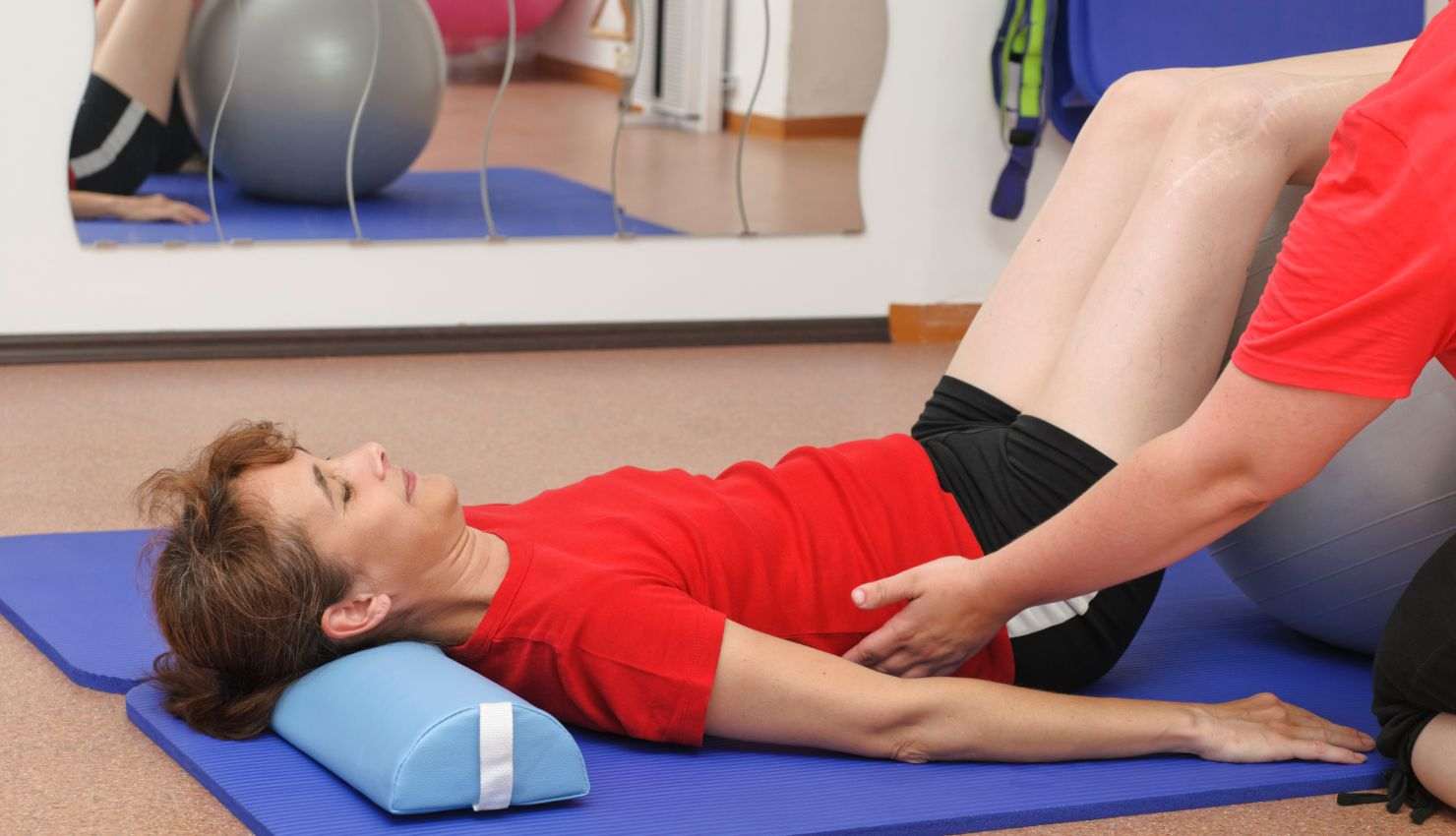
Movement therapy is a powerful, science-backed approach that can significantly accelerate your recovery after injury, surgery, or physical stress. Instead of relying solely on rest, movement therapy uses safe, intentional exercises to stimulate healing, reduce pain, and restore functionoften shortening total recovery time.
Whether you’re recovering from surgery, a musculoskeletal injury, or general fatigue, movement therapy keeps your body engaged in healing, improves circulation, and retrains your neuromuscular systemall of which lead to faster and more complete recovery.
?? The Science Behind Faster Recovery
Healing Mechanism Movement Therapys Role
Circulation & oxygen delivery Increases blood flow to injured areas for faster tissue repair
Lymphatic drainage Helps remove cellular waste and reduces inflammation
Neuromuscular reactivation Prevents muscle atrophy and maintains functional movement
Tissue remodeling Encourages aligned collagen growth, reducing scar formation
Joint lubrication Keeps joints nourished and mobile to avoid stiffness
Pain modulation Triggers endorphin release and reduces pain perception
?? Key Benefits of Movement Therapy on Recovery Time
Benefit Impact on Recovery
Promotes active healing Prevents stagnation and speeds tissue repair
Reduces secondary complications Less joint stiffness, muscle tightness, or compensation
Supports early mobility Safely reintroduces movement without damaging healing tissue
Enhances confidence in movement Reduces fear and improves participation in recovery
Decreases overall downtime Speeds return to normal function or athletic performance
?? Recovery Phases + Movement Therapy Focus
Phase Therapy Goal Example Activities
Acute (03 days) Protect, reduce swelling Breathing, gentle ROM, ankle pumps
Subacute (310 days) Restore range and light strength Isometrics, active assisted movement
Rebuilding (10+ days) Strengthen and re-pattern Controlled stretching, resistance bands
Functional (weeks+) Return to activity Balance, coordination drills, movement training
????? Sample Recovery-Boosting Routine (General Use 10 Minutes)
Deep diaphragmatic breathing 12 minutes
Reduces tension and boosts oxygen flow
Gentle joint mobility (neck, shoulders, hips, ankles) 5 minutes
Keeps joints nourished and flexible
Isometric holds (glutes, quads, core) 12 minutes
Maintains muscle activation safely
Foam rolling or self-massage 23 minutes
Improves circulation and lymph flow
?? Recovery Tips for Maximum Effectiveness
Progress gradually Match movement intensity to the healing phase
Avoid pain Discomfort is okay, sharp pain is not
Stay consistent Daily gentle movement is more effective than sporadic intense sessions
Stay hydrated and nourished Supports tissue regeneration
Listen to your body Modify exercises based on how you feel
? Summary: Why Movement Therapy Works
Movement therapy enhances recovery by:
Activating natural healing pathways
Preserving muscle and joint health during rest
Improving circulation, mobility, and nervous system regulation
Preventing setbacks caused by immobility or compensatory patterns
By introducing the right kind of movement at the right time, you create ideal conditions for your body to heal faster, stronger, and smarter.