How Movement Therapy Helps Manage Mental Health Stress and Anxiety brings new meaning to proactive care. Tap into fresh strategies that promote movement and strength.

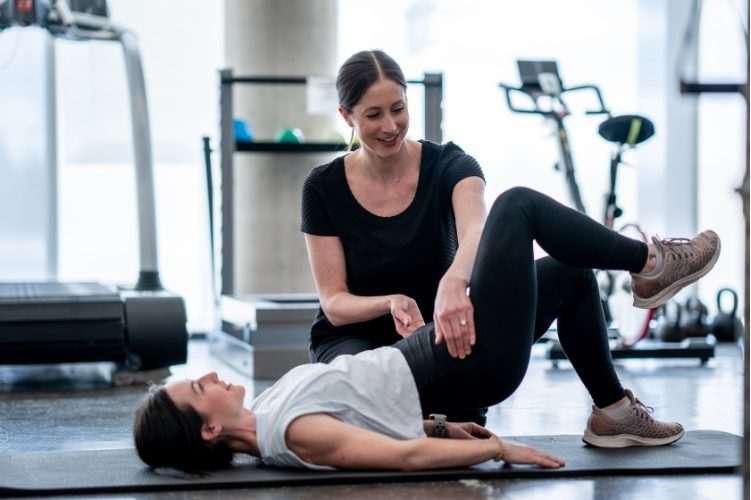
Stress and anxiety are among the most common mental health challenges faced today, often impacting both emotional well-being and physical health. While talk therapy and medication are helpful for many, movement therapy is emerging as a powerful, non-invasive approach to support the management of stress and anxiety. At YourFormSux (YFS) in Canada, physiotherapy is used to guide movement in ways that calm the nervous system, ease physical tension, and promote emotional balance.
The Physical Effects of Stress and Anxiety
Stress and anxiety dont just live in the mindthey are felt in the body. Common symptoms include:
Muscle tightness, especially in the shoulders, neck, and back
Shallow or rapid breathing
Digestive discomfort
Restlessness or jitteriness
Sleep disruption and fatigue
Over time, these physical symptoms can intensify mental strain, creating a cycle thats hard to break. Movement therapy offers a way out of that cycle by addressing the physiological effects of stress and calming the body directly.
How Movement Therapy Works
Movement therapy involves structured physical activity designed to support both physical function and emotional well-being. Under the guidance of a physiotherapist at YFS, movements are chosen not just for muscular benefits, but for their impact on mood, nervous system regulation, and emotional resilience.
The focus is not on intensity or athletic performance but on breath, awareness, and control. This approach makes movement therapy ideal for people living with chronic stress, anxiety disorders, or burnout.
Calming the Nervous System Through Movement
One of the most important benefits of movement therapy is its ability to shift the body out of fight or flight and into rest and digest. This shift is controlled by the autonomic nervous system, and movement is one of the fastest ways to influence it.
At YFS, physiotherapists use:
Breath-synchronized exercises to slow the heart rate and quiet the mind
Gentle mobility routines to release tension held in joints and muscles
Postural alignment techniques to improve energy flow and breathing efficiency
Balance work to increase physical and emotional grounding
These practices give the brain a signal that it is safe, which naturally reduces stress levels and calms anxiety.
Releasing Tension to Ease the Mind
When the body holds tension, the mind struggles to relax. Movement therapy helps release tightness in key areas where stress is storedlike the neck, back, hips, and shoulders. As the body loosens, clients often report a decrease in mental noise, irritability, and emotional reactivity.
This is especially helpful for people who experience chronic tension or who carry emotional stress physically without realizing it.
Building Emotional Awareness Through Movement
Movement therapy also builds awareness. Physiotherapy encourages clients to observe how they feel in their body before and after movement. This mindfulness helps individuals tune into emotional shifts and understand the relationship between stress and physical sensations.
Over time, this awareness helps clients manage their own stress more effectively by recognizing early signs and using movement as a proactive intervention.
Creating a Consistent Stress-Relief Routine
Routine is critical in managing mental health. Movement therapy gives individuals a structure they can rely ona regular time to reconnect with their body, discharge stress, and restore calm. At YFS, clients benefit from personalized movement plans that are safe, sustainable, and easy to incorporate into daily life.
As the routine becomes habitual, it creates a sense of stability that supports long-term emotional regulation.
Safe, Personalized Support for Anxiety Relief
Each persons experience with stress and anxiety is unique. Thats why physiotherapy at YourFormSux is tailored to individual needs. Whether you’re dealing with panic attacks, chronic stress, workplace burnout, or emotional overwhelm, your treatment plan is designed to meet you where you are.
Physiotherapists work gently, building trust through movement, and helping you feel supported every step of the way.
Final Thoughts
Movement therapy is a transformative way to manage stress and anxiety without medication or intense intervention. By working with your bodynot against itthis approach helps regulate your nervous system, ease tension, and restore emotional calm. At YourFormSux, physiotherapy is more than physical careits a holistic strategy for mental clarity, balance, and resilience. If youre ready to manage anxiety in a new and empowering way, movement may be the therapy youve been looking for.