Active individualswhether athletes, fitness enthusiasts, or manual workersare frequently…

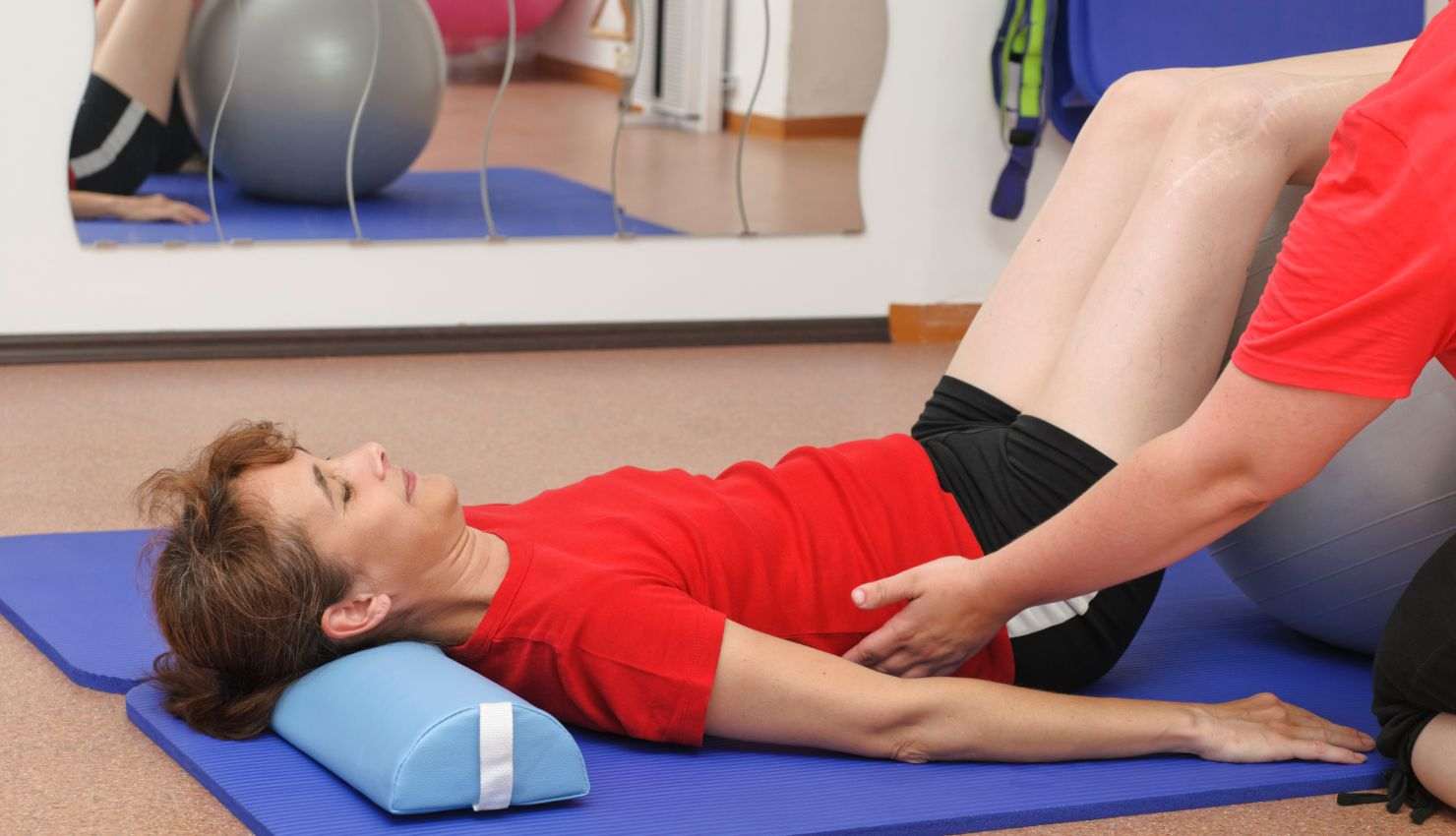
Active individualswhether athletes, fitness enthusiasts, or manual workersare frequently exposed to repetitive stress, dynamic movements, and sudden physical demands. Movement therapy plays a critical role in injury prevention by improving how the body moves, balances, and responds to physical challenges. It focuses on correcting movement patterns, enhancing mobility and stability, and building resilience against physical strain.
??? Key Ways Movement Therapy Prevents Injuries
Focus Area Injury Prevention Benefit
Correcting dysfunctional movement patterns Reduces stress on joints and muscles
Improving joint mobility Prevents compensations and uneven loading
Strengthening stabilizer muscles Enhances control and support during dynamic movement
Enhancing proprioception and balance Minimizes risk of slips, missteps, or overcorrection
Improving neuromuscular coordination Encourages smoother, more efficient movement transitions
Identifying and addressing asymmetries Prevents overuse and uneven strain in limbs or joints
?? Common Injury Risks in Active Populations
Overuse injuries (tendinitis, stress fractures)
Sprains and strains (ankle, hamstring, shoulder)
Joint instability (especially knees, shoulders)
Back pain from poor mechanics
Muscle imbalances and tightness
Movement therapy targets the root causes of these injuries by retraining how muscles and joints work together.
??? Core Movement Therapy Components for Injury Prevention
?? 1. Mobility Work
Focus: Hips, ankles, thoracic spine, shoulders
Example Exercises:
Hip flexor and hamstring stretches
Thoracic spine rotations
Ankle dorsiflexion drills
?? 2. Stability and Core Control
Focus: Pelvis, lumbar spine, shoulder girdle
Example Exercises:
Bird-dog
Dead bug
Pallof press
Planks and side planks
?? 3. Balance and Proprioceptive Training
Focus: Foot control, joint positioning, reflexive stability
Example Exercises:
Single-leg balance
Bosu ball squats
Tandem walking with head turns
Eyes-closed stance drills
?? 4. Movement Pattern Re-Education
Focus: Squat, hinge, lunge, push, pull mechanics
Example Drills:
Bodyweight squats with feedback
Band-resisted lunges
Hinge patterning (hip hinge drills with dowel)
?? 5. Controlled Strength Development
Focus: Stabilizer and prime mover strength
Example Workouts:
Eccentric hamstring curls
Step-downs
Lateral band walks for hip abductors
?? Movement Therapy in Practice: A Weekly Injury-Prevention Framework
Day Focus Area Example Exercises
Monday Hip & Ankle Mobility + Glute Activation Hip openers, clamshells, band walks
Tuesday Core Stability & Movement Control Bird-dog, planks, squat-to-stand drills
Wednesday Balance & Coordination Single-leg drills, proprioceptive footwork
Thursday Upper Body Mobility & Stability Shoulder circles, scapular push-ups, band rows
Friday Full-Body Movement Flow & Strength Lunge matrix, functional pattern circuits
?? Why It Works
Movement therapy emphasizes efficiency, control, and quality over volume or intensity. This prevents compensatory habits that often go unnoticed in high-volume training, such as:
Knee collapse during squats
Lumbar hyperextension during overhead lifting
Shoulder shrugging or impingement during presses
Correcting these early protects the body before pain or dysfunction develops.
?? Long-Term Benefits
Fewer injuries and time away from training
Faster recovery from intense workouts
Better athletic performance
Greater awareness of body mechanics
Improved posture and movement confidence
?? Ideal for:
Runners, weightlifters, dancers, and martial artists
CrossFit athletes and team sport players
Weekend warriors or recreationally active adults
Anyone rehabbing past injuries who wants to stay injury-free