Natural movement patternssuch as walking, reaching, squatting, or turningare essential f…

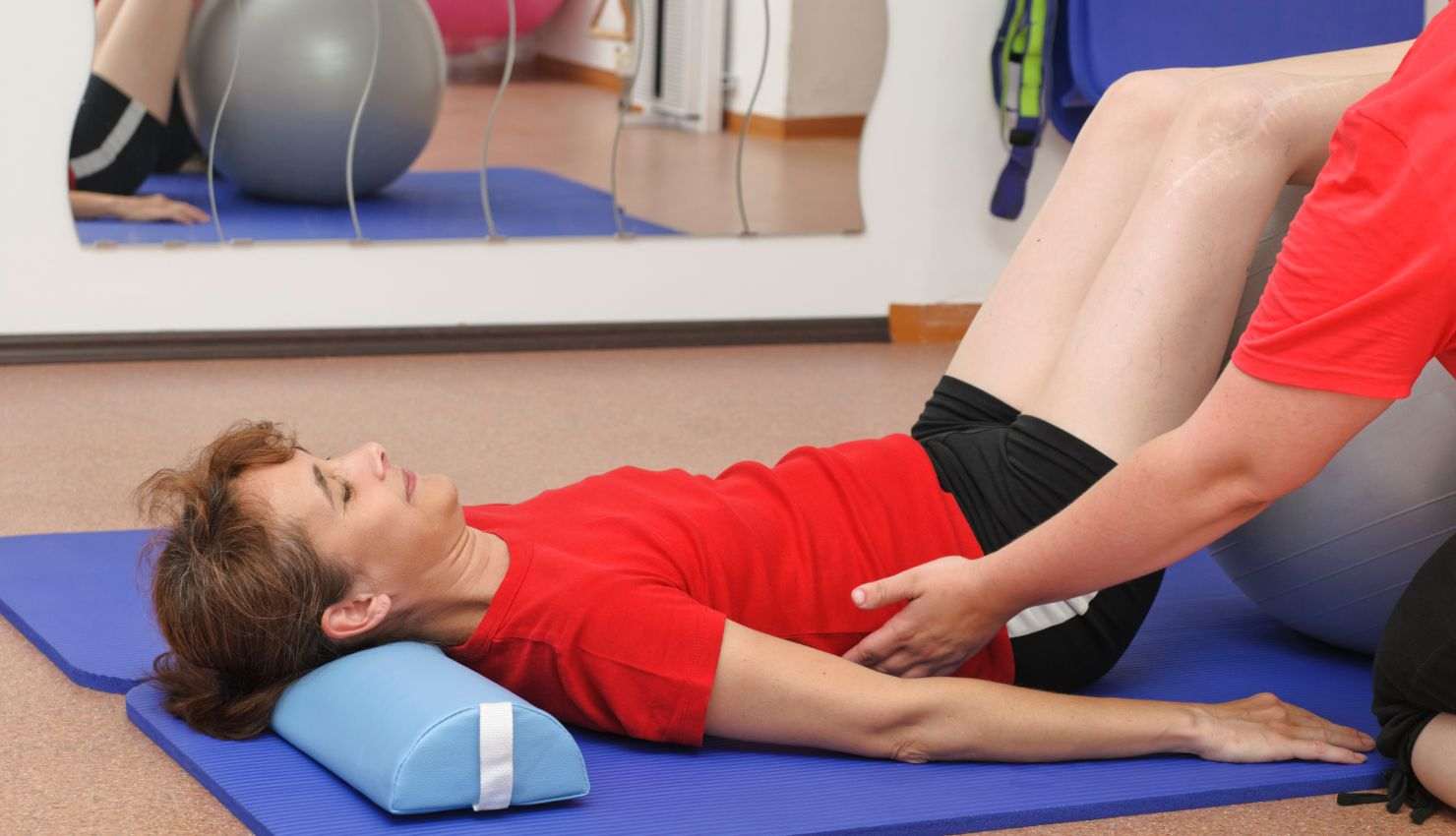
Natural movement patternssuch as walking, reaching, squatting, or turningare essential for everyday function. After injury, illness, surgery, or chronic pain, these patterns often become disrupted or compensated by faulty mechanics. Movement therapy is designed to retrain the bodys ability to move efficiently and safely by restoring natural, functional movement.
?? What Are Natural Movement Patterns?
Natural movement patterns are instinctive, biomechanically efficient ways the body moves, typically involving:
Proper joint alignment and mobility
Coordinated muscle activation
Balance and proprioception
Symmetry between sides of the body
Disruptions may occur due to:
Injury or surgery
Neurological conditions (e.g., stroke, MS)
Muscle imbalances or postural habits
Sedentary lifestyles or repetitive strain
? How Movement Therapy Restores Natural Patterns
Goal How Movement Therapy Helps
Retrain muscle memory Uses repetition of correct movement to overwrite faulty habits
Correct alignment and posture Teaches proper joint positioning to reduce strain and improve form
Enhance body awareness Improves proprioception and sensory feedback through guided motion
Address asymmetries Balances strength and mobility between sides of the body
Improve motor control Builds coordination and timing of movement
Integrate breath and movement Supports fluid, relaxed, and efficient movement
?? Techniques Used in Movement Therapy
1. Functional Movement Re-education
Practicing real-life motions like sitting, standing, or reaching
Focus on quality, symmetry, and control
2. Neuromuscular Re-patterning
Techniques like PNF (Proprioceptive Neuromuscular Facilitation) to retrain the nervous system and muscles together
3. Mirror Therapy and Visual Feedback
Helps in restoring symmetry and motor control, especially after stroke or limb injury
4. Somatic-Based Practices
Feldenkrais, Alexander Technique, or Pilates emphasize mindful, efficient movement
Reduces unconscious compensation and tension
5. Core Stability and Dynamic Balance Training
Builds a stable foundation for natural limb and torso movement
6. Gait Training
Teaches normal walking mechanics and eliminates limping or compensatory steps
?? Examples of Movements Restored with Therapy
Impaired Movement Movement Therapy Focus
Limping post-injury Heel strike, stride length, hip-knee-ankle alignment
Forward-head posture Scapular retraction, chin tucks, thoracic extension
Shoulder hiking on lifting Scapular stability, shoulder depression, core bracing
Poor squat mechanics Hip hinge, ankle dorsiflexion, lumbar control
Loss of arm swing in walking Trunk rotation, rhythmic coordination, proprioception
????? Mind-Body Integration for Movement Restoration
Breath training enhances fluidity and reduces tension
Slow, controlled repetitions allow the nervous system to relearn the correct patterns
Mental focus and visualization increase movement precision and awareness
?? When to Use Movement Therapy for Pattern Restoration
Post-orthopedic or neurological injury
After immobilization or long-term rest
With recurrent musculoskeletal pain
Following surgical recovery
In sports rehab for form correction and injury prevention
?? Key Benefits
Reduces re-injury risk from compensatory movement
Enhances movement efficiency and athletic performance
Decreases chronic pain and mechanical strain
Supports greater independence in daily life
?? Summary
Movement therapy helps restore natural movement patterns by:
Reprogramming faulty motor habits
Improving alignment, coordination, and balance
Enhancing neuromuscular control
Encouraging full-body, efficient motion