Chronic neck and shoulder pain affects millions of people worldwide, often due to poor pos…

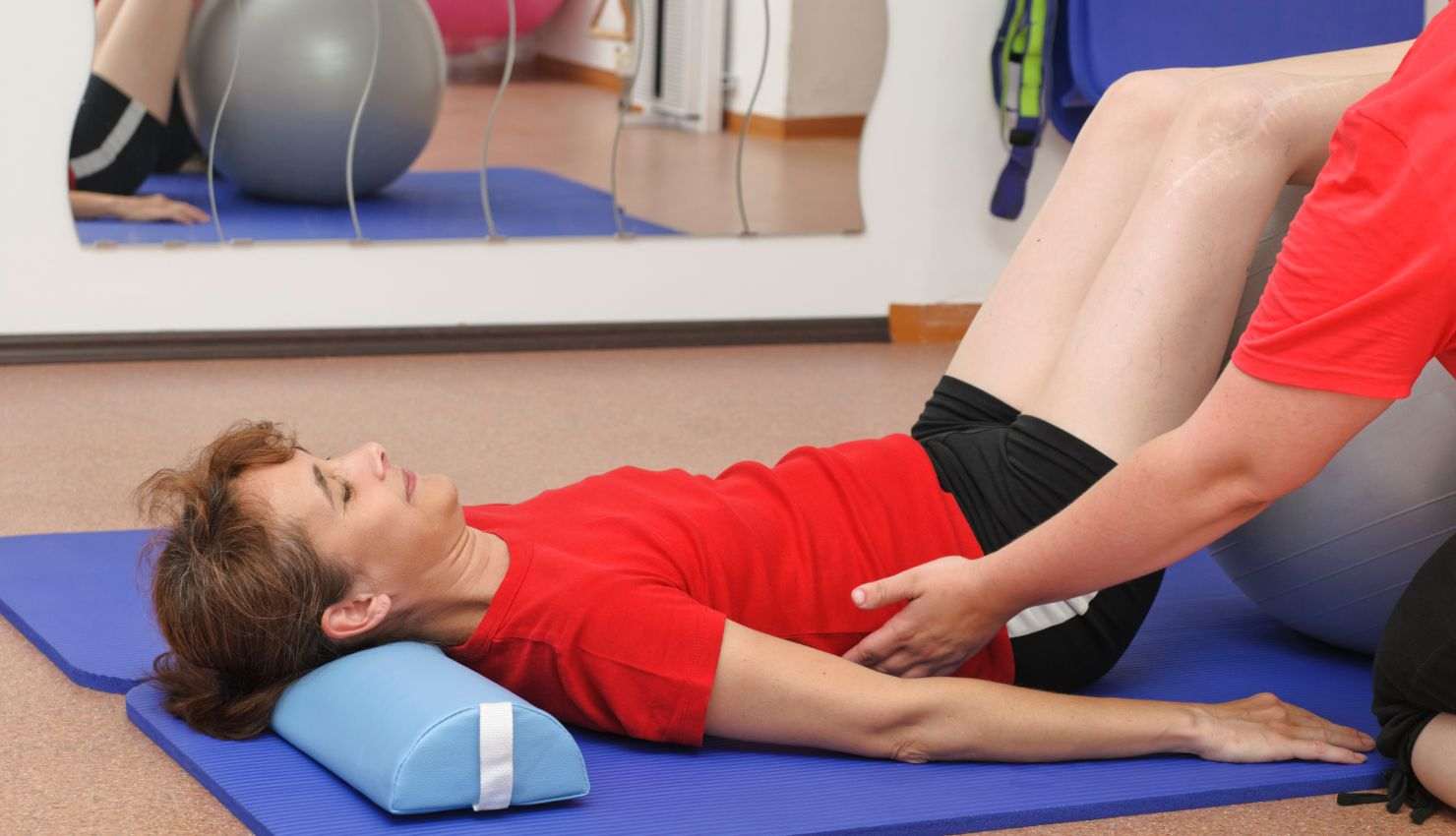
Chronic neck and shoulder pain affects millions of people worldwide, often due to poor posture, muscle imbalances, stress, or repetitive strain. Movement therapy offers a powerful, non-invasive solution by targeting the root causes of pain through intentional, therapeutic motion that restores alignment, improves mobility, and reconditions muscles.
?? Understanding Chronic Neck and Shoulder Pain
Common contributors include:
Forward head posture and rounded shoulders (often from prolonged sitting or screen use)
Tight upper trapezius and levator scapulae
Weak deep neck flexors and scapular stabilizers
Stress and poor breathing patterns
Previous injuries causing compensatory movement patterns
Left unaddressed, these issues can cause joint stiffness, muscle tension, nerve irritation, and limited range of motion.
? How Movement Therapy Alleviates Neck and Shoulder Pain
1. Improves Postural Alignment
Chronic pain is often linked to poor alignment. Movement therapy retrains your posture through strengthening and mobility drills, reducing strain on neck and shoulder structures.
Example: Scapular retraction exercises improve shoulder blade positioning and relieve neck tension.
2. Relieves Muscle Tension and Trigger Points
Gentle movement and mobility drills reduce tightness in overactive muscles like the upper traps and promote blood flow for muscle recovery.
Example: Neck rolls, chin tucks, and thoracic extensions ease tension from slouching.
3. Restores Full Range of Motion
Restricted motion in the neck or thoracic spine can overload the shoulders. Movement therapy restores mobility in the spine, shoulders, and ribs to distribute movement more evenly.
Example: Thoracic rotation and shoulder CARs (Controlled Articular Rotations).
4. Strengthens Supporting Muscles
Weak stabilizers (like deep neck flexors and lower traps) allow compensatory patterns that worsen pain. Targeted exercises rebuild support and endurance.
Example: Wall angels and prone Y-raises activate key stabilizing muscles.
5. Calms the Nervous System
Therapeutic movement, combined with diaphragmatic breathing, can reduce pain sensitivity and stress-induced tension.
Example: Breath-focused mobility flows downregulate the nervous system and improve muscle relaxation.
?? Key Movement Therapy Techniques for Neck and Shoulder Pain
Technique Focus Area Benefits
Chin Tucks Deep neck flexors Aligns head, reduces neck strain
Neck CARs Cervical spine Improves joint mobility and control
Thoracic Spine Mobility Drills Mid-back Restores shoulder and neck function
Scapular Retraction and Depression Shoulder blades Builds postural endurance
Wall Angels Upper back and shoulders Improves posture and shoulder mechanics
Breathing Drills (e.g., Box Breathing) Diaphragm, nervous system Reduces tension and pain perception
??? Sample 10-Minute Daily Routine for Relief
1. Diaphragmatic Breathing (2 min)
Focus on long, slow breaths to reduce tension.
2. Chin Tucks + Neck CARs (2 min)
10 slow reps of each to activate deep stabilizers and improve range.
3. Thoracic Extensions (2 min)
Use a foam roller or sit upright, arching over a chair.
4. Wall Angels or YTWs (2 min)
Strengthens scapular stabilizersaim for 2 sets of 10 reps.
5. Shoulder Rolls + Arm Circles (2 min)
Loosens tight deltoids and upper traps.
?? Tips for Effective Practice
Move slowly and mindfullyspeed hides dysfunction.
Breathe deeply through each movement to support relaxation.
Stop if pain worsensmild discomfort is okay, sharp pain is not.
Do a little each day rather than one long session weekly.
Combine with ergonomic fixes like screen height or pillow support.
?? Who Benefits from This Approach?
Desk workers or remote professionals with posture-related pain
Athletes with shoulder overuse injuries
Individuals with arthritis or previous neck injuries
Anyone with chronic stress or tension-related headaches
People recovering from whiplash or shoulder impingement
?? Final Thoughts
Movement therapy helps restore balance, function, and resilience in the neck and shoulder area by retraining how your body moves and supports itself. With consistent practice, you can significantly reduce chronic pain, improve posture, and feel stronger and more mobile.