Movement therapy is a powerful approach for improving spinal flexibility, which is essenti…

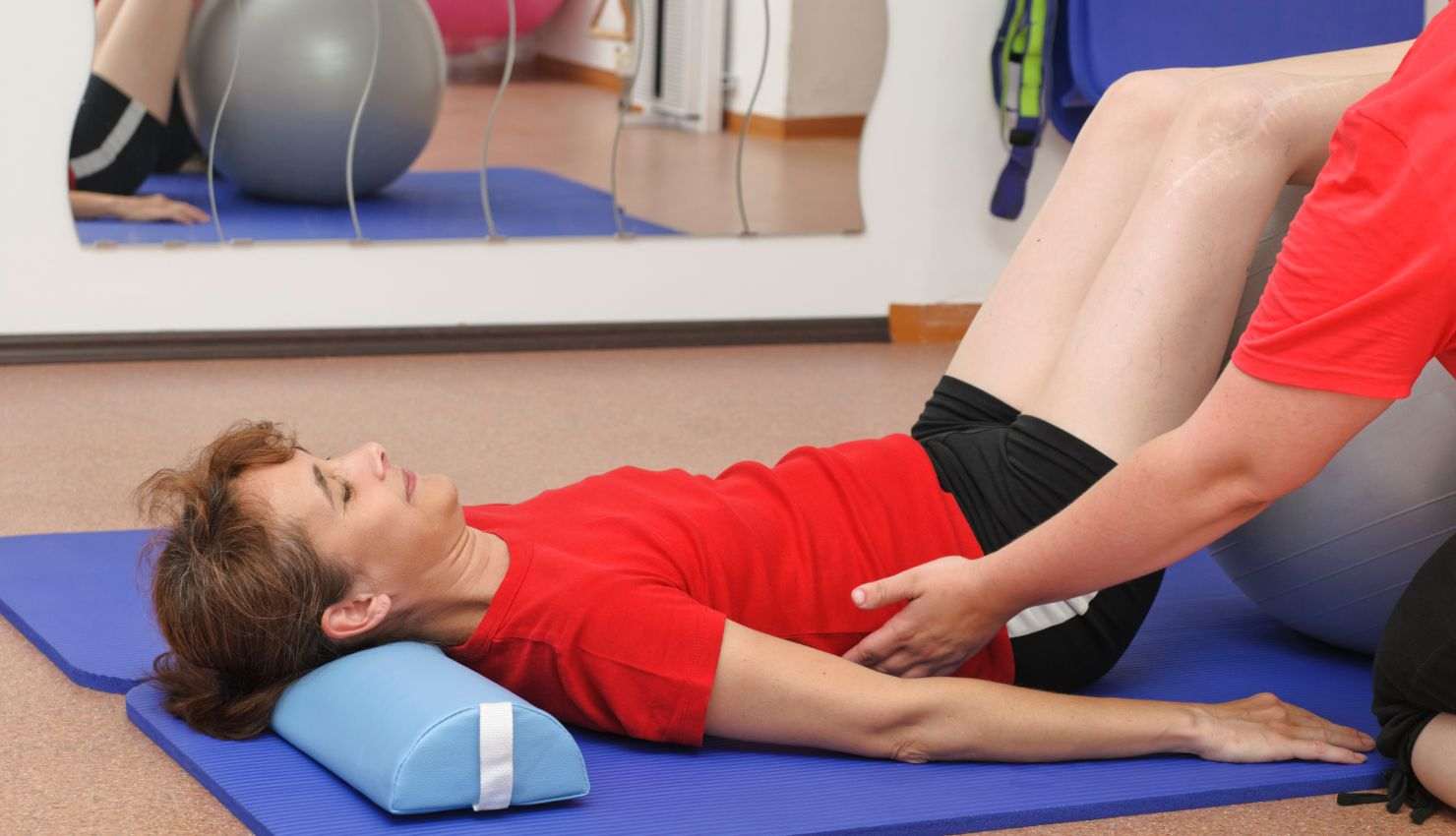
Movement therapy is a powerful approach for improving spinal flexibility, which is essential for posture, balance, mobility, and pain reduction. A flexible spine allows the body to move freely and safely through everyday actions like bending, twisting, sitting, and lifting. Movement therapy uses gentle, intentional exercises to stretch, mobilize, and strengthen the spinal muscles, ligaments, and joints.
Whether you’re recovering from injury, managing stiffness, or simply looking to improve functional movement, movement therapy offers safe, progressive techniques to increase spinal range of motion, reduce tension, and enhance overall spinal health.
?? Why Spinal Flexibility Matters
A flexible spine:
Supports healthy posture
Enables smooth, pain-free movement
Reduces risk of injury and strain
Improves core coordination
Enhances balance and stability
Limited flexibility in the spine can lead to:
Chronic lower or upper back pain
Decreased range of motion
Muscle tightness in hips, neck, and shoulders
Poor posture and spinal alignment
Compensatory movement patterns in other joints
?? How Movement Therapy Improves Spinal Flexibility
? 1. Mobilizes Each Spinal Segment
The spine is divided into three key regions:
Cervical spine (neck)
Thoracic spine (upper back)
Lumbar spine (lower back)
Movement therapy targets all three regions with isolated and integrated mobility work, allowing stiff or restricted segments to regain motion without stress.
Example: Cat-cow stretches promote flexion and extension across the full spine.
? 2. Reduces Muscle Tension and Fascial Tightness
Gentle movement increases blood flow, oxygen delivery, and fascial release, allowing muscles around the spine to lengthen naturally.
Movements like spinal twists or side bends help release tight erector spinae and oblique muscles.
? 3. Improves Core and Back Muscle Balance
Movement therapy strengthens and elongates the deep stabilizing muscles (like the multifidus, transverse abdominis, and pelvic floor), which support a flexible and stable spine.
Core activation in movements like pelvic tilts or dead bug exercises enhances spine control while increasing mobility.
? 4. Increases Awareness of Movement Patterns
Mindful movement retrains the nervous system to move the spine more efficiently, improving coordination and reducing rigidity.
Techniques like Feldenkrais or yoga-based therapy emphasize body awareness and smooth transitions between postures.
? 5. Restores Natural Spinal Curves
Proper spinal mobility allows the spine to retain its natural S-shaped curvature, reducing strain on discs and joints.
Chest openers and thoracic extensions help reverse the effects of slouched posture and forward head position.
?? Sample Spinal Flexibility Movement Therapy Routine
(1520 minutes daily)
Breath + Body Awareness (2 mins)
Seated or lying deep belly breathing
Spine scan (feel each segment)
Dynamic Spinal Mobilization (57 mins)
Cat-cow (flexion/extension)
Seated or standing spinal twists
Side-lying thoracic rotations (open book)
Standing lateral bends
Targeted Flexibility Work (57 mins)
Childs pose with reach to sides
Sphinx or cobra pose for lumbar extension
Thread the needle for thoracic/shoulder mobility
Supine knees-to-chest and spinal twist
Core + Spine Integration (35 mins)
Bird-dog or bridge lifts
Pelvic tilts
Wall roll-downs (spinal articulation)
????? Recommended Modalities for Spinal Flexibility
Yoga therapy (especially poses for spine elongation and decompression)
Feldenkrais Method (improves fine motor control and spinal coordination)
Somatic movement (gentle, breath-guided releases)
Tai Chi/Qigong (flowing movement and posture awareness)
Pilates-based rehab (focused on core-spine coordination)
?? Benefits of Spinal Movement Therapy
Benefit Impact
Increased spinal mobility Freer movement in all directions
Reduced stiffness and back pain Loosens joints and surrounding tissue
Improved posture and alignment Enhances spinal curves and muscle symmetry
Enhanced breathing and circulation Frees the thoracic cavity and diaphragm
Greater body awareness and control Prevents overuse and compensation
?? Safety Tips
Move slowly and mindfullynever force the spine
If you feel sharp or radiating pain, stop and consult a specialist
Use props (e.g., blocks, pillows) for support in stretching
Combine movement therapy with hydration and proper posture habits
? Final Thought
Spinal flexibility is key to a vibrant, pain-free, and mobile life. Movement therapy provides a holistic way to reconnect with your spine, reduce stiffness, and promote graceful, efficient motion. Whether youre managing chronic tension or simply want to improve posture and performance, just a few minutes a day of spine-focused movement can create lasting change.