Movement therapy is a highly effective, non-pharmaceutical approach for relieving joint an…

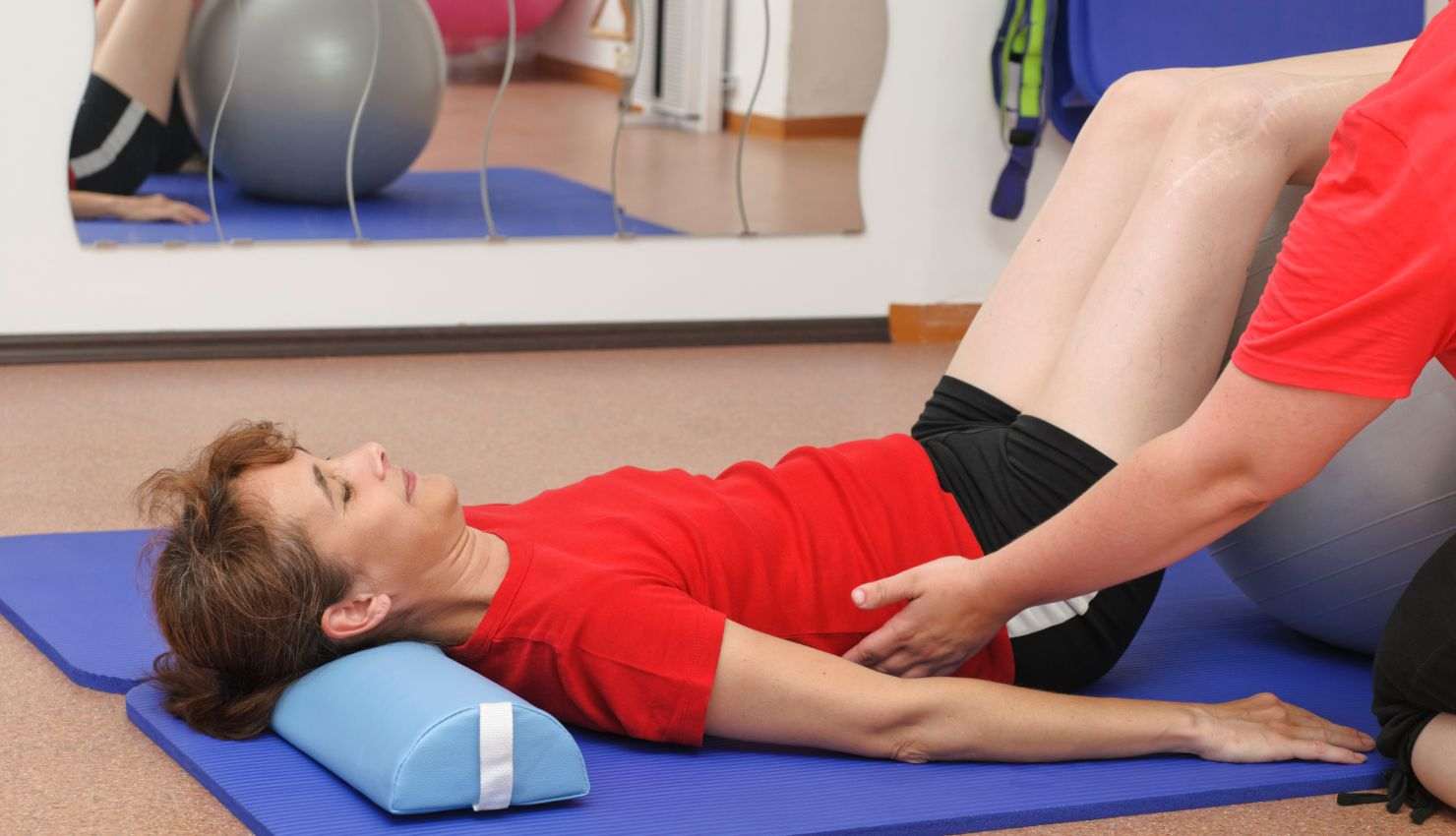
Movement therapy is a highly effective, non-pharmaceutical approach for relieving joint and muscle pain. By encouraging controlled, intentional motion, it promotes healing, restores function, and reduces inflammation in painful areaswithout overloading injured or sensitive tissues.
?? Understanding the Root of Joint and Muscle Pain
Joint and muscle pain may be caused by:
Overuse or repetitive strain
Poor posture and biomechanics
Muscle imbalances or weakness
Injury or trauma
Arthritis or degenerative changes
Sedentary lifestyle and stiffness
Pain can often lead to protective movement patterns, which create even more tightness, dysfunction, and discomfort. Movement therapy breaks this cycle.
? How Movement Therapy Alleviates Joint and Muscle Pain
1. Increases Blood Flow and Nutrient Delivery
Gentle movements improve circulation to painful areas, which helps:
Deliver oxygen and nutrients to damaged tissue
Remove metabolic waste products
Accelerate tissue repair
Example: Light mobility exercises for arthritic knees help reduce stiffness and pain.
2. Reduces Muscle Tension and Trigger Points
Therapeutic movement encourages muscles to release unnecessary tension and restores natural resting length.
Example: Controlled stretching and mobility drills reduce knots in the neck and shoulders.
3. Restores Joint Alignment and Mechanics
By retraining proper movement patterns, movement therapy reduces excess pressure on joints and surrounding tissues.
Example: Strengthening hip muscles realigns the pelvis and reduces low back pain.
4. Stimulates the Nervous System for Pain Relief
Movement activates mechanoreceptors that compete with pain signals and stimulate endorphin release, acting as a natural analgesic.
Known as the gate control theory of pain, this makes movement a powerful pain modulator.
5. Improves Flexibility and Mobility
Restricted motion often leads to pain. Restoring joint range of motion allows for smoother, more functional movement with less strain.
Example: Shoulder mobility work can ease tension from desk work or rotator cuff issues.
6. Promotes Healing Without Overload
Low-impact movement encourages healing without re-injury, ideal for post-acute pain or chronic conditions like arthritis and fibromyalgia.
?? Effective Movement Therapy Techniques for Pain Relief
Technique Target Area How It Helps
Active Range of Motion (AROM) Joints (e.g., shoulders, knees) Gently improves circulation and mobility
Myofascial Release (Foam Rolling) Tight muscles and connective tissue Breaks up adhesions and reduces tension
Dynamic Stretching Full-body or targeted Improves movement readiness and flexibility
Joint Mobilizations (CARs) Hips, shoulders, spine Maintains joint health and pain-free range
Breath-Integrated Movement Core, diaphragm, whole body Reduces pain via nervous system regulation
Isometric Holds Core, hips, glutes Builds strength without joint compression
?? Common Conditions That Benefit
Arthritis (osteo- and rheumatoid)
Tendinitis or bursitis
Fibromyalgia
Low back and neck pain
Frozen shoulder
Knee pain (patellofemoral or meniscal)
Hip impingement or sciatica
Postural pain from sitting or overuse
?? Sample Daily Movement Flow for Joint & Muscle Pain Relief (1015 Minutes)
1. Diaphragmatic Breathing (2 min)
Lying on your back or seated, breathe deeply into your belly to calm the nervous system.
2. Gentle Joint Circles (CARs) (34 min)
Shoulder CARs
Hip CARs
Ankle circles
Wrist rolls
3. Controlled Stretch Flow (56 min)
Cat-cow stretch (spine)
Seated forward fold (hamstrings/lower back)
Chest opener stretch
Standing quad and calf stretch
4. Light Muscle Activation (34 min)
Glute bridges
Wall push-ups
Dead bug or bird-dog core work
?? Tips for Getting the Best Results
Start with low-intensity, pain-free movements
Focus on control, not speed
Use breathing to relax through tension
Stay consistenta little movement each day builds lasting results
Stop if pain increasesmodifications may be needed
?? Final Thoughts
Movement therapy offers a safe, natural, and empowering path to managing joint and muscle pain. Rather than masking symptoms, it targets the root causesimproving circulation, correcting imbalances, and retraining movement patterns.