Movement therapy is a targeted, functional approach to recovery that plays a crucial role…

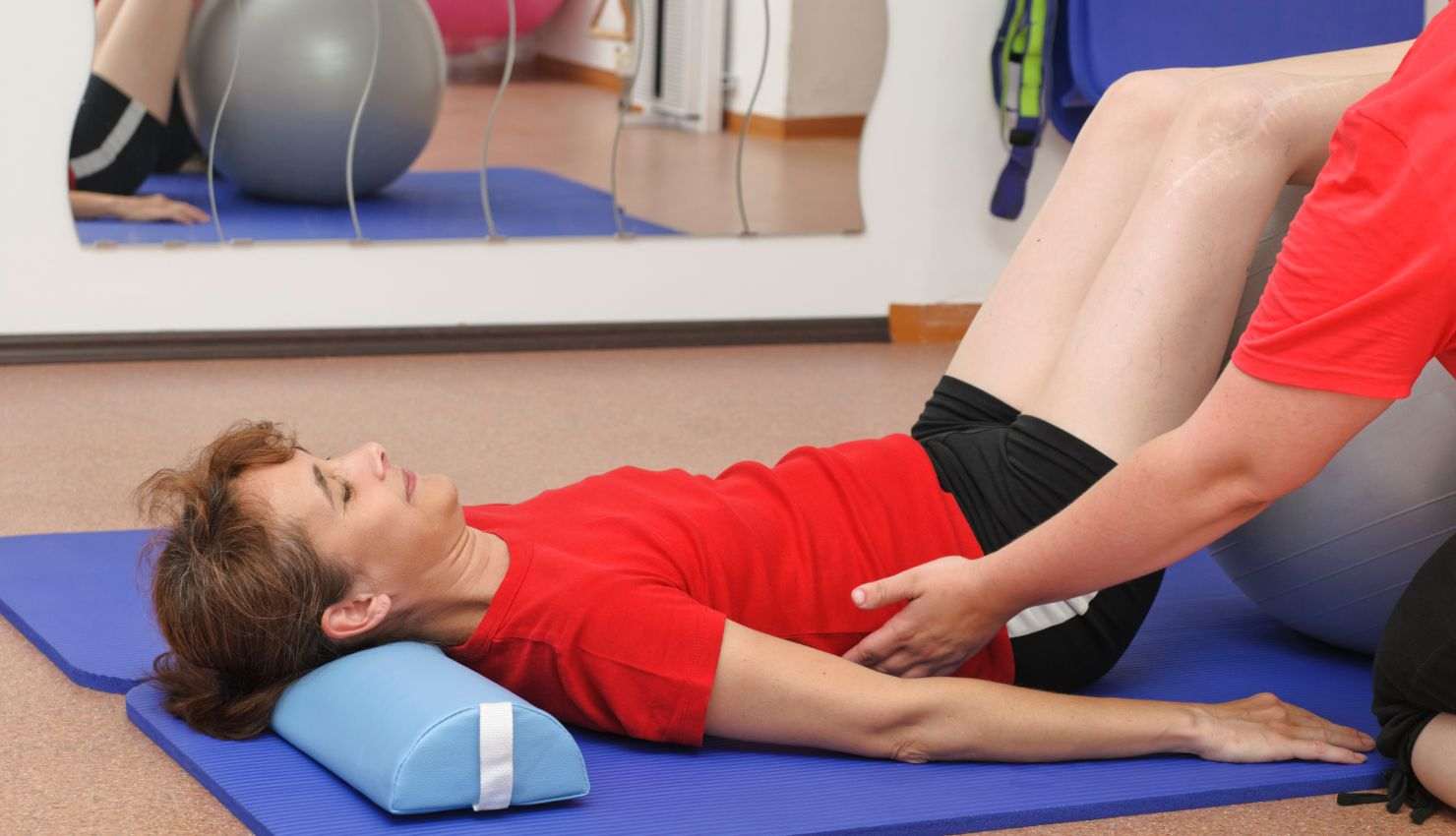
Movement therapy is a targeted, functional approach to recovery that plays a crucial role in both muscle strengthening and rehabilitation after injury. Unlike traditional exercise routines, it emphasizes restoring proper movement patterns, rebuilding neuromuscular connections, and progressively improving strength in a safe and sustainable way.
?? Why Movement Therapy Works for Rehabilitation and Strengthening
Focuses on Functional Movements
Rebuilds strength through real-life motion patterns like squatting, reaching, and bending.
Helps muscles work together efficiently, not just in isolation.
Restores Muscle Activation After Injury
After injury or surgery, certain muscles may become inactive or underused.
Movement therapy retrains the brain to engage the right muscles at the right time.
Improves Joint Support and Stability
Strengthens surrounding muscles to stabilize vulnerable or healing joints.
Prevents future injuries by reinforcing proper alignment and load distribution.
Gradual, Controlled Progression
Begins with low-load, low-impact movements and builds up as capacity increases.
Ensures safe, sustainable strengthening without overloading healing tissues.
Reduces Pain and Compensatory Patterns
Corrects imbalances and dysfunctional movement habits that can cause further strain or injury.
Promotes balanced muscle development and efficient biomechanics.
?? Phases of Movement Therapy in Strength & Rehab
Phase Goals Example Activities
Phase 1: Activation & Mobility Reconnect mind-muscle link, restore motion Isometric holds, glute bridges, ankle circles
Phase 2: Stability & Control Improve coordination, joint support Bird dogs, wall sits, single-leg balance
Phase 3: Strength Rebuilding Develop strength through range of motion Step-ups, resistance band rows, lunges
Phase 4: Functional Integration Return to sport or daily movement Medicine ball throws, agility drills, bodyweight circuits
?? Effective Movement Therapy Techniques
Isometric Exercises
Activate muscles without joint movement (e.g., static glute bridges or planks).
Eccentric Training
Focuses on slow muscle lengthening to build tendon and muscle strength (e.g., slow step-downs).
Closed-Chain Movements
Exercises where the limb is fixed, increasing joint stability (e.g., squats, push-ups).
Neuro-Muscular Re-education
Helps retrain the nervous system after surgery or injury using slow, focused movement.
Progressive Resistance
Gradually increases load using resistance bands, light weights, or body weight.
?? Examples by Injury Type
Injury Area Movement Therapy Focus Sample Exercises
Knee (e.g., ACL rehab) Glute and quad activation, balance Step-ups, hamstring bridges
Shoulder Scapular stability, rotator cuff strength Wall slides, banded external rotation
Hip Mobility and core control 90/90 hip flows, side-lying leg lifts
Ankle Proprioception and calf strength Banded dorsiflexion, toe raises
Lower back Core stabilization Bird dog, dead bug, pelvic tilts