Ligament injuriessuch as ACL tears, ankle sprains, or shoulder instabilitycan significan…

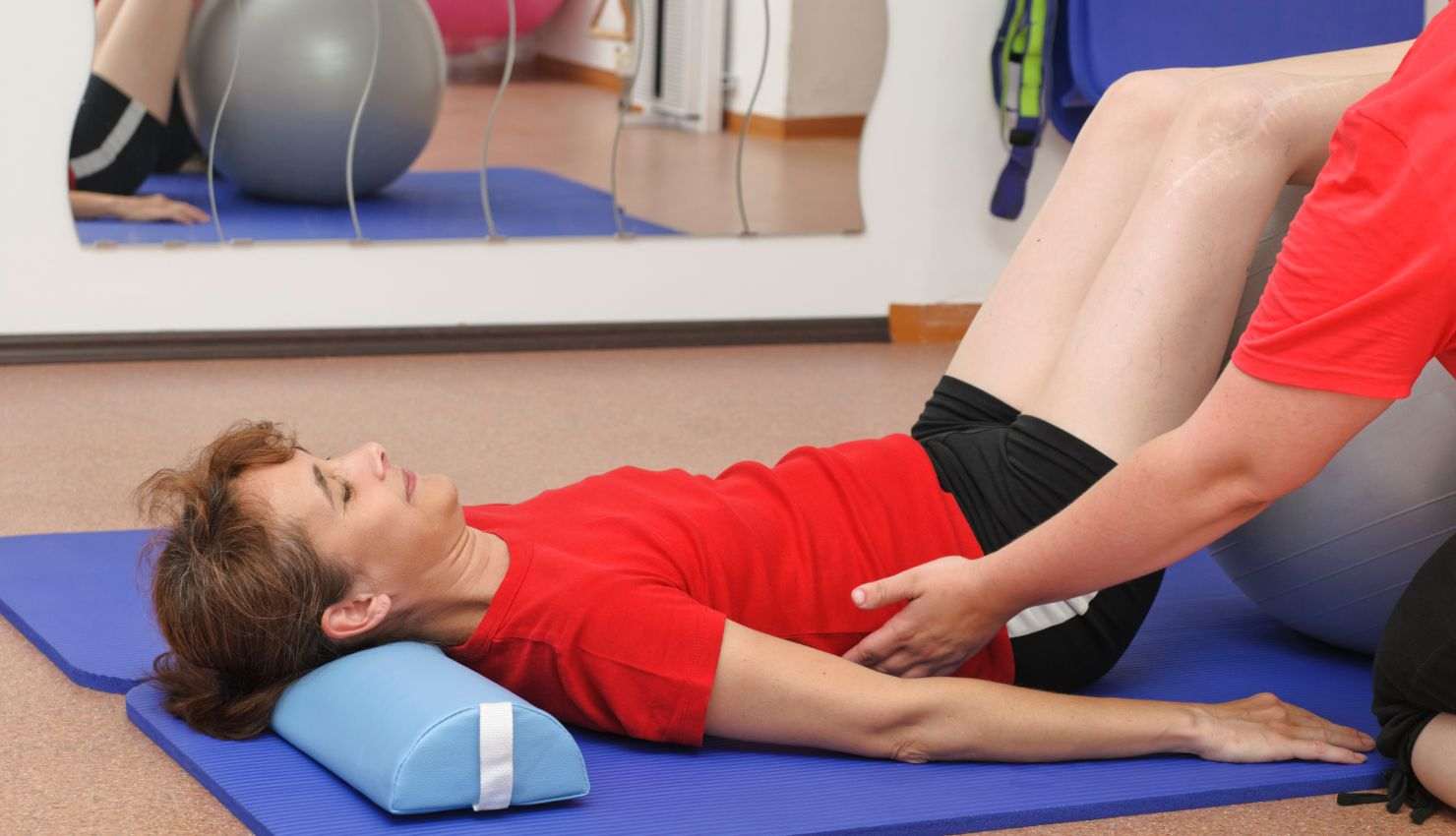
Ligament injuriessuch as ACL tears, ankle sprains, or shoulder instabilitycan significantly affect mobility, balance, and joint stability. Movement therapy is a crucial component of rehabilitation, helping restore function and prevent re-injury through structured, progressive exercises. Heres how it works:
1. Restores Joint Stability
Ligaments connect bone to bone and provide joint stability. After injury, movement therapy strengthens surrounding muscles (like the quadriceps after an ACL tear) to compensate for weakened ligaments and improve joint support.
Example: Strengthening hamstrings and glutes to support the knee after ACL injury.
2. Enhances Range of Motion (ROM)
After a ligament injury, joints can become stiff due to swelling, scar tissue, or disuse. Movement therapy uses gentle mobilization and stretching to gradually improve joint flexibility and restore normal ROM.
Example: Passive and active ankle movements post-sprain to regain mobility.
3. Reduces Pain and Swelling
Controlled movement promotes lymphatic drainage and blood flow, which helps decrease inflammation and speeds up healing. Movement also releases endorphins that reduce pain naturally.
Techniques: Low-impact exercises like cycling or aquatic therapy early in recovery.
4. Rebuilds Strength and Coordination
Ligament injuries often cause muscle weakness and disrupt neuromuscular control. Movement therapy focuses on functional strength training and proprioception (body awareness) to restore stability and prevent compensation patterns.
Example: Balance board drills or single-leg exercises for ankle sprain recovery.
5. Prevents Re-Injury
A well-designed movement therapy program retrains the body to move correctly, improving joint mechanics, balance, and control. This reduces the likelihood of future ligament injuries, especially in athletes.
Advanced training: Sport-specific drills, plyometrics, and cutting maneuvers in later rehab stages.
6. Supports Mental and Emotional Recovery
Ligament injuries can impact confidence and mental well-being. Movement therapy provides a structured path back to activity, helping individuals regain trust in their body and return to daily or athletic life with reduced fear.
Key Movement Therapy Techniques for Ligament Injuries
Range of Motion Exercises: Gradual increase in joint movement
Isometric Strengthening: Muscle engagement without joint movement (early stage)
Proprioceptive Training: Balance, coordination, and stability drills
Functional Movement Retraining: Simulated real-life or sport-specific movements
Manual Therapy: Soft tissue and joint mobilization for pain and motion
Progressive Loading: Gradual return to weight-bearing and resistance exercises
Example: ACL Injury Recovery Timeline (Simplified)
Phase Focus Movement Therapy Techniques
Acute (02 weeks) Reduce swelling, restore ROM Heel slides, quad sets, straight leg raises
Subacute (26 weeks) Increase strength, ROM Stationary cycling, mini squats, step-ups
Advanced (6+ weeks) Return to function Balance drills, agility exercises, light jogging