Whiplash is a neck injury caused by a sudden, forceful back-and-forth movement of the head…

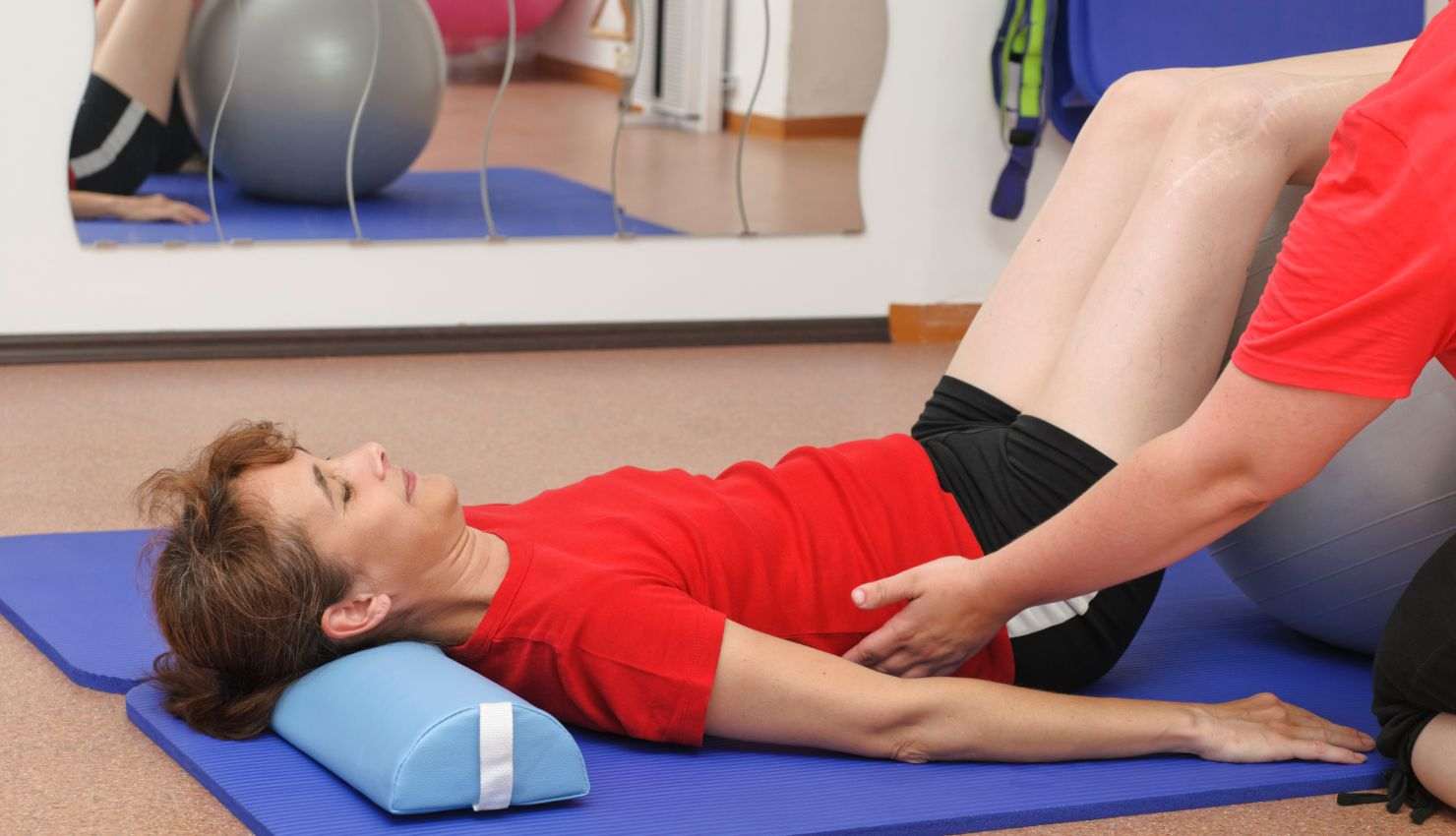
Whiplash is a neck injury caused by a sudden, forceful back-and-forth movement of the headmost commonly from rear-end car accidents. It can lead to pain, stiffness, dizziness, headaches, and reduced neck mobility. While rest and initial medical care are important, movement therapy plays a crucial role in the long-term recovery process by restoring motion, reducing pain, and rebuilding function.
? Why Movement Therapy Is Essential After Whiplash
Following the acute phase (first few days post-injury), gentle, guided movement becomes vital to avoid long-term stiffness, muscle guarding, and postural compensation. Prolonged immobilization can actually delay healing or lead to chronic pain.
Movement therapy works by:
Encouraging blood flow to promote healing
Restoring normal range of motion in the neck and upper spine
Reducing muscle tension and guarding
Reprogramming coordination and proprioception
Preventing chronic pain and movement avoidance
?? Common Symptoms of Whiplash Movement Therapy Can Address
Neck pain and stiffness
Limited cervical range of motion
Shoulder and upper back tightness
Headaches or migraines
Dizziness or balance problems
Fatigue and postural strain
??? Effective Movement Therapy Techniques for Whiplash Recovery
1. Gentle Cervical Mobility Exercises
Early-stage, pain-free movement of the neck to restore range of motion.
Examples:
Chin tucks (to restore cervical curve)
Neck rotations and tilts (within pain-free limits)
Head nodding and yes/no movements
Benefit: Reduces stiffness and maintains joint nutrition.
2. Scapular and Shoulder Blade Mobilization
Improves coordination between the neck and shoulders.
Examples:
Shoulder rolls, scapular retractions
Wall slides, arm circles
Benefit: Offloads tension from the neck and supports posture.
3. Breathing and Postural Retraining
Addresses dysfunctional breathing patterns that arise after injury and supports alignment.
Examples:
Diaphragmatic breathing
Seated posture resets
Wall posture alignments
Benefit: Reduces tension and improves head-neck-spine alignment.
4. Proprioception and Balance Work
Re-establishes the brains awareness of head and neck positionoften disrupted by whiplash.
Examples:
Eye-head coordination drills
Balance challenges (e.g., standing on one leg) with gentle head movements
Gaze stabilization exercises
Benefit: Improves balance and reduces dizziness or disorientation.
5. Neck Strengthening and Isometric Exercises
Once pain subsides, gentle resistance training helps rebuild muscle support for the neck.
Examples:
Isometric holds (pressing forehead or back of head into hands)
Theraband resistance for cervical movement
Benefit: Stabilizes the cervical spine and prevents reinjury.
6. Myofascial Release and Gentle Soft Tissue Work
Helps release tension in overactive muscles like the upper traps, SCM, and suboccipitals.
Methods:
Self-massage with a ball
Foam rolling the upper back
Trigger point therapy (guided)
Benefit: Eases pain and restores fluid movement.
?? Progression Tips for Safe Recovery
Start with slow, controlled, pain-free movements
Avoid quick or jerky head movements until cleared by a therapist
Use breath to reduce tension during movement
Monitor symptomsif pain increases, reduce intensity
Progress from isolated to integrated movements (e.g., combining neck mobility with whole-body posture exercises)
?? Who Should Guide This Process?
Physical therapists or movement therapists trained in cervical rehabilitation
Chiropractors with a movement-based approach
Somatic practitioners (e.g., Feldenkrais, Alexander Technique) for nervous system retraining
?? Key Benefits of Movement Therapy After Whiplash
Restores safe, pain-free neck mobility
Reduces tension and headaches
Improves posture and upper spine alignment
Rebuilds neck and shoulder strength
Restores confidence and coordination in movement
Prevents chronic pain and long-term dysfunction
?? Conclusion
Movement therapy is a cornerstone in the recovery from whiplash. By using gentle, progressive techniques to restore motion, reduce tension, and re-educate the nervous system, it helps you reclaim normal movement and prevent lasting impairment. When applied early and consistently, it can make the difference between full recovery and chronic pain.