Movement therapy is a holistic and functional approach to improving how the body moves, es…

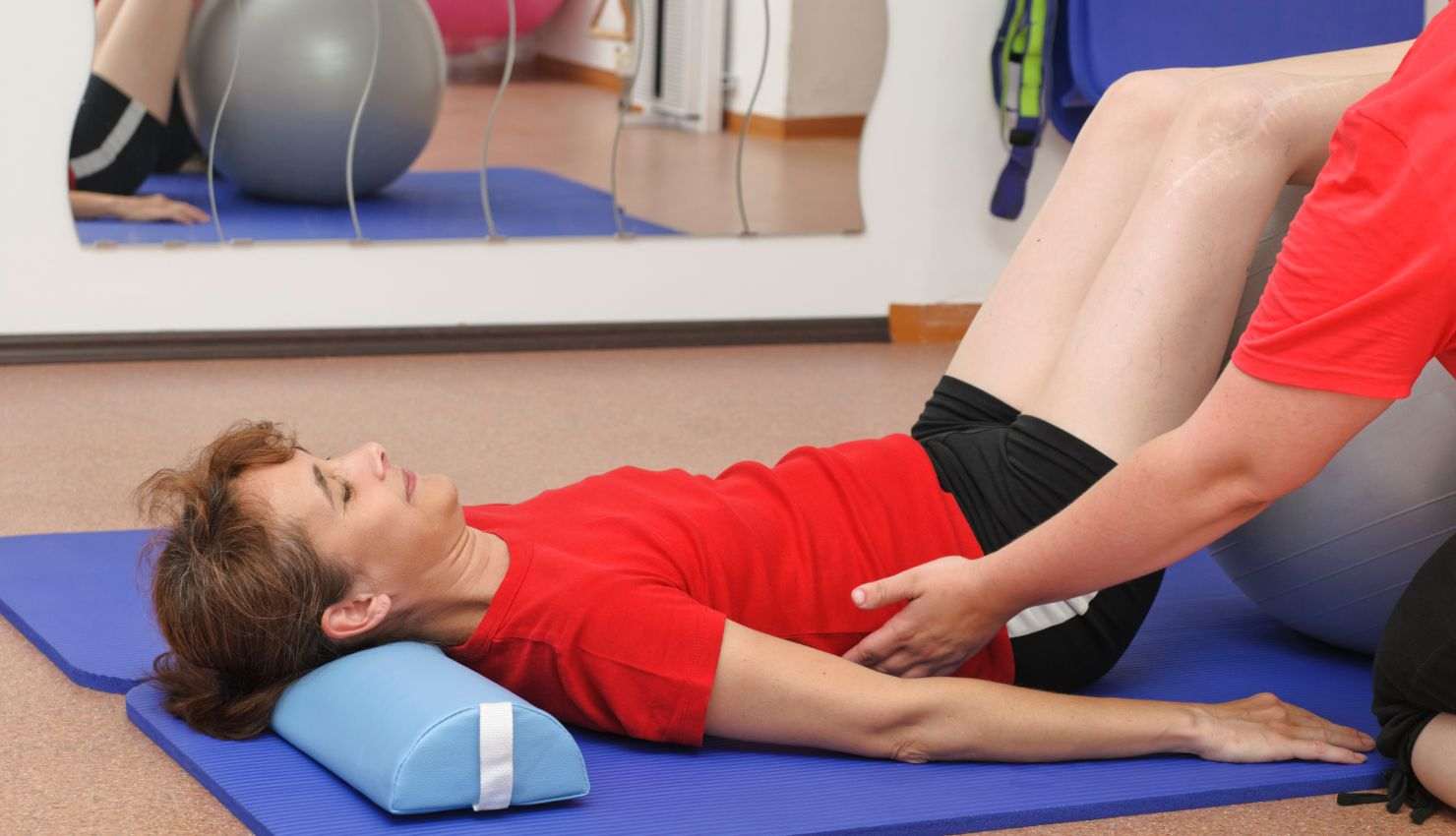
Movement therapy is a holistic and functional approach to improving how the body moves, especially when it comes to activating and strengthening core muscles. Unlike isolated core exercises that focus solely on appearance (like sit-ups or crunches), movement therapy integrates stability, alignment, coordination, and breath control to build deep, functional core strength that supports the entire body in everyday movement and athletic performance.
?? Understanding the Core: More Than Just Abs
The core includes more than just the abdominal musclesit consists of:
Deep stabilizers: Transversus abdominis, multifidus, pelvic floor, diaphragm
Spinal extensors: Erector spinae, quadratus lumborum
Lateral stabilizers: Obliques, glute medius/minimus
Dynamic movers: Rectus abdominis, hip flexors, glutes
Movement therapy targets all these layers through functional and mindful movement patterns.
?? How Movement Therapy Builds Core Strength
? 1. Emphasizes Functional Movement
Rather than isolating muscles, movement therapy strengthens the core in coordination with the rest of the bodyas it naturally works during walking, lifting, reaching, and rotating.
Examples:
Lunges with rotation
Standing weight shifts
Cross-body reaches
? 2. Activates Deep Stabilizing Muscles
Therapists use breathing techniques, postural cues, and subtle movements to recruit the deep core layers, particularly the transversus abdominis and pelvic flooroften neglected in traditional training.
Techniques:
Diaphragmatic breathing
Pelvic tilts
Core engagement in quadruped or supine positions
? 3. Improves Posture and Alignment
A properly aligned spine and pelvis optimize the recruitment of the core. Movement therapy helps correct postural deviations (like anterior pelvic tilt or rounded shoulders), allowing the core to work more efficiently.
Postural exercises include:
Wall standing with chin tucks
Shoulder blade retraction with neutral spine
Hip bridges with pelvic awareness
? 4. Includes Multi-Plane Movement
True core strength means stability in all directions: forward-back, side-to-side, and rotational. Movement therapy trains the core across all planes of motion to build dynamic stability.
Examples:
Rotational lunges
Bird dogs
Side planks with reach
? 5. Focuses on Neuromuscular Control
Movement therapy builds not just strength but control, ensuring that core muscles fire correctly, in the right sequence, and under the right load or stress.
Practices like:
Feldenkrais Method
Pilates-based therapy
Functional movement patterns with resistance
?? Core-Focused Movement Therapy Routine (15 Minutes)
Diaphragmatic breathing + pelvic tilts (3 mins)
Dead bugs or supine marching (3 mins)
Quadruped bird dogs (3 mins)
Side planks with knee down (3 mins)
Standing core activation with cross-body reach + twist (3 mins)
?? Benefits of Core Strength Through Movement Therapy
Enhances posture and reduces spinal strain
Improves balance and coordination
Supports safer lifting and daily activities
Reduces lower back and hip pain
Prepares the body for athletic or rehabilitative demands
Improves pelvic floor health (especially in postpartum and aging adults)