Movement therapy plays a critical role in enhancing mobilitythe ability of joints and mus…

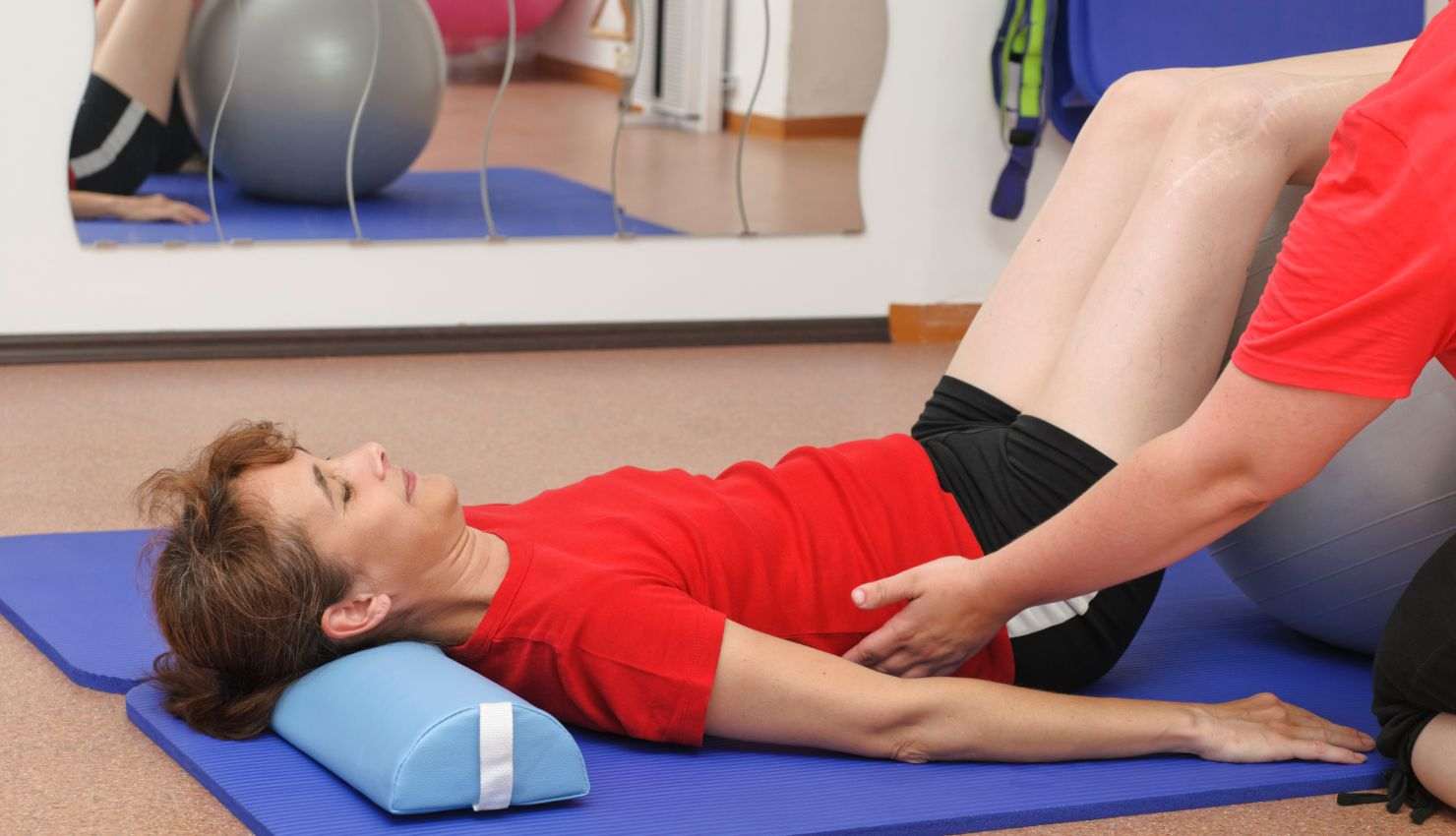
Movement therapy plays a critical role in enhancing mobilitythe ability of joints and muscles to move freely through their full range of motionacross both the upper and lower body. Whether recovering from injury, managing stiffness, or improving functional performance, movement therapy restores freedom of movement through controlled, intentional, and therapeutic exercises that address flexibility, joint health, muscular coordination, and nervous system regulation.
?? What Is Mobility?
Mobility = Flexibility + Strength + Control
While flexibility allows a muscle to lengthen, mobility is the ability to move actively and efficiently, which requires strength and stability across joints and muscles.
?? How Movement Therapy Improves Mobility
Mechanism Effect
Dynamic stretching and mobilization Increases joint lubrication and soft tissue extensibility
Neuromuscular re-education Rewires movement patterns for better coordination and control
Fascial release techniques Reduces restrictions and improves glide between muscle layers
Strengthening through range Builds stability in newly accessed range of motion
Breath and posture awareness Enhances core engagement and spinal alignment
????? Upper Body Mobility: Focus Areas
Targeted Regions:
Shoulders
Thoracic spine (mid-back)
Neck
Wrists and scapulae
Effective Movement Therapy Techniques:
Wall Angels Open up shoulders and correct postural imbalances
Thoracic Extensions (Foam Roller or Seated) Improve upper back mobility
Neck Glides and Rolls Increase cervical mobility and reduce tension
Scapular Retractions Build control of the shoulder blade muscles
Arm Swings and Circles Stimulate blood flow and range of motion
Benefits:
Improved overhead reach
Better posture
Reduced neck and shoulder stiffness
Enhanced breathing mechanics
?? Lower Body Mobility: Focus Areas
Targeted Regions:
Hips
Knees
Ankles
Hamstrings and calves
Effective Movement Therapy Techniques:
Hip 90/90 Rotations Increase hip internal/external rotation
Lunge with Spinal Rotation Combine hip flexor stretch with spine mobility
Ankle Dorsiflexion Drills Improve squatting and walking efficiency
Hamstring Slides or Dynamic Leg Swings Warm up and lengthen posterior chain
Glute Bridges with Hip Focus Mobilize and activate the hip joint
Benefits:
Easier walking, squatting, and climbing
Reduced hip and knee pain
Improved stride and gait
Decreased fall risk and stiffness
?? Integrated Mobility Routine Example (Full Body 10 Min)
Exercise Duration/Reps
Cat-Cow Spinal Mobility 68 slow reps
Thoracic Spine Rotations (Open Book) 8 reps/side
Lunge with Overhead Reach 6 reps/side
Standing Arm Swings + Shoulder Rolls 30 seconds each
Hip 90/90 Transitions 56 each side
Ankle Rockers (forward/back) 10 reps/leg
Glute Bridge with Reach 1012 reps
?? Combine mobility and breathwork for better results and nervous system regulation.
?? Results of Consistent Movement Therapy for Mobility
Area Improved Impact
Joint function More fluid, pain-free movement
Muscle coordination Less compensation and better control
Balance and posture Improved upright alignment and stability
Athletic performance Better agility, power, and movement economy
Daily activities Easier bending, lifting, reaching, walking
?? Tips for Safe and Effective Practice
Warm up first to avoid injury
Focus on quality, not quantity of reps
Move within a pain-free range
Be consistentmobility improves over time
Use support (blocks, bands, walls) when needed