After surgeryespecially orthopedic procedures involving joints, muscles, or connective ti…

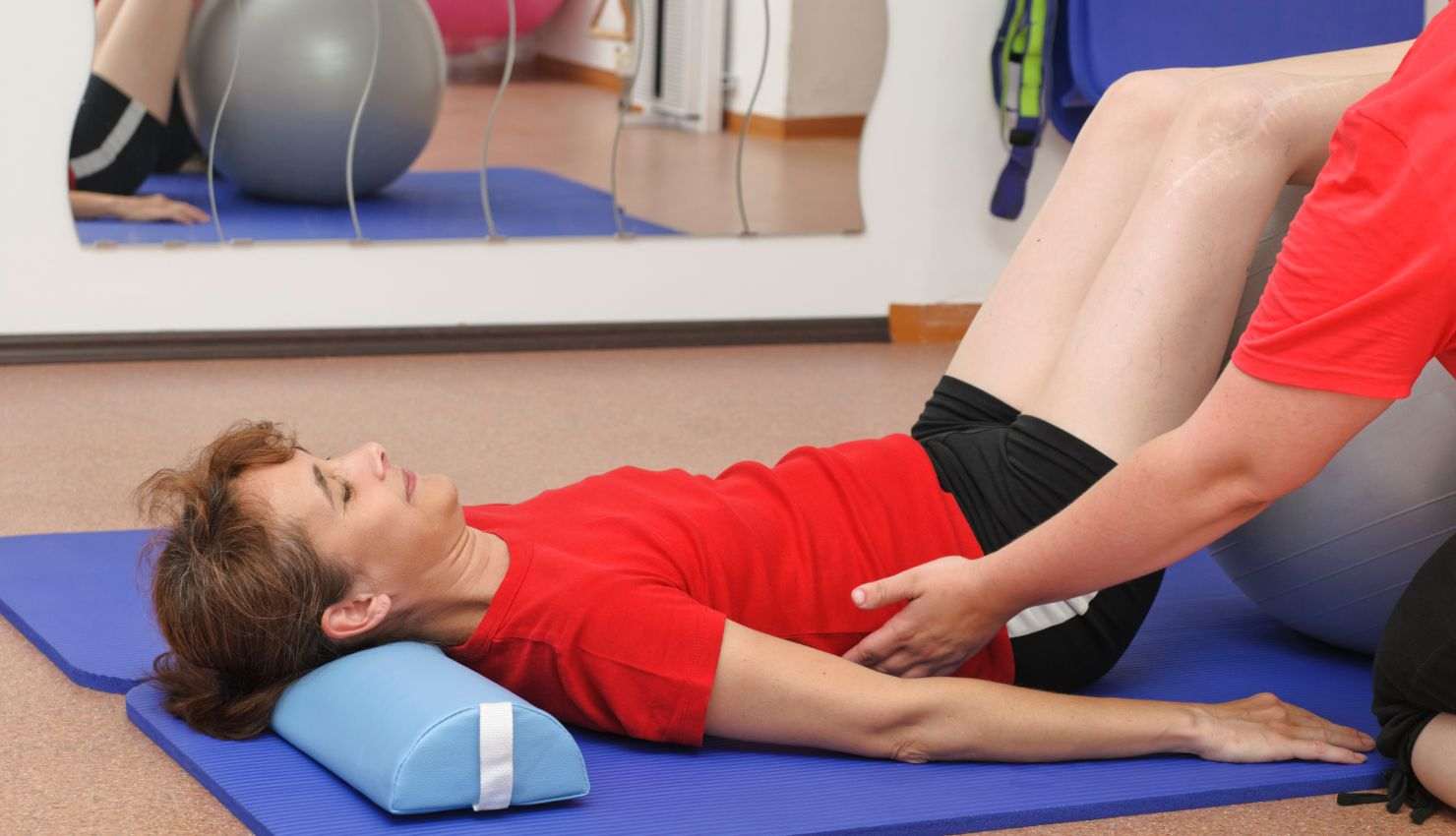
After surgeryespecially orthopedic procedures involving joints, muscles, or connective tissuerange of motion (ROM) is often significantly reduced due to pain, swelling, scar tissue, or immobilization. Movement therapy plays a critical role in restoring ROM by gradually reintroducing safe, structured movement to the affected area. The goal is to regain full, pain-free motion while protecting healing tissues and preventing long-term stiffness or dysfunction.
1. Understanding Post-Surgical Range of Motion Loss
Several factors contribute to reduced ROM after surgery:
Immobilization or bed rest
Postoperative swelling and inflammation
Scar tissue formation
Muscle atrophy and joint stiffness
Fear of movement (kinesiophobia)
Movement therapy addresses these factors through individualized rehabilitation strategies.
2. Phases of Movement Therapy for ROM Recovery
a. Acute Phase (02 weeks post-surgery)
Goals: Protect surgical site, reduce swelling, prevent joint stiffness.
Therapy Focus:
Gentle passive range of motion (PROM) assisted by a therapist.
Isometric exercises to activate muscles without joint movement.
Lymphatic and circulatory stimulation to reduce inflammation.
b. Sub-Acute Phase (26 weeks post-surgery)
Goals: Restore ROM, improve soft tissue flexibility, begin muscle reactivation.
Therapy Focus:
Active-assisted ROM (AAROM) and active ROM (AROM) exercises.
Stretching to address soft tissue restrictions.
Low-resistance strengthening to support joint control.
Manual therapy to mobilize stiff joints or fascia.
c. Advanced Phase (6+ weeks post-surgery)
Goals: Achieve full ROM, restore strength, return to functional activities.
Therapy Focus:
Dynamic and functional movement patterns (e.g., squats, lunges).
Proprioception and balance training.
Sport- or task-specific drills for return to activity or work.
3. Movement Therapy Techniques for ROM Improvement
Technique Benefit
Passive Mobilization Gently moves joint without muscle activation.
Active-Assisted Movements Uses tools or therapist support to guide motion.
Stretching (Static & Dynamic) Lengthens tight muscles and connective tissue.
Joint Mobilization Improves joint capsule flexibility.
Neuromuscular Re-education Retrains coordination and movement patterns.
Myofascial Release Techniques Reduces tissue adhesions and tension.
4. Benefits of Improved ROM Through Movement Therapy
Faster recovery and return to function
Improved joint health and lubrication
Reduced pain and stiffness
Lower risk of post-surgical complications (e.g., frozen shoulder, contractures)
Better long-term outcomes and quality of life
5. Tailored Movement Programs Based on Surgery Type
Movement therapy is adapted depending on the surgery:
Knee or hip replacement: Focus on weight-bearing ROM and gait retraining.
Shoulder surgery: Emphasis on controlled scapular mobility and rotator cuff activation.
Spinal surgery: Gentle trunk mobilization, core stabilization, and gradual extension/flexion work.
Hand surgery: Finger dexterity, tendon gliding, and joint range re-education.