Muscle weakness and wasting (atrophy) often result from inactivity due to injury, illness,…

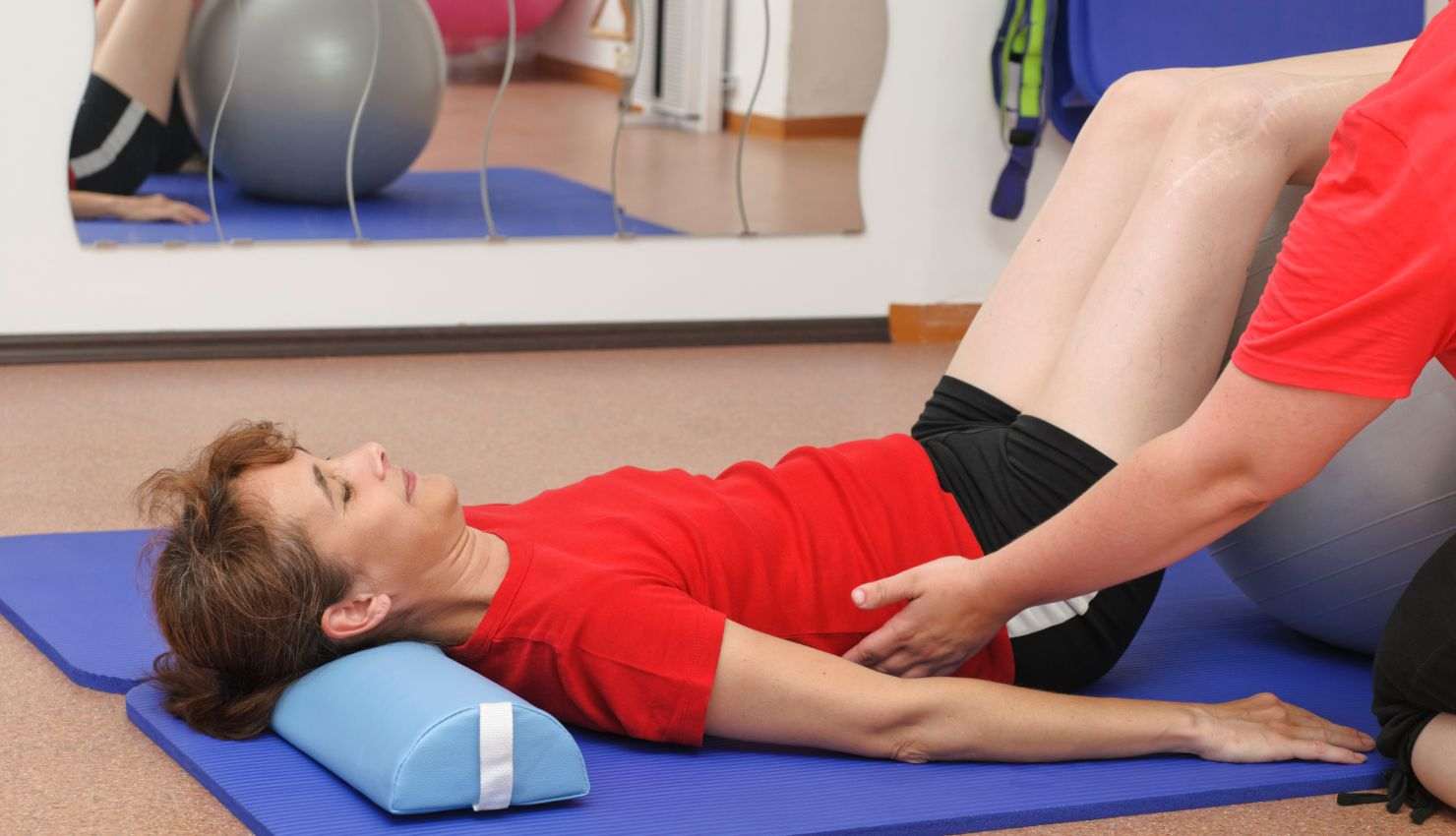
Muscle weakness and wasting (atrophy) often result from inactivity due to injury, illness, aging, or neurological conditions. These changes can lead to decreased strength, impaired mobility, poor posture, and increased risk of injury. Movement therapy is a powerful tool to counteract muscle loss, maintain function, and restore muscular balance through intentional, progressive activity.
Unlike standard exercise programs, movement therapy is tailored, mindful, and therapeutic, designed to safely engage muscles even when conventional movement is limited.
Understanding Muscle Weakness and Atrophy
Muscle atrophy can be:
Disuse-related from inactivity or immobilization (e.g., bed rest, casting)
Neurogenic due to nerve damage or conditions like MS, stroke, or spinal cord injury
Age-related (sarcopenia) a natural decline in muscle mass and function with aging
In all cases, movement is essential to maintain and restore muscular strength.
How Movement Therapy Helps Prevent Muscle Wasting
Activates Muscles Gently and Progressively
Even small, repeated motions can stimulate muscle fibers and prevent atrophy.
Improves Circulation and Nutrient Delivery
Movement boosts blood flow to muscles, aiding in tissue health and repair.
Stimulates Neuromuscular Communication
Reinforces the connection between brain and muscles, essential for control and reactivation.
Rebuilds Strength with Minimal Risk
Uses low-impact, functional movements suited to the individuals current capacity.
Promotes Full-Body Integration
Engages stabilizing and postural muscles often neglected during injury or immobility.
Key Movement Therapy Techniques to Preserve Muscle Mass
1. Isometric Exercises
Involves contracting a muscle without moving the joint.
Examples:
Pressing hands together
Tightening quads while seated
Core bracing or glute squeezes
Benefit: Activates muscles even when movement is limited or painful.
2. Resistance Band or Bodyweight Training
Uses light resistance for controlled strengthening.
Examples:
Seated leg lifts with a band
Wall push-ups
Step-ups or modified squats
Benefit: Builds endurance and strength without overloading joints.
3. Functional Movement Patterns
Restores movement used in daily life while activating key muscle groups.
Examples:
Sit-to-stand drills
Reaching, bending, and twisting
Controlled walking or stair climbing
Benefit: Prevents deconditioning and maintains independence.
4. Neuromuscular Re-Education
Retrains muscle activation through slow, mindful movement.
Examples:
Feldenkrais or somatic movement practices
Core engagement during simple motions
Breath-linked gentle movement to reduce muscle inhibition
Benefit: Restores control to weakened or disconnected areas.
5. Gentle Cardiovascular Movement
Low-impact movement to maintain endurance and full-body strength.
Examples:
Arm cycling or water walking
Seated marching
Tai Chi or Qigong
Benefit: Keeps muscles active and improves oxygenation.
When to Use Movement Therapy
Movement therapy is effective in preventing muscle loss in:
Post-surgical recovery
Chronic illness or fatigue syndromes
Aging or sedentary lifestyles
Stroke or spinal cord injury recovery
Neuromuscular disorders
It can begin as early as immobilization, with passive or assisted movements transitioning into active strengthening over time.
Benefits of Preventing Muscle Wasting Through Movement
Maintains independence and mobility
Reduces fall risk and joint stress
Supports metabolic health and bone density
Prevents secondary complications like pressure sores or contractures
Enhances mental health and confidence
Conclusion
Movement therapy is one of the most effective strategies to prevent and reverse muscle weakness and wasting. Its personalized, gentle, and function-focused approach ensures that individualsregardless of their condition or abilitycan keep their muscles active, engaged, and strong. Whether you’re recovering from injury or aiming to stay strong with age, movement therapy provides a safe and sustainable path forward.