Movement therapy is a structured, individualized approach that uses targeted exercises and…

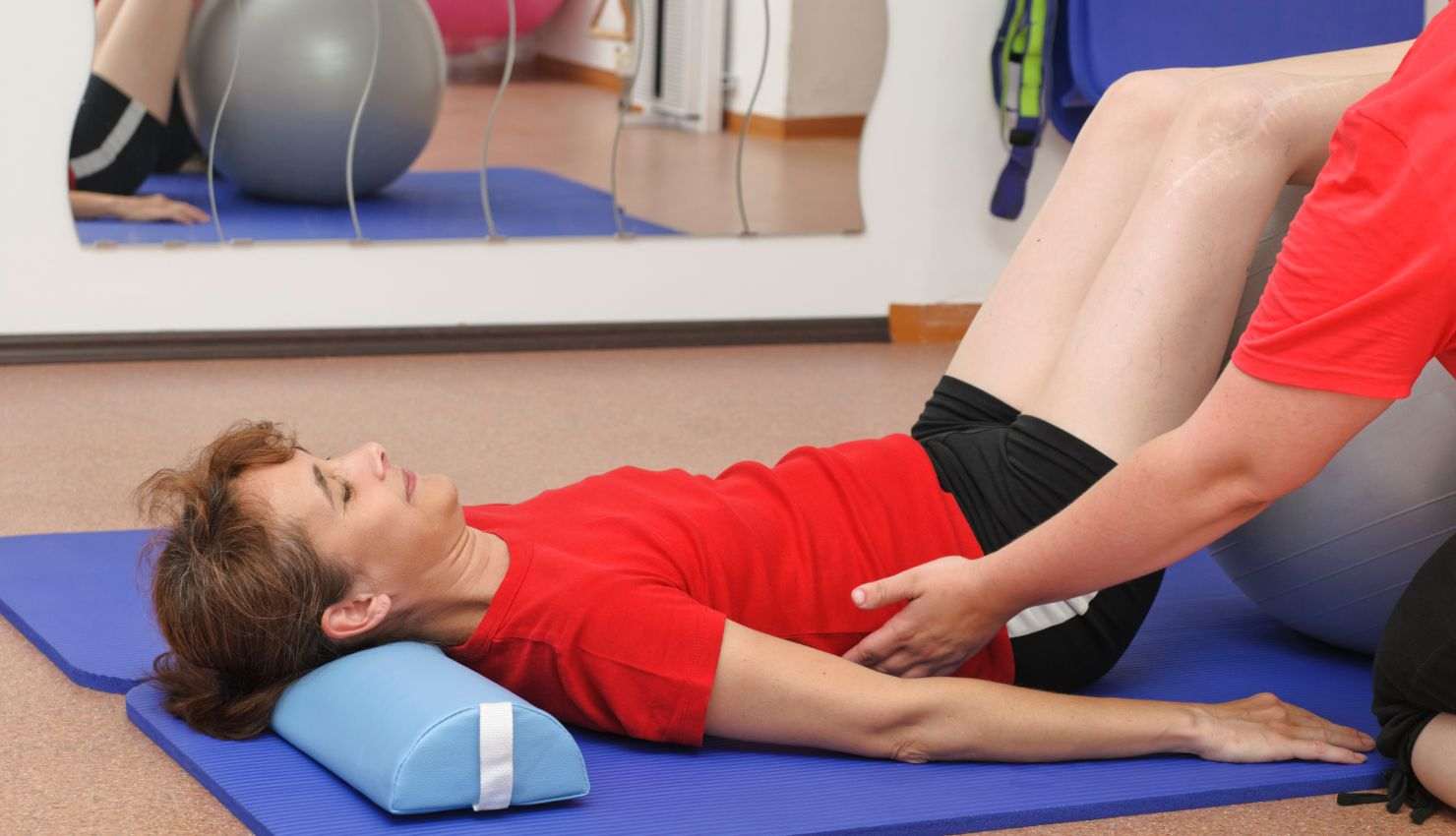
Movement therapy is a structured, individualized approach that uses targeted exercises and movement techniques to restore physical function, enhance mobility, and improve daily living skills. It plays a critical role in promoting functional independence, especially for individuals recovering from injury, surgery, chronic illness, or mobility-limiting conditions.
?? What is Functional Independence?
Functional independence refers to a persons ability to perform basic and complex daily activities without assistance. These activities may include:
Walking
Climbing stairs
Bathing, dressing, grooming
Lifting and reaching
Getting in/out of bed or a chair
Performing job-related or recreational tasks
When physical impairments limit these abilities, movement therapy helps individuals regain their confidence, autonomy, and quality of life.
?? Ways Movement Therapy Supports Functional Independence
1. Enhancing Strength and Endurance
Movement therapy improves muscle strength, which is essential for lifting, walking, and maintaining posture.
Progressive resistance training helps build stamina and reduce fatigue during daily activities.
2. Restoring Joint Mobility and Flexibility
Stiff or restricted joints limit functional movement. Therapy includes stretching, mobilization, and dynamic movements to restore range of motion.
This is crucial for tasks like bending, reaching, or standing from a seated position.
3. Improving Balance and Coordination
Movement therapy incorporates balance training and proprioceptive exercises to prevent falls and improve coordination.
This supports safe walking, stair climbing, and changes in position (e.g., sit to stand).
4. Correcting Movement Patterns and Posture
Poor posture or faulty movement mechanics can lead to pain and injury. Movement therapy re-educates the body to move more efficiently and safely.
This helps with lifting objects, walking without limping, or performing job-specific tasks correctly.
5. Reducing Pain and Stiffness
Chronic pain and joint stiffness can make everyday tasks difficult. Movement therapy includes low-impact exercises, mobilization techniques, and gentle strengthening to relieve discomfort and restore function.
6. Supporting Cognitive and Neurological Integration
For individuals with neurological conditions (e.g., stroke, Parkinsons, multiple sclerosis), movement therapy incorporates task-specific training that improves motor planning and execution.
This fosters better engagement with functional tasks.
7. Building Confidence and Reducing Dependency
As individuals gain physical abilities through therapy, their confidence increases, and their reliance on caregivers or assistive devices decreases.
This psychological boost enhances motivation and long-term adherence to functional routines.
?? Examples of Functional Movement Therapy Activities
Activity Functional Benefit
Sit-to-stand drills Improves ability to rise from a chair or toilet
Step-ups or stair climbing Supports navigating stairs or curbs
Reaching and overhead movements Helps with dressing, cooking, or cleaning
Gait training Restores walking ability and reduces fall risk
Core stabilization exercises Aids in posture and safe transfers
Functional lifting/squatting Rebuilds capacity to carry groceries or children
?? Who Benefits Most?
Post-surgical patients (e.g., joint replacement)
Stroke or spinal cord injury survivors
Individuals with arthritis, osteoporosis, or neurological conditions
Seniors at risk of falling
People recovering from prolonged immobilization or hospitalization