Movement therapy is a powerful, non-invasive approach to reducing pain and inflammationes…

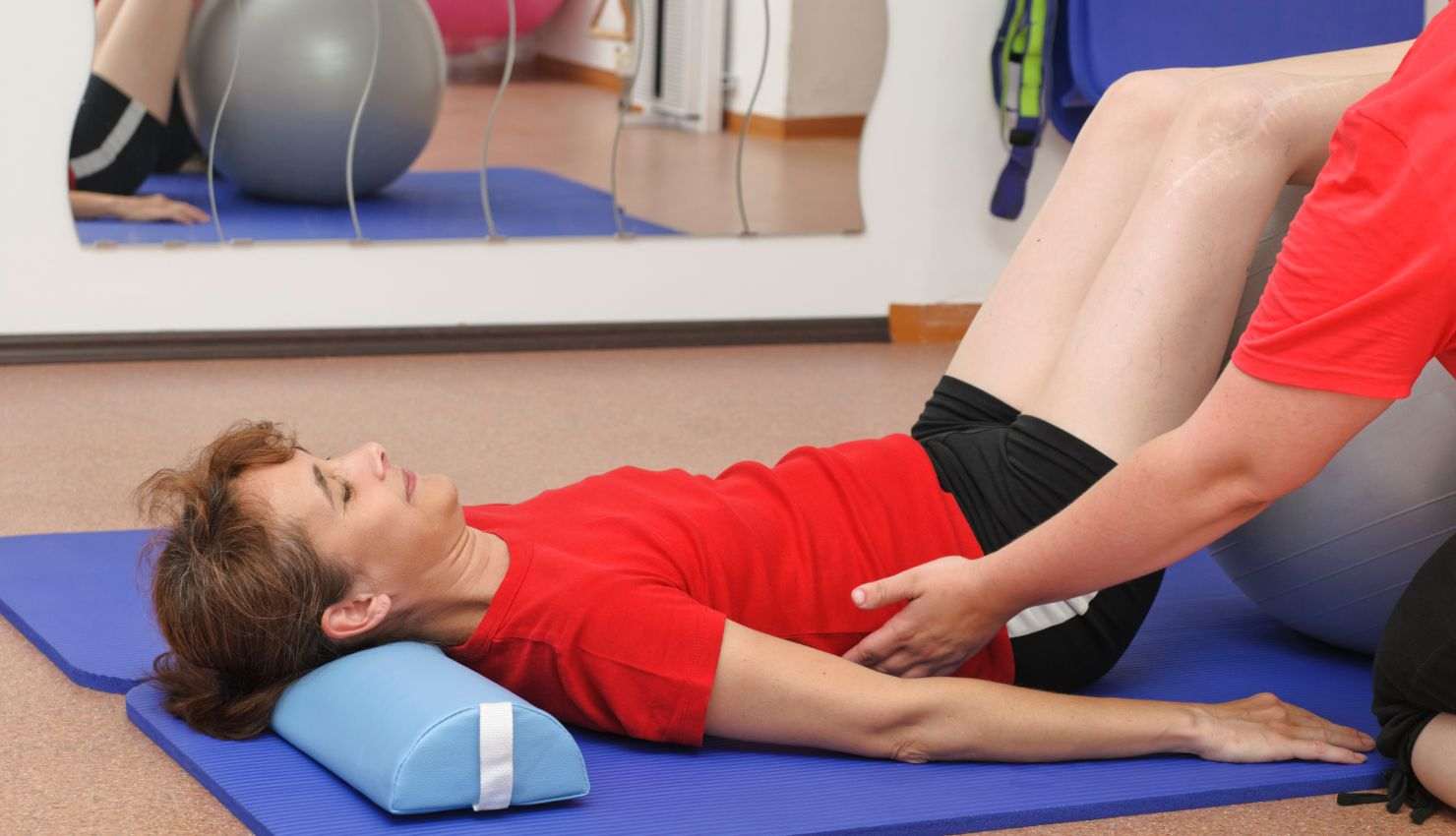
Movement therapy is a powerful, non-invasive approach to reducing pain and inflammationespecially in musculoskeletal and chronic conditions. By promoting controlled, purposeful movement, it activates the bodys natural healing mechanisms and restores optimal function to joints, muscles, and connective tissue.
?? The Science Behind Pain and Inflammation
Pain and inflammation often result from:
Injury or trauma (acute inflammation)
Poor posture or repetitive strain
Muscle imbalances or joint restrictions
Chronic conditions (e.g., arthritis, fibromyalgia)
When movement is restricted or dysfunctional, it leads to stagnation, poor circulation, increased muscle tension, and ongoing inflammation. Movement therapy breaks this cycle.
?? How Movement Therapy Works to Reduce Pain & Inflammation
? 1. Improves Circulation and Lymphatic Flow
Gentle movement increases blood flow, delivering oxygen and nutrients to tissues while flushing out waste and inflammatory byproducts.
Example: Light joint mobilizations or walking can reduce stiffness and swelling in arthritic joints.
? 2. Activates Natural Pain Modulators
Movement stimulates the release of:
Endorphins the bodys natural painkillers
Serotonin and dopamine neurotransmitters that elevate mood and pain tolerance
Movement therapy acts like a natural analgesic without the side effects of medications.
? 3. Reduces Muscle Tension and Spasms
Targeted exercises help release chronically tight or overworked muscles, relieving pressure on joints and nerves.
Example: Stretching the hip flexors and activating the glutes can reduce lower back pain.
? 4. Restores Joint Mobility and Alignment
Corrective exercises reduce mechanical stress on joints by improving posture and muscular balance.
Example: Thoracic mobility drills can relieve shoulder and neck pain caused by slouching.
? 5. Retrains the Nervous System
Pain often becomes a learned pattern. Movement therapy helps the brain “re-map” pain signals by teaching safer, more efficient movement strategies.
Known as neuromuscular re-education, this rewiring can decrease chronic pain sensitivity.
? 6. Promotes Anti-Inflammatory Response
Regular movement can lower levels of systemic inflammation by:
Reducing fat stores that produce pro-inflammatory cytokines
Enhancing production of anti-inflammatory myokines through muscle activation
?? Examples of Pain-Relieving Movement Therapy Techniques
Technique Benefits Sample Movements
Gentle Range of Motion (ROM) Lubricates joints, reduces stiffness Shoulder circles, ankle pumps
Dynamic Stretching Prepares muscles for movement, improves flexibility Leg swings, cat-cow
Isometric Exercises Builds stability without joint stress Wall sits, static glute bridges
Myofascial Release Releases tension and knots in fascia Foam rolling, trigger point work
Breath-Integrated Movement Calms the nervous system, reduces pain perception Diaphragmatic breathing with movement
Tai Chi / Qigong / Yoga Combines slow, controlled movement with mindfulness Great for chronic pain relief and mobility
?? Conditions That Benefit from Movement Therapy for Pain & Inflammation
Osteoarthritis and rheumatoid arthritis
Chronic back and neck pain
Fibromyalgia
Tendinitis and bursitis
Post-surgical inflammation
Sciatica or nerve impingement
Autoimmune conditions with pain flare-ups
?? Important Guidelines
Start slowly Begin with low-impact, pain-free ranges
Focus on quality Controlled movement reduces strain and promotes neuromuscular balance
Avoid aggravating activities Stay within a pain-free or mild discomfort threshold
Be consistent Even 1015 minutes a day can yield long-term relief
Combine with rest and recovery Movement should complementnot replacehealing time
?? Sample Daily Movement Routine for Pain & Inflammation (1015 min)
1. Diaphragmatic Breathing (2 min)
Lie on your back, breathe deeply into the belly.
2. Joint Mobilizations (3 min)
Neck rolls, shoulder rolls, ankle circles, pelvic tilts.
3. Gentle Dynamic Stretching (5 min)
Cat-cow, wall angels, standing hamstring sweeps.
4. Stability Activation (35 min)
Dead bug, glute bridge, or isometric core holds.
?? Final Thoughts
Movement therapy helps reduce pain and inflammation not by masking symptomsbut by treating the root cause: dysfunctional movement, poor circulation, and neuromuscular imbalance. It’s a sustainable, empowering approach that supports both short-term relief and long-term health.