Movement therapy is a holistic, body-centered approach that blends physical activity with…

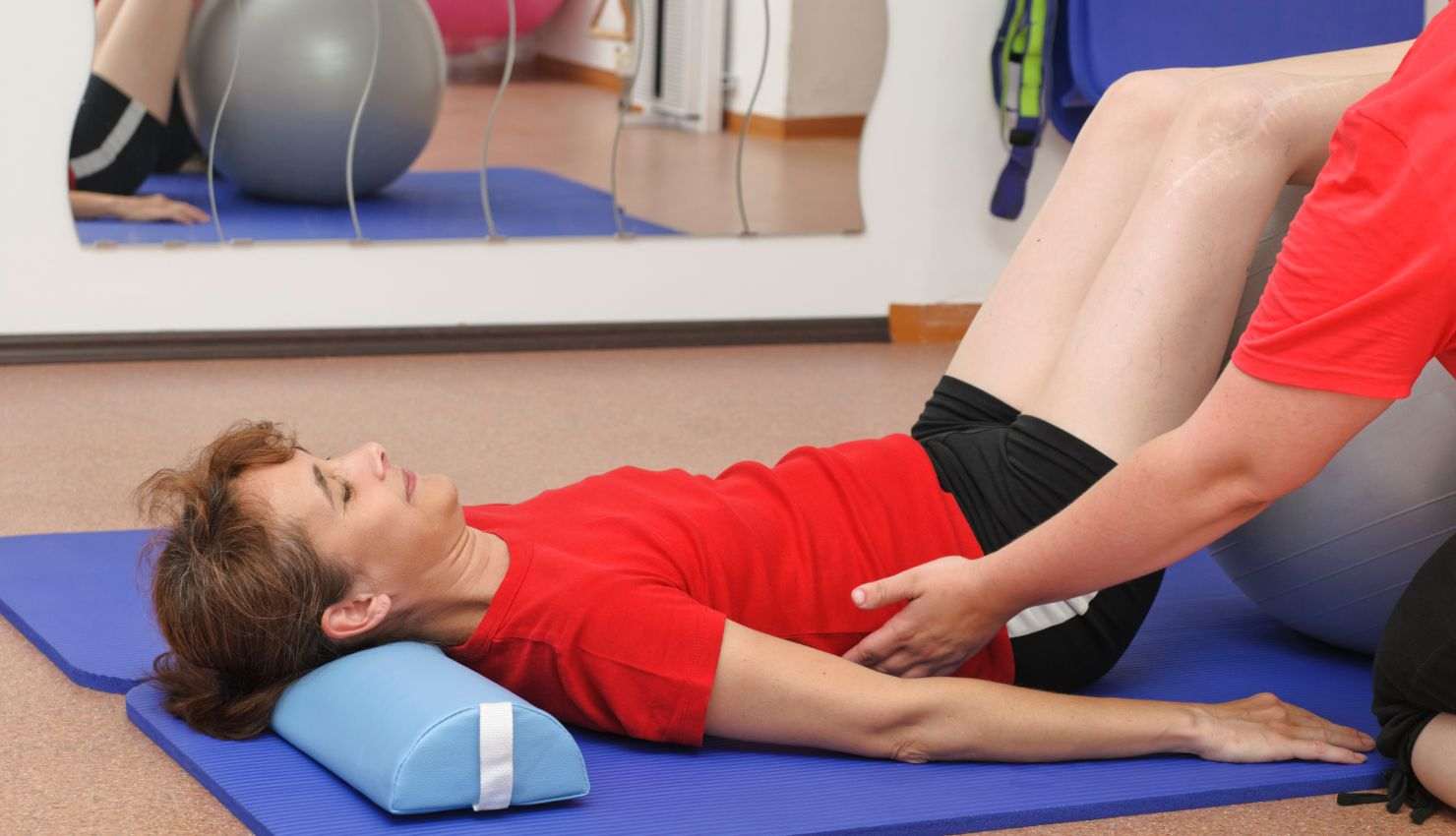
Movement therapy is a holistic, body-centered approach that blends physical activity with mindful awareness to restore balance in both the musculoskeletal system and the nervous system. By guiding the body through purposeful, fluid, and controlled movements, it helps to release physical tension, calm the mind, and regulate stress responsesmaking it a powerful tool for overall well-being.
?? The Mind-Body Connection in Stress and Tension
When the body is under stresswhether physical or emotionalit often responds with:
Muscle tension (especially in the neck, shoulders, and lower back)
Shallow breathing and poor posture
Reduced joint mobility and circulation
Increased sympathetic nervous system activity (fight or flight)
Movement therapy helps counteract these effects by promoting parasympathetic activation (rest and digest), improving blood flow, and encouraging full-body relaxation.
????? How Movement Therapy Alleviates Stress and Tension
? 1. Releases Muscular Tightness
Gentle stretching, dynamic movement, and myofascial release techniques help release chronic tightness stored in the fascia and muscles.
Focused movement enhances circulation and oxygen delivery to stiff or sore areas.
? 2. Improves Breathing Patterns
Breath-led movement practices (e.g., diaphragmatic breathing with stretching) restore calm, rhythmical breathing, which reduces anxiety and tension.
Coordinating breath with motion activates the vagus nerve and calms the nervous system.
? 3. Encourages Mindful Awareness
Movement therapy promotes present-moment awareness, which quiets mental chatter and reduces the emotional load that contributes to physical tension.
Mindful movement allows individuals to notice and release tension they may not be consciously aware of.
? 4. Restores Postural Balance
Poor posture from stress (slumped shoulders, forward head) can lead to muscle fatigue and joint stress. Movement therapy corrects these imbalances, relieving discomfort.
? 5. Promotes Endorphin Release
Physical movement boosts mood-enhancing chemicals like endorphins and serotonin, helping to lift mood and reduce feelings of stress or overwhelm.
? 6. Stimulates the Relaxation Response
Gentle, rhythmic movementssuch as rocking, swaying, or slow mobility flowssend calming signals to the brain, helping the body shift out of high-alert mode.
????? Types of Movement Therapy Effective for Stress Relief
Technique How It Helps
Somatic movement practices Increase body awareness and release unconscious tension
Gentle yoga and tai chi Combine fluid movement with breath and mindfulness
Feldenkrais Method Retrains movement patterns to reduce strain
Myofascial release (self or guided) Frees up stuck connective tissue and improves circulation
Mobility flows and dynamic stretching Loosens tight muscles and enhances joint lubrication
?? Simple Movement Therapy Sequence for Tension Release (1015 Minutes)
Diaphragmatic breathing 12 minutes
Neck and shoulder rolls 1 minute
Cat-cow spinal waves 12 minutes
Seated or standing torso twists 1 minute
Hip and spine rocking motions 2 minutes
Full-body stretch with breath (arms overhead inhale, fold exhale) 23 minutes
Relaxation pose (supine with knees bent) + deep breathing 3 minutes
? Benefits Reported by Practitioners
Relief from chronic muscle tension and fatigue
Calmer mood and better emotional regulation
Improved sleep and energy levels
Reduced physical symptoms of anxiety (tight jaw, headaches, back pain)
Greater ease and fluidity of movement throughout the day