Movement therapy is a powerful, proactive approach that helps individuals move more effici…

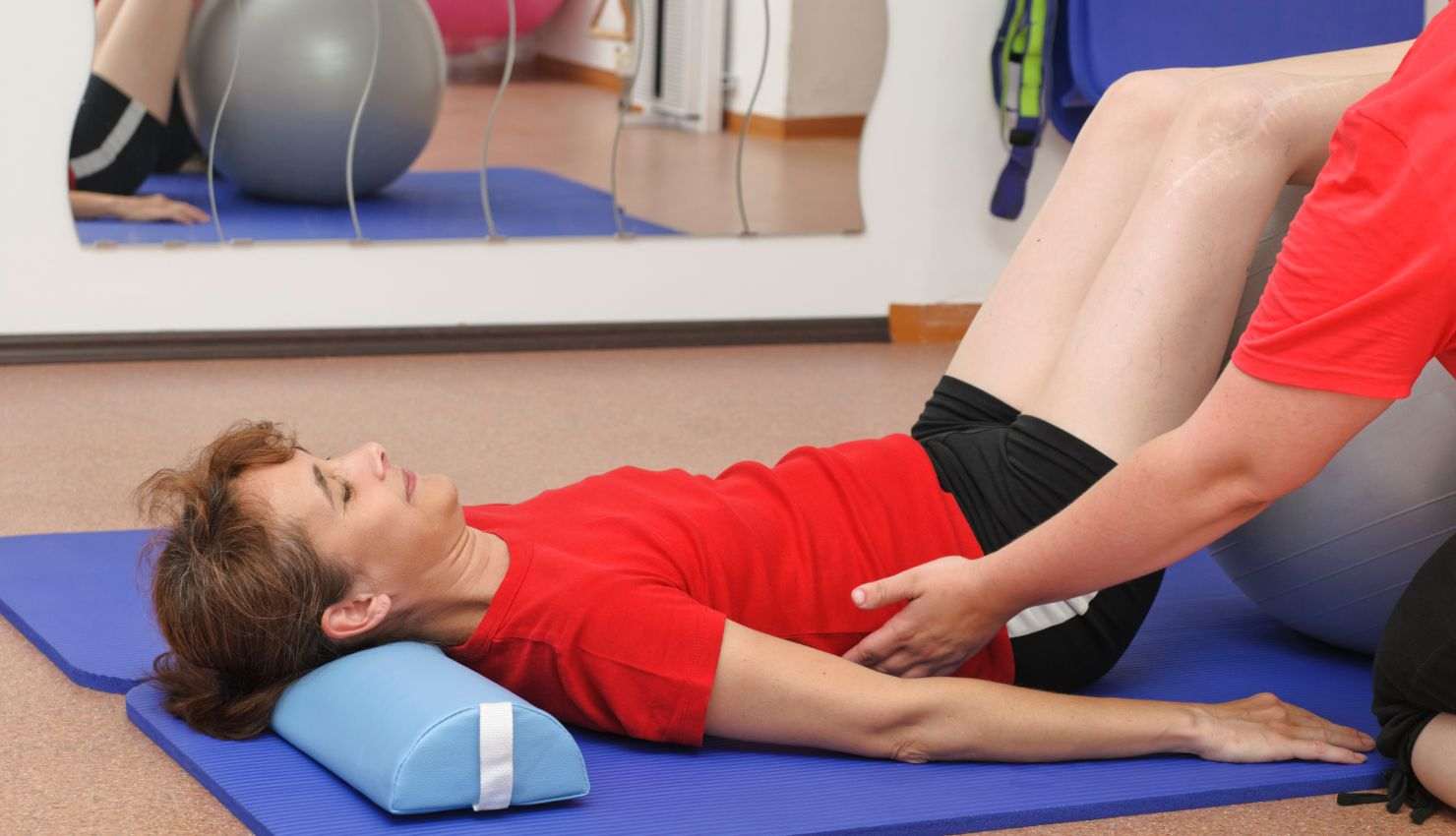
Movement therapy is a powerful, proactive approach that helps individuals move more efficiently, safely, and with better body awarenessultimately reducing the risk of injury during exercise. It focuses on restoring and enhancing mobility, stability, balance, coordination, and muscular control across all movement patterns. By correcting imbalances, reinforcing proper technique, and improving neuromuscular control, movement therapy creates a more resilient and adaptable body that can handle the demands of physical activity.
?? Why Injuries Happen During Exercise
Common causes of exercise-related injuries include:
Poor movement mechanics or technique
Muscle imbalances or weakness
Joint stiffness or limited range of motion
Lack of proprioception and coordination
Overtraining without adequate recovery
Insufficient warm-up or preparation
Movement therapy addresses all these risk factors by retraining the body to move properly and efficiently before, during, and after exercise.
?? How Movement Therapy Prevents Exercise Injuries
? 1. Corrects Movement Dysfunction
Improper movement patternslike overpronation in the feet, poor squat form, or lumbar spine overextensioncan lead to repetitive strain. Movement therapy identifies and retrains these faulty mechanics.
Examples:
Hip-hinge drills to teach proper lifting mechanics
Scapular control exercises for shoulder health
Neutral spine awareness during squats and deadlifts
? 2. Improves Joint Mobility and Flexibility
Restricted range of motion can force the body to compensate, increasing injury risk. Movement therapy uses mobilization techniques to free up stiff joints and restore natural range.
Examples:
Thoracic spine extensions for upper body mobility
Ankle dorsiflexion drills to improve squat and running form
Dynamic hamstring and hip flexor stretches
? 3. Enhances Core Stability and Control
A stable core provides the foundation for safe movement. Weak or uncoordinated core muscles often lead to compensatory strain on the spine and extremities.
Examples:
Bird-dog and dead bug exercises for dynamic core stability
Side planks and glute bridges for lumbopelvic control
Pelvic tilts to improve spinal alignment
? 4. Balances Muscle Strength
Movement therapy targets underactive muscles (often neglected in traditional workouts) and reduces overreliance on dominant ones.
Examples:
Activating glutes to reduce strain on lower back and knees
Strengthening lower traps and rhomboids to prevent shoulder impingement
Addressing left-right asymmetries
? 5. Boosts Proprioception and Coordination
Proprioception (body awareness) is crucial for reacting to dynamic environments and unexpected changes during movement. Improved coordination reduces the chance of missteps or poor form.
Examples:
Balance training on uneven surfaces
Agility drills with movement reactivity
Single-leg exercises to build joint stability
? 6. Promotes Better Warm-Ups and Cool-Downs
Incorporating movement therapy into warm-ups ensures the nervous system is engaged and the muscles are prepared. Cool-downs help reduce post-exercise stiffness and aid recovery.
Warm-Up Techniques:
Dynamic stretches (arm circles, leg swings)
Spinal mobilization (cat-cow, thoracic rotations)
Core engagement drills (plank variations)
Cool-Down Techniques:
Active stretching
Breathwork and body scanning
Foam rolling or gentle somatic movements
?? Example: Movement Therapy Application for Injury Prevention
Exercise: Running
Common Injury: IT band syndrome, shin splints, ankle sprains
Movement Therapy Focus:
Ankle mobility drills
Hip abductor and glute strengthening
Gait retraining and cadence work
Core stabilization
Result: Reduced strain on knees and feet, better shock absorption, improved efficiency
?? Benefits of Movement Therapy for Injury Prevention
Benefit How It Helps
Optimized biomechanics Reduces wear and tear on joints and tissues
Balanced muscle recruitment Prevents overuse of dominant or tight muscles
Enhanced movement control Minimizes slips, twists, and compensations
Greater range of motion Allows safe performance of dynamic exercises
Faster recovery and adaptation Improves training consistency and resilience
??? Best Practices for Injury Prevention with Movement Therapy
Integrate therapy into warm-up routines (510 minutes)
Use therapy days between intense workouts to restore mobility
Focus on quality of movement, not just reps or weight
Perform movement screens (e.g., FMS) to identify risk areas
Adapt exercises to your bodys needsno one-size-fits-all