Movement therapy isnt just for injury recoveryits a proactive approach to maintaining o…

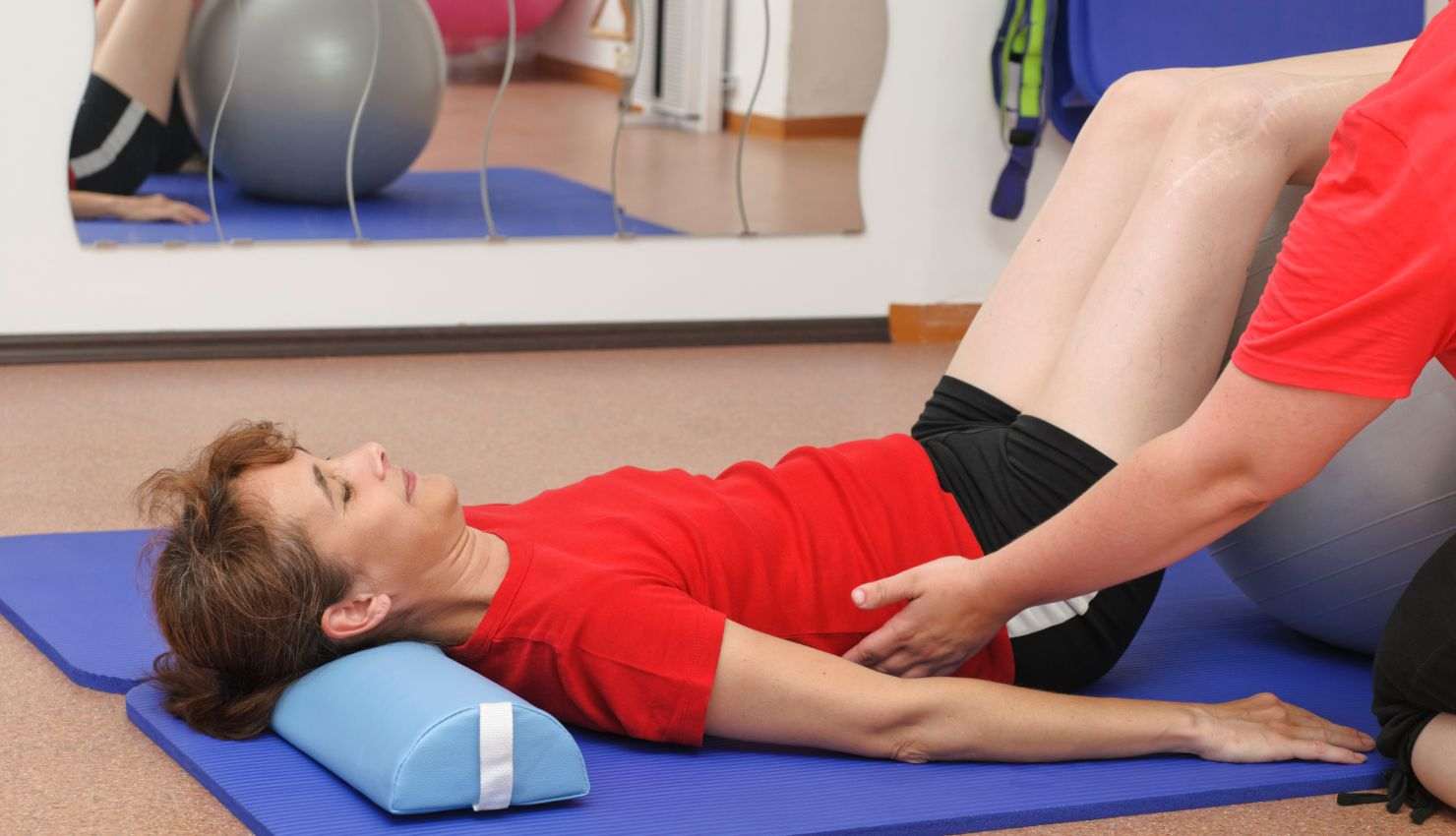
Movement therapy isnt just for injury recoveryits a proactive approach to maintaining overall health, preventing disease, and enhancing quality of life. By promoting natural, efficient movement patterns, this therapeutic practice offers lasting benefits for the body and mind.
1. Improves Mobility and Flexibility
Regular movement therapy reduces stiffness in joints and muscles, allowing for a greater range of motion. As we age, maintaining flexibility becomes vital to prevent falls, maintain posture, and keep doing daily activities with ease.
Benefits: Easier movement, reduced joint pain, enhanced physical independence.
2. Enhances Muscular Strength and Endurance
Many movement therapy techniques incorporate bodyweight exercises, resistance work, and functional strength training. These improve muscle tone and endurance without the strain of high-impact workouts.
Benefits: Better posture, joint support, and energy for daily tasks.
3. Supports Joint Health and Reduces Chronic Pain
By aligning the body properly and strengthening supporting muscles, movement therapy can ease pressure on joints and reduce chronic pain from conditions like arthritis, tendonitis, or past injuries.
Benefits: Less dependency on medications, improved quality of life.
4. Boosts Cardiovascular and Respiratory Function
Gentle, sustained movement practiceslike therapeutic walking, aquatic therapy, or breath-integrated exercisescan enhance circulation and breathing efficiency over time.
Benefits: Improved stamina, reduced risk of cardiovascular disease.
5. Promotes Mental and Emotional Well-Being
Movement therapy often integrates mindfulness, deep breathing, and body awareness techniques. These help reduce stress, anxiety, and symptoms of depression by calming the nervous system and improving self-regulation.
Benefits: Better mood, mental clarity, and emotional resilience.
6. Prevents Injuries and Encourages Lifelong Activity
By teaching the body to move efficiently and with control, movement therapy reduces the risk of common injuries caused by poor posture, muscle imbalances, or repetitive strain.
Benefits: Increased confidence in physical activity, active lifestyle sustainability.
7. Supports Neurological Health
Movement therapy benefits those with neurological conditions like Parkinsons disease, stroke, or multiple sclerosis by improving coordination, balance, and neuroplasticity (the brains ability to form new neural connections).
Benefits: Greater independence, cognitive support, slowed disease progression.
Conclusion
Movement therapy is a holistic and sustainable approach to health that empowers people to move with purpose, reduce pain, and stay active throughout life. Whether you’re recovering from an injury or simply aiming to stay strong and mobile as you age, incorporating movement therapy can be a cornerstone of lifelong wellness.