Movement therapy is a proactive, restorative approach that not only aids in recovery but a…

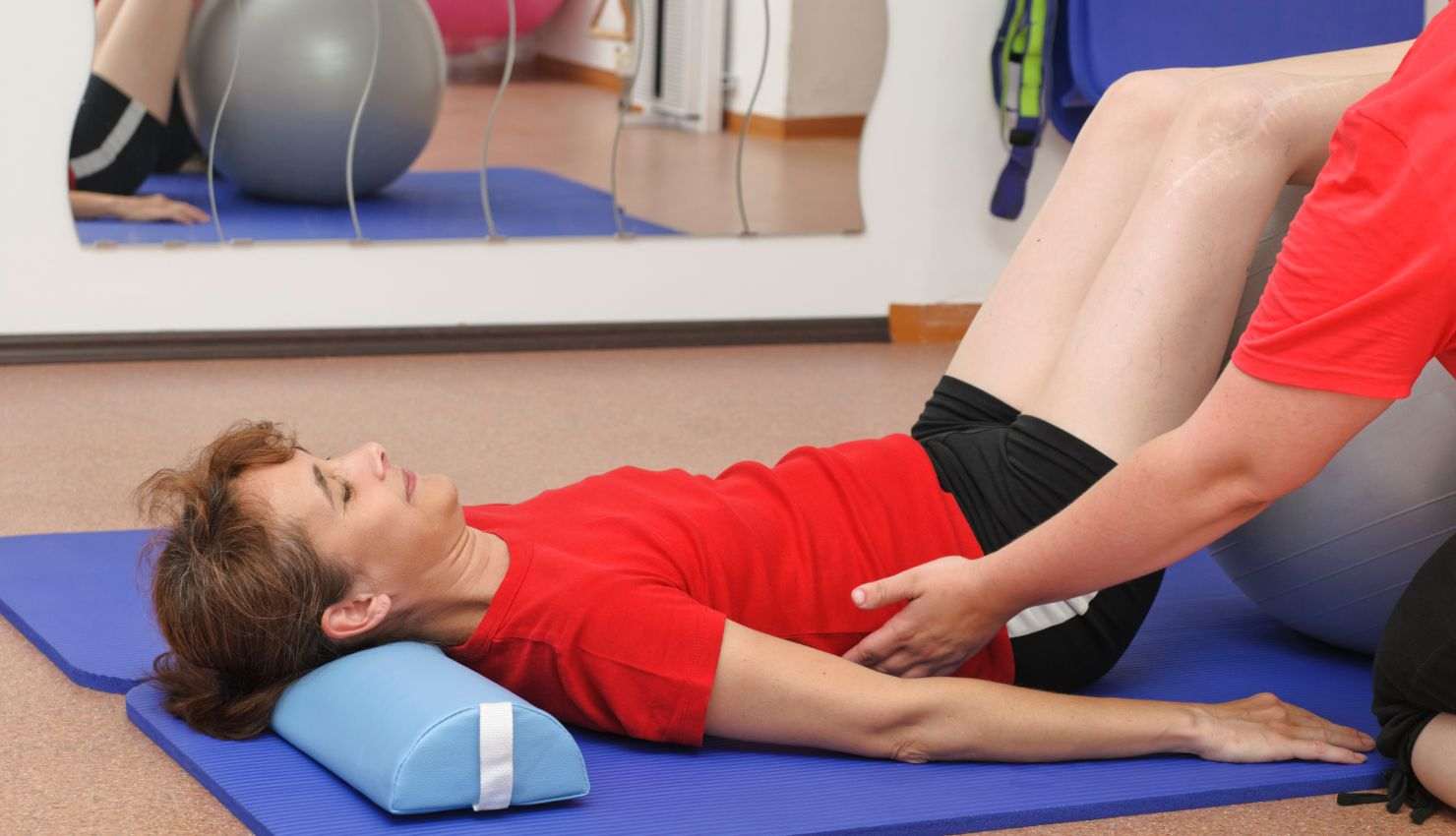
Movement therapy is a proactive, restorative approach that not only aids in recovery but also plays a critical role in preventing injuries before they occur. By improving body mechanics, correcting imbalances, and enhancing awareness of movement patterns, it helps individuals build a resilient, adaptable body thats less prone to strain, overload, and repetitive stress injuries.
??? Why Injury Prevention Is Essential
Many injuriesespecially those from sports, work, or daily activitydevelop over time due to:
Poor posture or body mechanics
Muscle imbalances
Limited flexibility or joint mobility
Weak stabilizing muscles (e.g., core, glutes)
Lack of neuromuscular control or coordination
Movement therapy addresses these root causes, rather than just treating symptoms after the injury occurs.
? Core Ways Movement Therapy Prevents Injuries
Focus Area Injury Prevention Benefit
Posture correction Reduces chronic strain on joints and muscles
Muscle balance and symmetry Prevents compensations and overload injuries
Joint mobility and stability Enhances control and resilience under stress
Functional movement retraining Builds safer movement patterns in real-world tasks
Core and stabilizer strengthening Protects spine and improves dynamic stability
Proprioceptive training Increases body awareness and responsiveness
?? Common Injuries Movement Therapy Helps Prevent
Low back strain
Knee pain (e.g., patellofemoral syndrome, ACL issues)
Shoulder impingement or rotator cuff injuries
Hip bursitis or tight hip flexors
Ankle sprains
Repetitive strain injuries (e.g., tendinitis, carpal tunnel)
?? Key Movement Therapy Strategies for Prevention
?? 1. Postural Realignment Drills
Example: Wall angels, chin tucks, thoracic extension work
Benefit: Offloads spinal stress, improves ergonomic positioning
?? 2. Mobility-Focused Movement
Example: Hip openers, thoracic rotations, shoulder dislocates
Benefit: Enhances joint range, prevents overuse due to stiffness
?? 3. Stabilizer Activation
Example: Glute bridges, bird-dog, dead bug, side planks
Benefit: Engages underactive support muscles, balances movement
?? 4. Dynamic Control and Balance
Example: Single-leg exercises, balance board work, step-downs
Benefit: Trains neuromuscular control for unexpected movement
?? 5. Movement Pattern Refinement
Example: Squat form, hip hinge drills, gait training
Benefit: Prevents compensation and repetitive stress during activity
?? Sample Weekly Movement Therapy Routine (Injury Prevention Focus)
Day Focus Activities
Monday Posture & Core Wall slides, bird-dog, dead bug, cat-cow
Tuesday Hip & Knee Stability Glute bridges, step-ups, hip openers
Wednesday Active Recovery & Mobility Yoga flow, foam rolling, thoracic mobility drills
Thursday Balance & Proprioception Single-leg reach, side planks, BOSU/unstable surface
Friday Full-Body Integration Controlled lunges, overhead reach squats, walk drills
?? Education and Awareness: A Key Component
Movement therapy also builds mindful movement awareness, teaching individuals to:
Recognize when their posture or form is slipping
Identify early warning signs of overuse or fatigue
Understand how to adjust movements to reduce strain
Develop a habit of warming up and cooling down properly
?? Long-Term Benefits of Movement Therapy for Injury Prevention
Benefit Result
Better movement habits Fewer chronic issues and repetitive injuries
Enhanced physical resilience Body can tolerate more activity with lower risk
Greater confidence in movement Less fear of reinjury or movement-related pain
Reduced healthcare and downtime Fewer interruptions in training, work, or daily life