How Osteopathy Addresses Musculoskeletal Dysfunction explores targeted strategies for recovery. Discover new paths to mobility, healing, and personalized care.

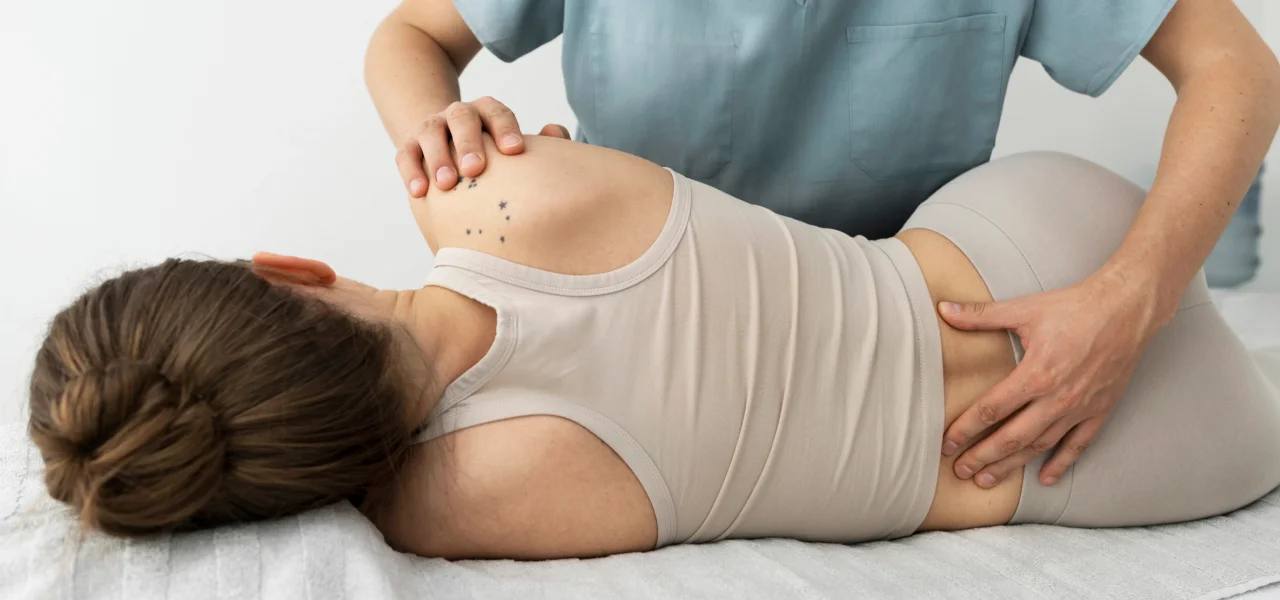
If youve ever dealt with nagging back pain, stiff joints, or muscle tension that just wont quit, chances are youve experienced some form of musculoskeletal dysfunction. It’s a term that might sound clinical, but it basically refers to when your bodys muscles, bones, joints, and connective tissues arent working together the way they should.
Enter osteopathya gentle, hands-on therapy that doesnt just chase symptoms but goes straight to the source. Osteopathy focuses on restoring balance and mobility to the body, helping it function at its best.
Lets dive into how this holistic approach works its magic on musculoskeletal dysfunction.
What Is Musculoskeletal Dysfunction?
Musculoskeletal dysfunction can show up in many waystight muscles, joint pain, poor posture, limited range of motion, even headaches. It often stems from things like:
Poor posture or repetitive movements
Injuries (recent or old)
Sedentary lifestyles
Stress and muscle guarding
Structural imbalances (like one leg slightly shorter than the other)
When these issues go unaddressed, your body starts to compensatewhich can create more problems down the line. Thats why treating the root cause is so important. And thats exactly what osteopathy is built to do.
The Osteopathic Approach: Whole-Body, Hands-On Healing
Osteopaths are trained to see the body as a connected system. Instead of zeroing in on just the painful area, they take a step back to look at how the entire musculoskeletal system is functioning. That means considering your posture, how you walk, how your joints move, and even how your breathing patterns might be affecting your bodys alignment.
Heres how osteopathy gets to work on musculoskeletal dysfunction:
1. Identifying Imbalances
Osteopaths use detailed observation, palpation (gentle touch), and movement tests to spot areas of tension, restriction, or misalignment. Often, the issue is not where the pain isit’s somewhere else entirely thats causing the pain.
2. Restoring Movement
Using a range of techniquesincluding joint mobilization, soft tissue work, and myofascial releaseosteopaths help restore normal movement to restricted areas. This improves mobility, reduces stiffness, and eases the load on overworked parts of the body.
3. Improving Circulation and Function
When your musculoskeletal system is out of sync, blood flow, lymphatic drainage, and nerve signals can be affected. Osteopathy helps improve these systems, supporting the bodys natural ability to heal and function optimally.
4. Reducing Pain Without Drugs
By addressing the structural and functional causes of pain, osteopathy helps relieve discomfort without relying on medication. It also reduces inflammation, eases muscle tension, and calms the nervous system.
Common Musculoskeletal Conditions Treated with Osteopathy
Osteopathy is incredibly versatile and can be used to treat a wide range of conditions, including:
Back and neck pain
Joint issues (shoulders, hips, knees, etc.)
Muscle tightness and strain
Postural imbalances
Repetitive strain injuries
Sciatica and nerve compression
Headaches and TMJ (jaw dysfunction)
Its also great for people who are recovering from injuries, managing chronic conditions like arthritis, or just feeling off in their movement.
Supporting Long-Term Musculoskeletal Health
One of the best things about osteopathy is that its preventive as well as corrective. It doesnt just help when something goes wrongit can help keep things from going wrong in the first place.
By improving alignment, releasing tension, and encouraging better movement patterns, osteopathy helps you:
Reduce the risk of injury
Improve athletic performance
Maintain joint and muscle health as you age
Feel more comfortable and connected in your body
Final Thoughts: A Smarter Way to Support Your Body
Musculoskeletal dysfunction can hold you backbut it doesnt have to. Osteopathy offers a safe, natural, and effective way to restore balance, ease pain, and get your body functioning the way it was meant to.
Whether you’re healing from an injury or just want to move and feel better every day, osteopathy provides a whole-body approach that works with your body to create lasting change.