How Osteopathy and Structural Integration Improve Your Quality of Life explores targeted strategies for recovery. Discover new paths to mobility, healing, and personalized care.

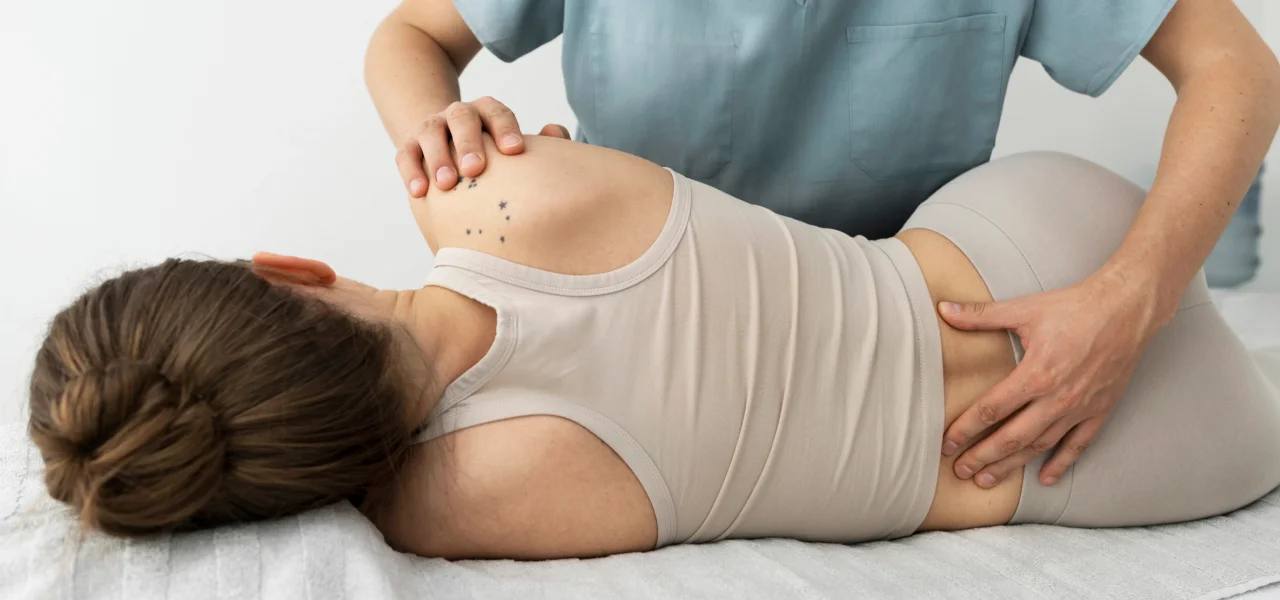
Lets face itlife takes a toll on our bodies. From long hours at a desk to injuries, poor posture, or everyday stress, its easy to fall out of alignment. Over time, these imbalances can lead to chronic pain, fatigue, and a general sense of not feeling right.
Thats where osteopathy and structural integration come in. These two complementary therapies work together to realign your body, restore natural movement, and boost your overall wellbeinghelping you not just get through the day, but truly thrive.
What Is Osteopathy?
Osteopathy is a form of manual therapy that focuses on how your bones, muscles, joints, and connective tissue function together. Its all about treating the root causes of discomfortnot just the symptomsusing gentle, hands-on techniques to support your bodys natural healing ability.
Whether youre dealing with back pain, poor posture, or stress-related tension, osteopathy works to rebalance your system so your body can move and heal more efficiently.
What Is Structural Integration?
Structural integration, often associated with the Rolfing method, is a form of bodywork that targets the fasciathe connective tissue that surrounds muscles and organs. When fascia becomes tight or stuck due to injury, stress, or repetitive habits, it pulls your body out of alignment.
Structural integration focuses on releasing tension and restoring balance across your entire body, often through a series of sessions that progressively unwind old holding patterns.
How These Therapies Work Together
Think of osteopathy as helping your body function better, and structural integration as helping it hold that better function.
Heres how the two approaches complement each other beautifully:
?? Releasing Physical Restrictions
Osteopathy improves joint mobility and muscle function, while structural integration works on the fascia to release long-held tension. Together, they create a powerful shift in how your body feels and moves.
?? Improving Posture and Alignment
When your body is out of alignment, it can affect everything from your breathing to your digestion. Both therapies help restore a natural, upright posturereducing strain on your joints and improving how you carry yourself.
?? Reducing Chronic Pain and Tension
Many people turn to these therapies for relief from back pain, neck stiffness, sciatica, and more. By addressing both structural issues and soft tissue imbalances, osteopathy and structural integration provide deep, lasting relief.
?? Enhancing Body Awareness
Youll begin to notice how you stand, walk, sit, and move. That improved body awareness can help prevent future injuries and encourage healthier habits in everyday life.
?? Boosting Energy and Emotional Wellbeing
When your body is aligned and free from chronic tension, everything flows more easilyincluding your circulation, breathing, and nervous system function. The result? More energy, better sleep, and even a lift in your mood.
Who Can Benefit?
Almost anyone! These therapies are especially helpful for people dealing with:
Chronic musculoskeletal pain
Poor posture or scoliosis
Stress and tension-related discomfort
Sports or workplace injuries
Mobility issues
General fatigue or feeling off in the body
Whether youre active, recovering, or just looking to feel more comfortable in your skin, osteopathy and structural integration can support you at any stage of life.
Final Thoughts
Your body is incredibly smartit remembers, adapts, and compensates. But sometimes, it needs a little help letting go of old tension and finding its natural rhythm again.
Osteopathy and structural integration dont just treat painthey help you reconnect with your body, move with more ease, and feel more at home in yourself. Its not just about healing. Its about living betterevery day.