How Osteopathy and Structural Integration Together Support Wellness explores targeted strategies for recovery. Discover new paths to mobility, healing, and personalized care.

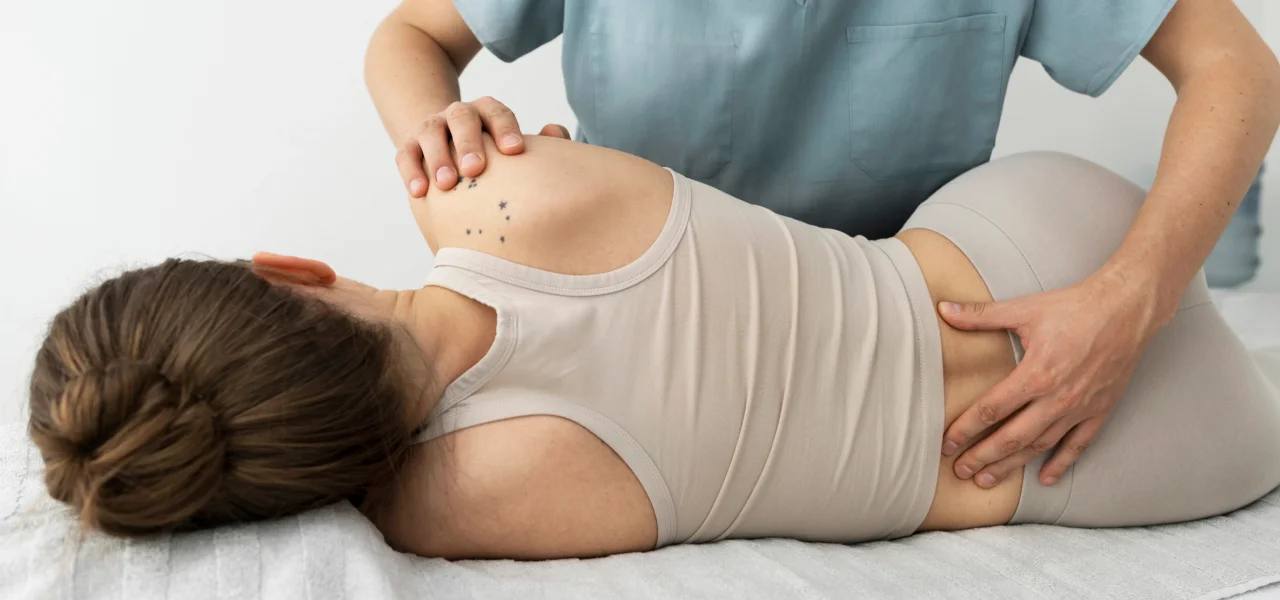
Osteopathy and Structural Integration (SI) are both holistic therapeutic approaches that aim to restore balance, enhance mobility, and promote overall well-being. While osteopathy focuses on diagnosing, treating, and preventing musculoskeletal disorders, primarily through manipulation of the spine and joints, Structural Integration targets the fasciathe connective tissue that surrounds muscles, bones, and organs. Together, these two therapies complement each other by addressing different aspects of the bodys function and structure, providing a comprehensive approach to health and wellness.
Heres how osteopathy and Structural Integration work together to support total body wellness:
1. Realigning the Body for Improved Function
Both osteopathy and Structural Integration focus on improving the bodys alignment, which is critical for overall health and wellness. Misalignments in the spine, pelvis, and joints can lead to pain, restricted movement, and musculoskeletal imbalances. Osteopathy addresses these issues through spinal manipulation and joint mobilization, which help realign the bones and joints, restoring proper structure and function.
Osteopathy focuses on realigning the spine and joints, particularly the vertebrae of the spine, which is central to body function. This helps reduce muscle tension, alleviate pain, and improve circulation.
Structural Integration focuses on restoring balance by working with the fascia, which plays a vital role in supporting the bodys structure. By releasing tension in the fascia, SI helps to realign the bodys posture, creating better alignment and reducing strain on the muscles and joints.
When both therapies are used together, they create synergistic benefits, ensuring that the body is well-aligned and functioning at its optimal level. This realignment reduces pain, enhances mobility, and supports overall wellness.
2. Enhancing Mobility and Flexibility
Flexibility and mobility are essential components of overall wellness. Restrictions in the fascia, muscles, and joints can significantly reduce the bodys range of motion, contributing to discomfort and limitations in daily activities. Structural Integration is specifically designed to improve flexibility by addressing tight fascia and releasing muscular restrictions that limit movement.
Structural Integration uses myofascial release and deep tissue techniques to release tight fascia and muscles, increasing range of motion and muscle flexibility. This is particularly effective in restoring movement in areas such as the shoulders, hips, back, and legs.
Osteopathy, while focusing on joint manipulation and spinal alignment, helps improve the mobility of joints and soft tissues. Joint mobilization and soft tissue techniques used in osteopathy enhance joint range of motion and help prevent stiffness or rigidity that can result from muscle imbalances or postural issues.
By combining these therapies, individuals experience a greater range of movement, reduced stiffness, and improved mobility, all of which contribute to enhanced overall function and wellness.
3. Reducing Pain and Tension
Chronic pain is often caused by poor alignment, muscle tension, and restricted movement. Both osteopathy and Structural Integration play important roles in pain management by addressing the underlying causes of discomfort.
Osteopathy works to alleviate pain by addressing misalignments in the spine and joints, reducing the pressure on muscles and nerves. Techniques such as spinal manipulation and muscle energy techniques are used to release tension and promote relaxation.
Structural Integration focuses on releasing tension in the fascia and muscles, which often contribute to chronic pain. Through deep tissue manipulation and myofascial release, SI targets the fascial restrictions that cause muscle stiffness and pain, leading to long-term relief.
Together, osteopathy and SI help to reduce chronic pain, improve circulation, and promote relaxation throughout the body. This reduction in pain not only enhances mobility but also supports a greater sense of overall well-being.
4. Restoring Posture and Preventing Injury
Good posture is essential for optimal body function, and poor posture is a major contributor to musculoskeletal pain and injury. Both osteopathy and Structural Integration focus on correcting posture and improving postural awareness to prevent injury.
Osteopathy addresses postural imbalances by working on the alignment of the spine and joints. This ensures that the body maintains proper alignment while standing, sitting, and moving. Osteopaths also provide postural education and ergonomic advice to help individuals maintain good posture in their daily activities.
Structural Integration works specifically on the fascial system to release restrictions that may be pulling the body out of alignment. By improving posture and correcting structural imbalances, SI reduces the risk of developing conditions such as lower back pain, neck pain, and joint discomfort.
When both therapies are used together, they ensure that the body remains balanced, aligned, and strong, reducing the likelihood of injury and ensuring that movement remains fluid and efficient.
5. Enhancing Circulation and Lymphatic Flow
Proper circulation is crucial for tissue health, healing, and overall wellness. Both osteopathy and Structural Integration support circulation and lymphatic flow, which is essential for delivering oxygen and nutrients to tissues while removing waste products from the body.
Osteopathy promotes better circulation by using techniques like spinal manipulation and lymphatic drainage. These techniques help to stimulate blood flow, reduce congestion in the tissues, and improve lymphatic drainage, which helps reduce swelling and inflammation.
Structural Integration also enhances circulation by releasing fascial restrictions and improving the movement of fluid throughout the body. By reducing tension in the fascia, SI allows for more efficient blood flow and supports the body’s natural detoxification processes.
Together, these therapies ensure that the bodys tissues receive the necessary nutrients for healing, reducing inflammation, and promoting better overall health and wellness.
6. Supporting Emotional and Mental Well-Being
Both osteopathy and Structural Integration recognize the mind-body connection and address emotional tension that is often stored in the body. Emotional stress can manifest as tightness and discomfort in the muscles and fascia, leading to pain and limited mobility.
Osteopathy addresses emotional tension by using gentle manual techniques to release deep-seated tension and promote relaxation. Techniques such as cranial-sacral therapy and soft tissue manipulation help calm the nervous system, reducing stress and anxiety.
Structural Integration also helps release emotional tension that is stored in the fascia, particularly in areas like the shoulders, neck, and lower back. By addressing both physical and emotional tension, SI helps individuals feel more balanced, relaxed, and centered.
Together, osteopathy and Structural Integration support emotional well-being, reduce stress, and contribute to a greater sense of mental clarity and emotional resilience, all of which enhance overall wellness.
7. Promoting Long-Term Health and Resilience
Regular osteopathic treatments and Structural Integration sessions not only provide immediate relief but also contribute to long-term health by addressing structural imbalances, preventing injury, and promoting better movement patterns.
Ongoing treatments help maintain proper alignment, release fascial restrictions, and strengthen the muscles that support the joints. This preventive care helps to reduce the likelihood of developing future injuries or chronic conditions.
Movement education provided through both therapies ensures that individuals continue to move with better posture and alignment, which reduces the risk of overuse injuries and maintains long-term functional health.
By promoting preventive care, osteopathy and Structural Integration help individuals stay healthy, mobile, and resilient, ensuring long-term wellness and reducing the likelihood of developing musculoskeletal issues as they age.
Conclusion: Osteopathy and Structural Integration for Total Wellness
Osteopathy and Structural Integration work together as a powerful combination for supporting total body wellness. By addressing structural misalignments, releasing fascial restrictions, improving posture, and enhancing movement efficiency, both therapies contribute to improved mobility, reduced pain, and overall functional health. These therapies work synergistically to help individuals maintain proper alignment, prevent injury, and enhance both physical and emotional well-being.