How Osteopathy and Structural Integration Work Together to Improve Mobility explores targeted strategies for recovery. Discover new paths to mobility, healing, and personalized care.

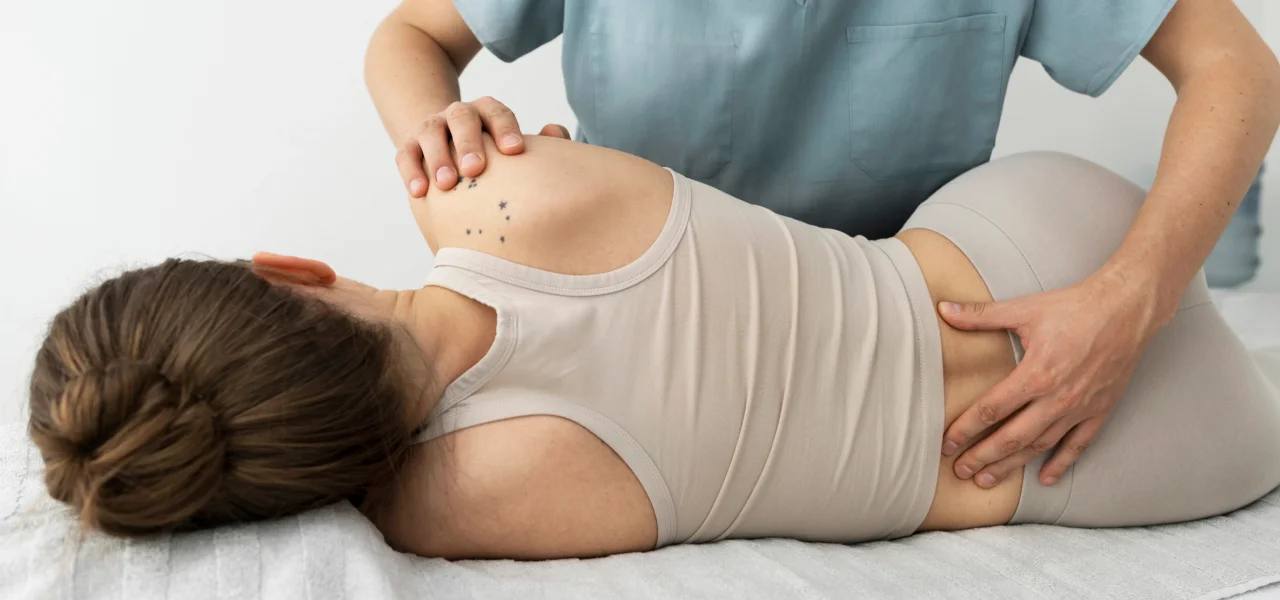
Osteopathy and Structural Integration (SI) are both holistic bodywork approaches that focus on improving the function and movement of the body. While they each have distinct methods and techniques, their combined effects can be incredibly powerful when it comes to improving mobility, flexibility, and overall musculoskeletal health. Both approaches address different aspects of the bodyosteopathy focuses on the body’s structure, alignment, and physiological systems, while Structural Integration targets the fascia and the bodys postural balanceso when used together, they can provide a comprehensive solution for restoring optimal movement and function.
Heres how osteopathy and Structural Integration complement each other in improving mobility:
1. Addressing Structural Alignment and Postural Balance
Osteopathy and Structural Integration both work on improving alignment and postural balance, which are key components of mobility. When the spine, pelvis, or other joints are misaligned, it can restrict movement, cause pain, and lead to muscle tension. Misalignment also places undue strain on the muscles and fascia, leading to stiffness and reduced range of motion.
Osteopathy uses spinal manipulation and joint mobilization techniques to realign the spine and joints, ensuring proper alignment and improving the bodys ability to move freely. Osteopaths also work on soft tissues to release tension and promote better posture, which enhances overall movement and flexibility.
Structural Integration focuses on improving the relationship between the bodys muscles, fascia, and bones. By using myofascial release and deep tissue manipulation, SI targets tight fascia and muscle imbalances, which often contribute to poor posture and restricted movement. SI works to realign the body through deep fascial manipulation, improving overall body posture and supporting long-term mobility.
Together, osteopathy and Structural Integration help to restore optimal alignment and postural balance, reducing strain on the body and improving the ease of movement. Proper alignment and posture allow the body to move more efficiently and without pain, enhancing mobility in both everyday activities and more strenuous physical activities.
2. Releasing Fascia and Reducing Muscle Tension
Fascia, the connective tissue that surrounds and supports muscles and organs, can become restricted due to poor posture, injury, or overuse. This tension in the fascia can limit joint movement and contribute to stiffness and pain. Fascial restrictions often result in tight muscles, limited flexibility, and reduced range of motion.
Structural Integration primarily focuses on releasing fascial tension through targeted manipulation of the fascia. By addressing these restrictions, SI improves flexibility, restores the proper movement of muscles and joints, and reduces pain and discomfort. Releasing tight fascia also helps to improve the bodys overall range of motion and movement efficiency.
Osteopathy, on the other hand, works to reduce muscle tension through techniques like muscle energy techniques, soft tissue manipulation, and myofascial release. These methods help to loosen tight muscles and restore normal muscle function, allowing for greater flexibility and mobility.
Together, osteopathy and Structural Integration work synergistically to reduce fascial and muscle tension, thereby improving flexibility, joint mobility, and overall body movement. By addressing both the fascial and muscular systems, these therapies work together to increase the body’s range of motion and movement fluidity, leading to improved mobility.
3. Enhancing Circulation and Tissue Health
Proper circulation is essential for maintaining healthy tissue and promoting healing. Restricted movement due to poor posture, muscle tension, or fascial adhesions can impede circulation, slowing down recovery and reducing mobility. Both osteopathy and Structural Integration improve circulation and promote the health of tissues.
Osteopathy enhances circulation by mobilizing joints, releasing soft tissue restrictions, and improving lymphatic flow. Increased blood flow to the muscles and joints provides nutrients and oxygen, which support tissue health and help the body recover more efficiently. This promotes healing in injured tissues and improves the overall function of muscles and joints, contributing to better mobility.
Structural Integration improves circulation by releasing fascial restrictions, allowing better blood flow to the muscles and joints. As fascial adhesions are broken down, blood flow increases, promoting faster tissue repair and enhancing the flexibility and function of the affected areas.
The combination of osteopathy and Structural Integration enhances circulation throughout the body, reducing inflammation, promoting healing, and improving the health of tissues that support movement. This circulatory improvement accelerates the recovery process, reduces stiffness, and enhances overall mobility.
4. Restoring Functional Movement Patterns
Inefficient movement patterns, often caused by misalignment, muscle imbalances, or tension in the body, can limit mobility and lead to discomfort or injury. Both osteopathy and Structural Integration focus on restoring functional movement by addressing the root causes of inefficient movement.
Osteopathy works to improve functional movement by addressing joint restrictions, muscle imbalances, and postural misalignments. Osteopaths help patients learn how to move more efficiently, with proper alignment, which reduces the risk of strain or injury and enhances mobility.
Structural Integration takes a more targeted approach to functional movement by addressing the fascial system and how it relates to the bodys overall structure. By improving the alignment and function of the fascia, SI helps restore the bodys ability to move more fluidly and with greater ease, reducing strain on the joints and muscles during movement.
Together, osteopathy and Structural Integration help retrain the bodys movement patterns, ensuring that it moves more efficiently, with less strain on the muscles and joints. By improving movement efficiency, these therapies enhance mobility and reduce the likelihood of pain or injury during physical activities.
5. Supporting Long-Term Mobility and Injury Prevention
While both osteopathy and Structural Integration can provide relief from pain and stiffness, they are also focused on preventing future mobility issues. By addressing the root causes of poor posture, misalignment, and muscle imbalances, these therapies help prevent future injuries and long-term dysfunction.
Osteopathy focuses on the bodys overall alignment and how the musculoskeletal system works as a cohesive unit. By maintaining proper spinal and joint alignment, osteopathy helps reduce the risk of developing chronic pain or postural issues that can impair mobility in the future.
Structural Integration works to improve the bodys flexibility, balance, and posture over the long term, ensuring that the fascia and muscles are functioning efficiently and in harmony. By improving the bodys structure and movement patterns, SI supports long-term mobility and helps prevent the recurrence of pain or injury.
Together, osteopathy and Structural Integration help individuals maintain long-term mobility and prevent future injuries by improving posture, alignment, and movement efficiency. Regular treatments can keep the body balanced and resilient, ensuring that mobility remains optimal as the body ages or engages in physical activity.
Conclusion: A Comprehensive Approach to Mobility
Osteopathy and Structural Integration, when combined, provide a comprehensive approach to improving mobility, flexibility, and overall body function. While osteopathy focuses on aligning the bodys structure and improving circulation, Structural Integration targets the fascia to release restrictions, improve posture, and restore movement patterns. Together, these therapies address the musculoskeletal system as a whole, helping the body move more efficiently, reduce pain, and prevent future injuries.