How Osteopathy Enhances Joint Function and Prevents Injury explores targeted strategies for recovery. Discover new paths to mobility, healing, and personalized care.

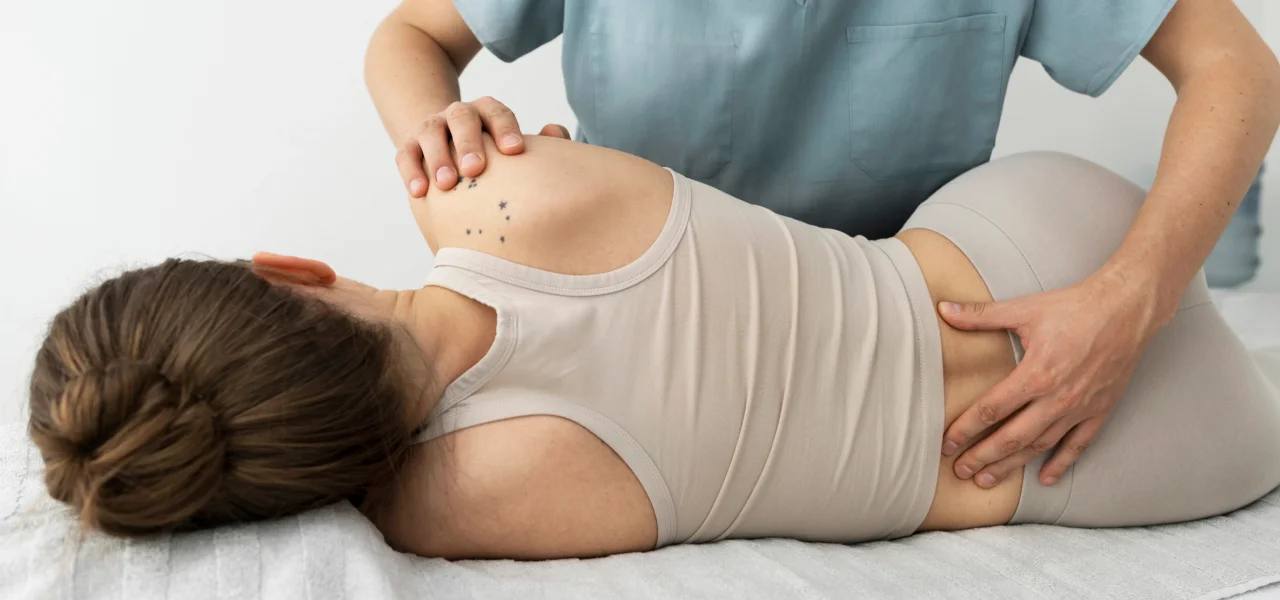
Osteopathy is a holistic form of healthcare that focuses on the bodys musculoskeletal systemparticularly the muscles, joints, and bonesto maintain and restore health. One of the primary goals of osteopathic treatment is to improve joint function and prevent injury by addressing imbalances, misalignments, and dysfunctions within the musculoskeletal system. Through hands-on techniques such as manipulation, mobilization, and soft tissue therapy, osteopaths work to improve joint mobility, reduce pain, and enhance overall body function, helping to prevent injury in the long term.
Heres how osteopathy helps enhance joint function and prevent injury:
1. Restoring Proper Joint Alignment
Proper alignment of the joints is crucial for efficient movement and preventing injury. Misalignments in the joints, whether due to poor posture, injury, or repetitive strain, can result in discomfort, stiffness, and an increased risk of injury. Osteopathy works to restore joint alignment and improve the mechanics of movement.
Joint mobilization is a technique used to restore the natural range of motion and flexibility to stiff or restricted joints. By gently applying controlled pressure, osteopaths help the joints move more freely, reducing stiffness and promoting better function.
Spinal manipulation is used to correct misalignments in the spine, which can affect the function of the surrounding joints. Restoring proper spinal alignment ensures that the body moves efficiently and reduces strain on muscles and joints, preventing injury.
By restoring joint alignment, osteopathy helps ensure that the joints function optimally, reducing the risk of injury caused by improper movement patterns or imbalances.
2. Improving Joint Mobility and Flexibility
Joint stiffness and limited range of motion are common causes of discomfort and injury. Osteopathy helps improve joint mobility and flexibility, which are key components of maintaining joint health and preventing injury.
Soft tissue therapy techniques, such as myofascial release, are used to reduce tension and increase flexibility in the muscles and fascia surrounding the joints. This helps reduce the risk of muscle strain and joint discomfort, promoting smoother and more efficient movement.
Joint mobilization also improves the range of motion in restricted joints, particularly in the hips, knees, shoulders, and spine. By restoring mobility, osteopathy ensures that the joints can move freely and efficiently without strain.
Improved joint mobility and flexibility help the body move more fluidly, reducing the likelihood of joint injury and improving overall function.
3. Enhancing Circulation to Support Joint Health
Proper circulation is essential for the health of the joints, as it ensures that tissues surrounding the joints receive the nutrients and oxygen needed for healing and function. Osteopathy helps enhance circulation by promoting movement in the joints and soft tissues.
Manual techniques, such as lymphatic drainage and myofascial release, improve blood flow to the joints and surrounding tissues. This supports tissue repair, reduces inflammation, and helps maintain healthy joint function.
Joint mobilization techniques also stimulate blood flow to the affected joints, reducing stiffness and promoting better nutrient delivery to the tissues, which is essential for long-term joint health.
By enhancing circulation, osteopathy supports joint health and ensures that the body has the necessary resources for joint maintenance and recovery.
4. Balancing Muscle Function and Preventing Strain
Muscle imbalances can contribute to joint dysfunction and increase the risk of injury. When some muscles become overactive or tight while others are weak or underactive, it can lead to poor posture, restricted movement, and joint strain. Osteopathy works to balance muscle function by releasing tight muscles and activating weaker ones.
Muscle energy techniques are used to stretch tight muscles and strengthen underactive muscles. By restoring balance in the muscles, osteopathy reduces strain on the joints and helps prevent injuries caused by overuse or imbalance.
Postural education is also an important part of osteopathic treatment. Osteopaths teach individuals how to maintain proper alignment and use correct body mechanics during daily activities, reducing the risk of muscle strain and joint injury.
By balancing muscle function, osteopathy ensures that muscles work efficiently to support the joints, reducing the risk of injury and promoting joint stability.
5. Promoting Postural Health for Joint Protection
Good posture is essential for maintaining joint health. Poor posture can lead to misalignments in the spine and joints, increasing the strain on muscles and ligaments, and contributing to pain and injury. Osteopathy helps improve posture, which plays a crucial role in protecting the joints from stress and strain.
Spinal manipulation and pelvic realignment are techniques used in osteopathy to restore natural spinal curves and correct postural imbalances. This helps ensure that the body remains properly aligned and reduces stress on the joints.
Postural education helps individuals develop better habits and maintain proper alignment throughout daily activities, such as sitting, standing, and lifting. This reduces the risk of strain and injury caused by poor posture.
By improving posture, osteopathy helps protect the joints, ensuring that they remain aligned and properly supported, which reduces the likelihood of joint injury and strain.
6. Addressing Soft Tissue Restrictions to Improve Joint Function
The fasciathe connective tissue that surrounds and supports muscles, bones, and jointsplays a key role in joint mobility and function. When the fascia becomes restricted or tight, it can limit joint movement and contribute to pain. Osteopathy addresses fascial restrictions to improve joint function and prevent discomfort.
Myofascial release techniques in osteopathy target tight or restricted fascia, applying gentle, sustained pressure to release tension and improve the flexibility of the soft tissues. This helps restore normal movement patterns and reduces strain on the joints.
Deep tissue therapy is used to release tight fascia and muscle tissue, which improves the elasticity of the muscles and ligaments surrounding the joints. This promotes better joint mobility and function, reducing the risk of injury.
By releasing fascial restrictions, osteopathy improves joint function and ensures that the body moves more efficiently, reducing the risk of pain and injury.
7. Preventing Future Injury and Supporting Long-Term Joint Health
Osteopathy is not only about addressing existing pain but also about preventing future injury and supporting long-term joint health. Through regular treatments, osteopaths can maintain proper alignment, balance muscle function, and prevent misalignments or tension from developing into chronic issues.
Ongoing osteopathic care helps individuals maintain optimal joint function, ensuring that the body moves efficiently and without strain. This reduces the risk of joint wear and tear, arthritis, or other long-term degenerative conditions.
Movement retraining and postural education provided by osteopaths help individuals develop healthier movement habits that reduce stress on the joints and prevent future injury.
By focusing on prevention and maintenance, osteopathy supports long-term joint health and ensures that individuals remain injury-free and active.
8. Enhancing Overall Function and Quality of Life
Ultimately, osteopathy helps improve the overall function of the body by ensuring that the joints, muscles, and soft tissues work harmoniously together. This leads to greater movement efficiency, improved flexibility, and a reduced risk of injury.
Functional exercises and postural correction taught in osteopathy improve body mechanics, ensuring that the joints move in their full range of motion without excess strain.
Joint mobilization and muscle balancing enhance flexibility and support, allowing individuals to remain active, perform physical tasks without discomfort, and enjoy a higher quality of life.
By enhancing overall function and joint health, osteopathy helps individuals maintain optimal joint function, supporting a more active and pain-free lifestyle.
Conclusion: Osteopathy for Joint Function and Injury Prevention
Osteopathy offers a comprehensive approach to improving joint function and preventing injury by focusing on the alignment of the spine, muscles, and joints. Through techniques such as joint mobilization, myofascial release, spinal manipulation, and postural education, osteopathy helps restore joint mobility, reduce tension, balance muscle function, and improve overall movement patterns. These treatments not only relieve existing pain but also prevent future injuries, promoting long-term joint health and reducing the risk of degenerative conditions.